May 16, 2026
Avoid These Common Pitfalls When Using Image Generators for Stunning Results
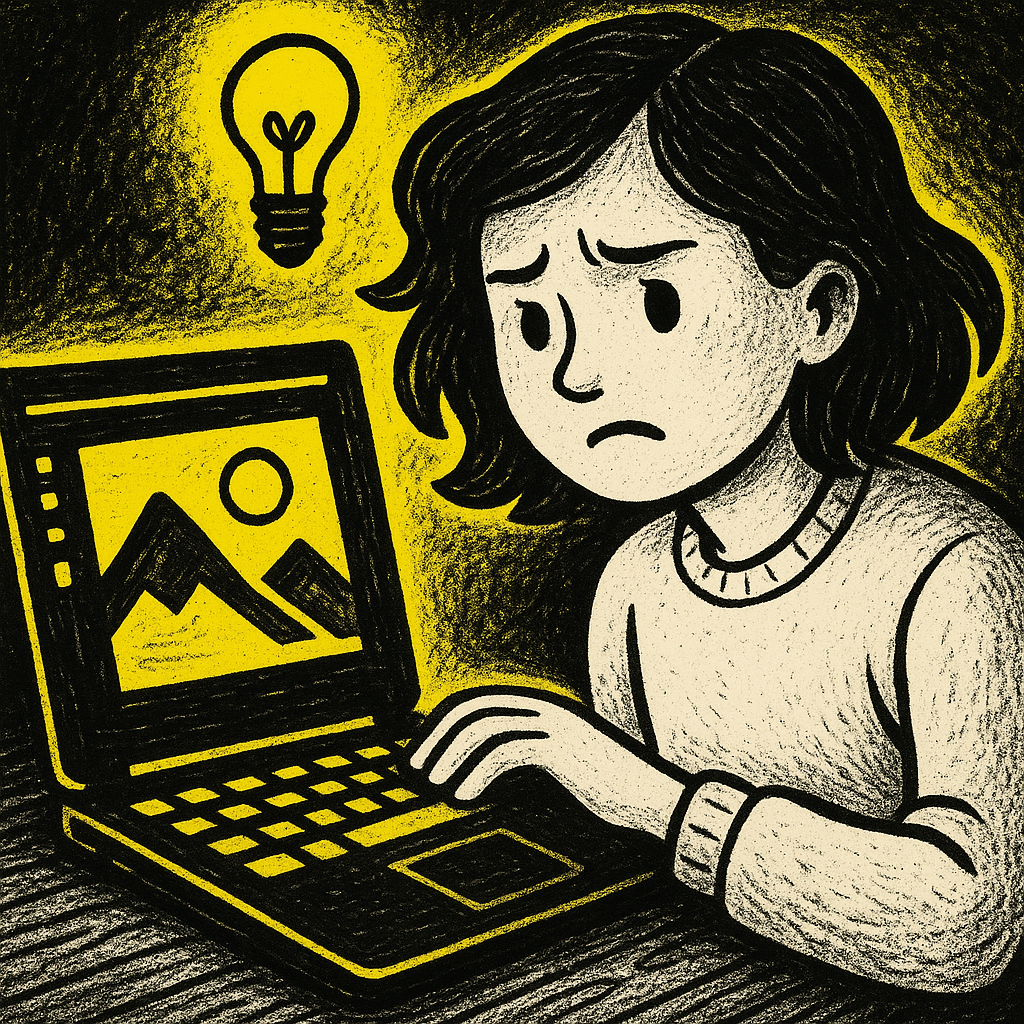
Image Generators
In the rapidly evolving realm of technology, image generators have emerged as transformative tools that leverage artificial intelligence to create visual content. Artists, marketers, and hobbyists are increasingly utilizing these platforms to produce imagery ranging from simple graphics to complex illustrations. However, while the potential of these tools is vast, users can easily fall into common pitfalls that undermine their creative efforts. This article explores the prevalent mistakes made with image generators and offers guidance on how to sidestep these issues.
Understanding Image Generators
Image generators use algorithms and neural networks trained on massive datasets to synthesize images based on user inputs. These inputs could be textual descriptions, existing images, or even stylistic references, allowing users to generate personalized artwork or visuals tailored for specific needs. Despite their sophisticated capabilities, many users encounter challenges that hinder their creative expressions.
Common Mistakes in Using Image Generators
1. Poorly Defined Prompts
A fundamental mistake many users make is providing vague or insufficient prompts. The quality of output from an image generator largely depends on the input provided. If a user simply types "cat," the result may not align with their vision. Instead, a more detailed prompt such as "a fluffy Persian cat lounging in a sunbeam" will yield a more accurate representation.
To avoid this mistake, it’s crucial to craft clear and descriptive prompts that include specifics about colors, settings, moods, and styles. Think about the elements you want to capture and communicate them effectively.
2. Ignoring Styles and Formats
Another pitfall is neglecting the significance of artistic styles or formats available within the generator platform. Many users fail to specify whether they want a realistic depiction or a stylized interpretation (like cubism or impressionism). This oversight can lead to dissatisfaction with results when they don't match expectations.
Before generating an image, familiarize yourself with any available style options in your chosen tool. Specify preferences within your prompts—for instance: “inspired by Van Gogh” or “as a digital painting.” Understanding the capabilities of your image generator will greatly enhance the outcomes.
3. Over-reliance on AI
The allure of AI-generated artwork can sometimes lead creators to rely too heavily on technology without infusing their personal touch. While image generators can efficiently create visuals quickly and with minimal effort, over-dependence can stifle creativity and originality.
Avoid this by using generated images as starting points rather than final products. Consider combining AI-generated images with your modifications through graphic design software, thereby creating unique works that reflect your individual style.
Navigating Output Limitations

The outputs generated by AI are not flawless; they often contain unexpected artifacts or inaccuracies due to limitations in training data or algorithm biases. Users may find themselves disappointed if they expect perfection from these outputs without recognizing inherent limitations.
A good practice is to review multiple outputs for each prompt instead of settling for the first result. Most generators produce variations so that you can select one closer to what you envisioned while acknowledging that some post-editing may still be necessary.
Coping with Copyright Issues
The legal landscape surrounding AI-created content is still developing; hence copyright concerns are increasingly relevant for users of image generators. Some may inadvertently use copyrighted elements in their compositions without realizing it—leading not just to ethical dilemmas but also potential legal repercussions.
To mitigate this risk, always check usage rights associated with generated images before applying them publicly or commercially. Some platforms offer licensing options that allow you greater freedom while respecting intellectual property rights—be sure you understand these terms thoroughly before integrating generated images into your projects.
Tips for Effective Use of Image Generators
- Dive Deep into Settings: Explore advanced settings within the tool; many platforms allow adjustments like resolution or color palettes which can greatly affect final output quality.
- Create Iterative Prompts: Build on previous prompts by tweaking wording based on what works best—use feedback loops from prior attempts for improvement!
- Cultivate Community Knowledge: Engage with communities online where users share insights regarding effective prompts and techniques; platforms such as forums dedicated specifically to digital art can provide valuable peer feedback!
- Document Your Process: Keep records of successful prompts alongside their outcomes; building a library encourages experimentation while helping refine future creations through trial-and-error learning methods!
A Final Word on Creativity
No matter how advanced an image generator becomes, it should serve as an extension of human creativity rather than replacing it entirely. A successful balance lies in blending technology's efficiency with personal artistry—a harmonious integration facilitates innovative expression across various mediums!
The journey into utilizing image generators presents immense opportunities but comes full circle back toward understanding oneself as a creator enthusiastically pursuing imaginative endeavors! By recognizing common mistakes associated with using these tools—and actively working against them—you unlock an inspiring pathway forward filled with limitless artistic possibilities! Whether crafting marketing materials or simply exploring creative outlets beyond traditional methods—embracing both AI assistance while retaining individuality enhances every creation born from digital innovation!
Recent Posts
Breakthrough in Neural Networks: How New AI Models Revolutionize Global Tech
June 16, 2026
Head-to-Head: Comparing Neural Network Models and Their Impact on AI Work Today
June 16, 2026
New Breakthrough in Image Generators Promises to Revolutionize Artistic Expressi...
June 16, 2026

Maximum Potential
Get the full experience with Pro Plan
INFORMATION