травень 23, 2026
Busting Myths: The Surprising Truth Behind Image Generators and Their Impact
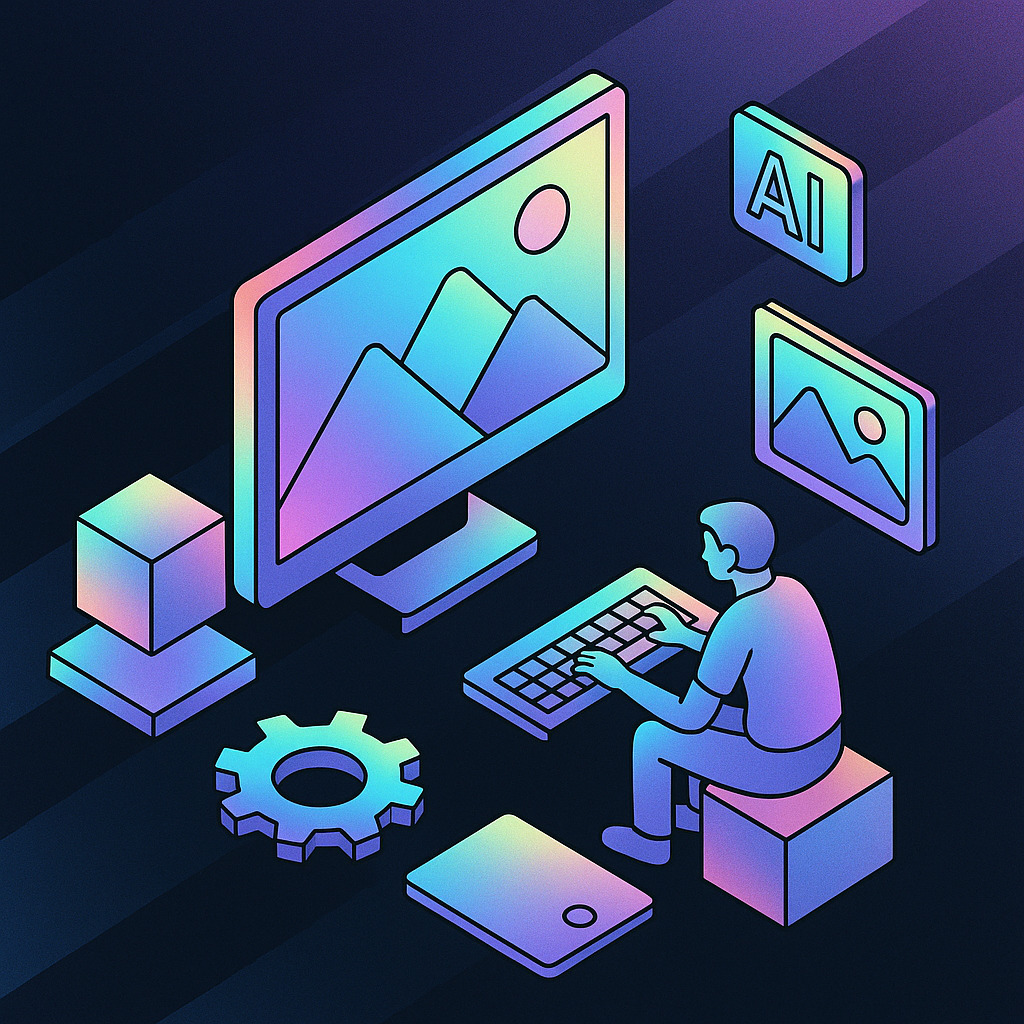
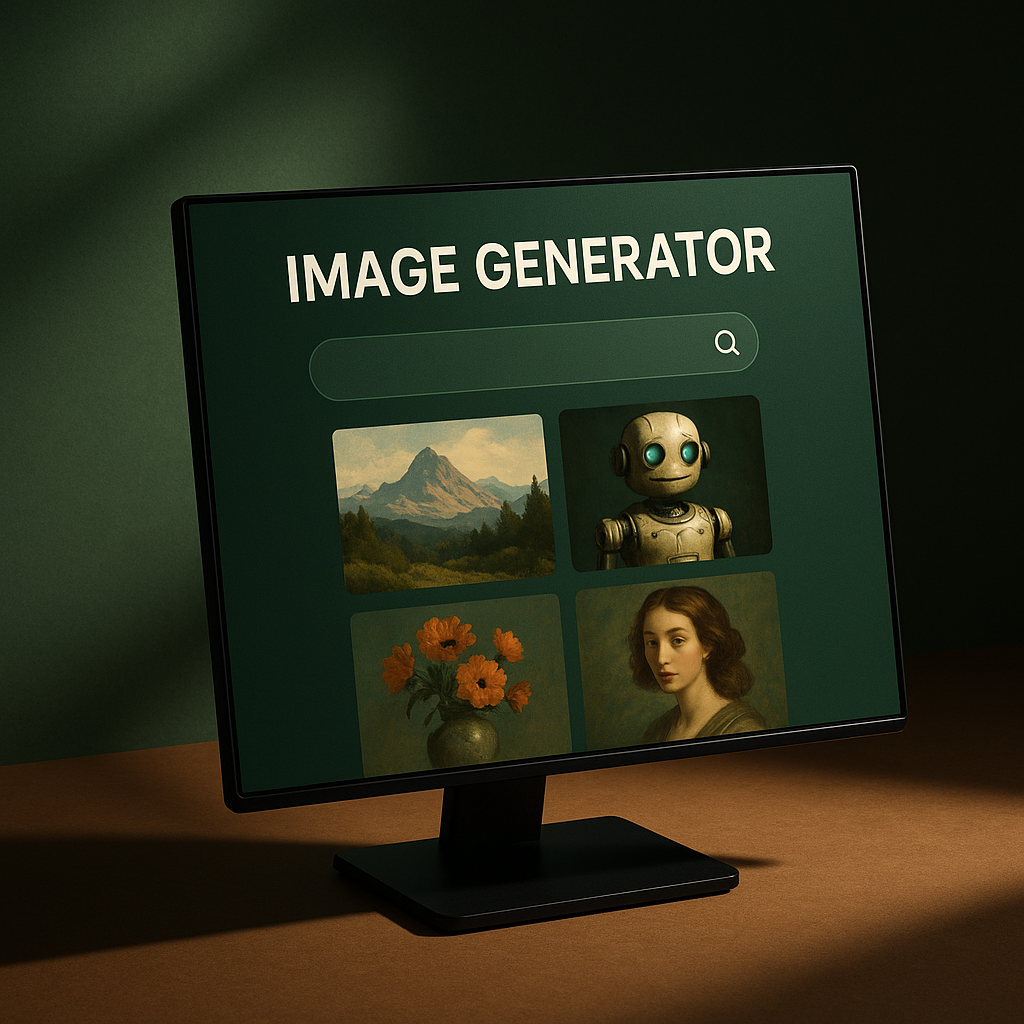
Image Generators
As artificial intelligence continues to permeate various aspects of our lives, image generators have surged in popularity, captivating artists, marketers, and everyday users alike. However, with this progress has come a plethora of myths and misconceptions. This article aims to demystify these tools by addressing common myths and presenting the reality of what image generators can and cannot do.
Myth 1: Image Generators Can Replace Human Artists
One of the most pervasive myths is that image generators will eventually replace human artists. While these tools offer impressive capabilities for creating visual content quickly, they still lack the emotional depth, creativity, and nuanced understanding that a human artist brings to their work. For instance, an artist might create a piece reflecting personal experiences or societal critiques—elements that are inherently subjective and challenging for an algorithm to replicate.
Furthermore, image generation is often considered an extension rather than a replacement of artistic abilities. Many artists utilise these technologies as innovative tools to enhance their creative process rather than as substitutes for their own craftsmanship. The collaborative potential between human creativity and AI-generated output remains untapped in numerous sectors.
Myth 2: All Image Generators Are the Same
An emerging misconception is that all image generators function identically. In reality, there are diverse types of image-generating algorithms that vary based on architecture, training data, and intended use cases. For example, some systems excel at generating photorealistic images while others might focus on abstract forms or unique styles inspired by renowned artists.
Popular models like DALL-E from OpenAI focus on creating images from textual descriptions, whereas others like StyleGAN are designed for generating high-fidelity images through style transfer techniques. Each model serves different user needs—while one may be more suited for commercial art purposes, another might cater to experimental art projects.
Myth 3: AI-Generated Images Are Always Perfect
A significant misconception is that images produced by AI are flawless or devoid of errors. In practice, while advanced algorithms can generate remarkably detailed visuals, they are not infallible. Users often encounter inconsistencies such as odd distortions in limbs or features when using AI-generated imagery without proper guidance or input adjustments.
Moreover, imperfections can arise due to limitations in training datasets; if certain objects or concepts are underrepresented during this phase, the generator might struggle to create accurate representations of them. As a result, users must approach AI-generated images with a critical eye and be prepared for post-processing adjustments.
The Reality Check: Understanding Limitations
While tackling these myths is essential for appreciating the potential of image generators fully, it’s equally crucial to understand their limitations:
- Dependence on Data: The quality and diversity of training data heavily influence output quality. Without suitable datasets representing various subjects accurately and comprehensively, generated images may miss desired attributes.
- Lack of Intentionality: Unlike humans who create with intent and purpose based on personal experiences or cultural context, AI lacks genuine intent behind its creations—it generates outputs based purely on patterns learned from its training data.
- Cultural Sensitivity Issues: AI systems can inadvertently perpetuate biases present within their training sets. This can lead to outputs that may reinforce stereotypes or exclude certain groups unintentionally.
The Creative Collaboration
The synergy between human creativity and machine learning stands out as one of the most promising aspects of image generation technology. Artists are now using these platforms for inspiration generation—experimenting with different styles before finalising their work traditionally. This collaborative dynamic opens new avenues for artistic expression while simultaneously allowing technology developers to gain insights into user preferences uncharted by conventional methods.
A Q&A Perspective
Q: How do I choose the right image generator?
A: Consider your needs first! If you seek realistic portraits or landscapes, look for dedicated photorealistic models like Midjourney; if you're interested in abstract art styles influenced by existing artwork trends or movements—models built around style transfer could be your go-to option!
Q: What ethical considerations should I keep in mind?
A: Always check licensing agreements associated with generated content—some platforms require attribution while others may restrict commercial use! Additionally, remain vigilant about potential biases when using datasets; ethical implications arise when deploying generative content without due diligence regarding representation issues.
Q: Can I improve generated outputs?
A: Absolutely! Experimentation plays a vital role in refining results—the more specific you can be regarding prompts (if applicable) during generation processes increases chances that outcomes align closely with your vision!
The world of image generators remains both intriguing and complex—a fusion between creativity-driven motives alongside disruptive technological advancements reshaping how we perceive artistry today! Through myth-busting efforts coupled with practical realism surrounding these innovations' capabilities at hand ensures all users make well-informed decisions whilst embracing future possibilities ahead!
Recent Posts
Head-to-Head: Comparing Top AI Models in Работа с Нейросетями and Their Impact
червень 16, 2026
Debunking Myths: The Realities of Работа с Нейросетями and AI Models Today
червень 16, 2026
Unlocking Creativity: A Simple Guide to Using Image Generators for Beginners
червень 16, 2026

Maximum Potential
Отримайте повний досвід із планом Pro
ІНФОРМАЦІЯ