червень 10, 2026
Debate Sparks as Image Generators Raise Ethical Questions in the Creative Sphere
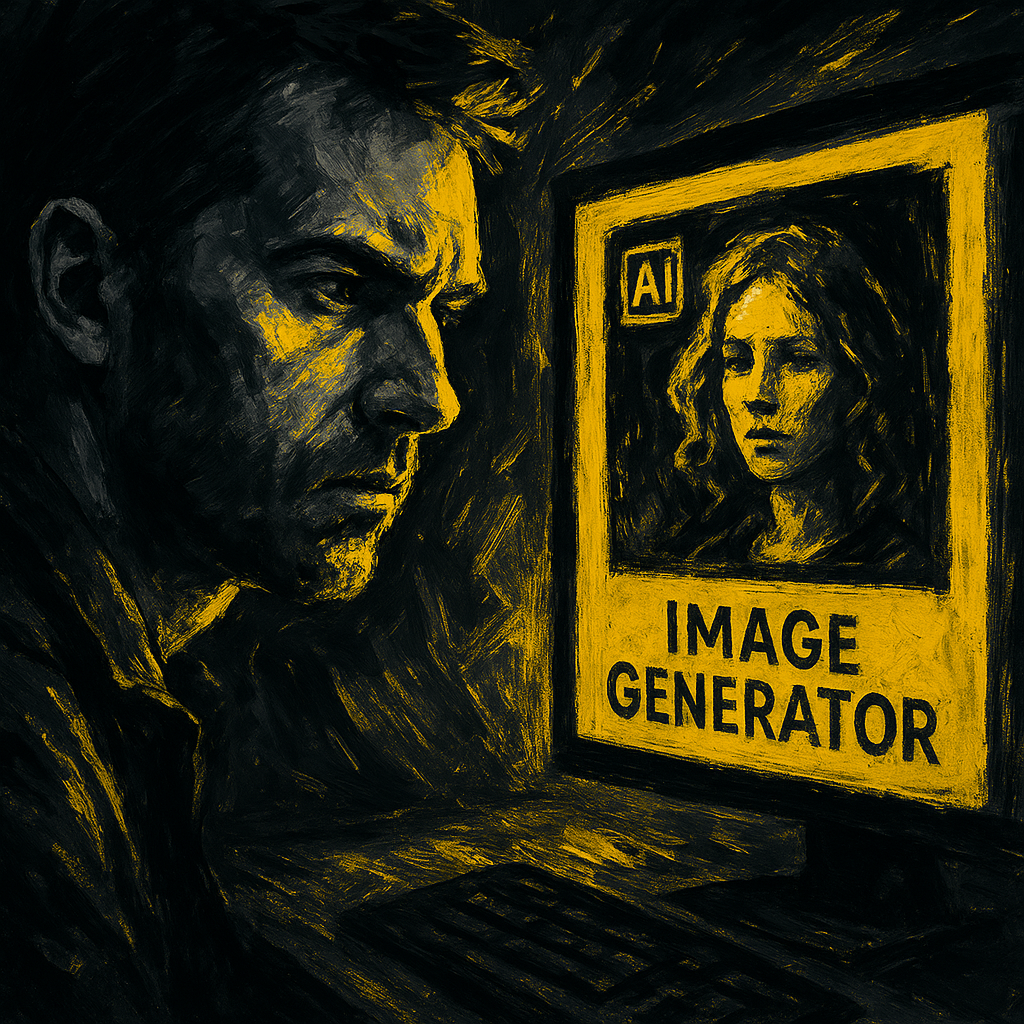
Image Generators
The rise of image generators powered by artificial intelligence (AI) has sparked a significant wave of controversy in the art and technology communities. While these tools have opened up new avenues for creativity, they also raise important questions regarding copyright, authorship, and the future of artistic expression. This article will explore the arguments from both sides of the debate, shedding light on the benefits and drawbacks of this rapidly evolving technology.
The Rise of AI Image Generators
In recent years, AI image generators have gained immense popularity. Tools such as DALL-E, Midjourney, and Stable Diffusion allow users to create visually striking images from simple text prompts. These advancements in machine learning have made it possible for anyone with an internet connection to produce artwork that once required years of training and expertise.
Proponents laud the accessibility of these technologies. The ability to generate high-quality images without formal artistic training empowers individuals to express themselves creatively. Artists can use AI to enhance their work, generating inspiration or even incorporating AI-generated elements into traditional pieces. Moreover, businesses leverage these tools for marketing materials and content creation, streamlining operations in ways previously unimaginable.
Arguments For AI Image Generators
- Democratisation of Art: One of the most compelling arguments in favour of AI image generators is their potential to democratise art. By lowering barriers to entry, these tools enable anyone—regardless of skill level—to engage in creative pursuits.
- Augmentation Not Replacement: Supporters assert that these tools should be viewed as augmentative rather than replacement technologies. Many artists utilise them as a means to enhance their productivity or spark creativity rather than completely replace traditional methods.
- Innovation and Collaboration: The integration of AI into art fosters new forms of collaboration between human creators and machines. This fusion can lead to innovative artistic expressions that were previously unattainable.
- Cultural Reflection: AI-generated art frequently reflects contemporary culture by remixing visual elements from various styles and eras, offering commentary on social trends in an accessible format.
The Counterarguments
Despite the enthusiasm surrounding AI image generators, a significant backlash exists among artists, critics, and legal experts who raise several concerns about the implications of this technology.
- Copyright Infringement: One major concern revolves around copyright issues. Critics argue that many image generators are trained on vast datasets that include copyrighted artworks without proper consent from the original creators. This practice raises questions about ownership rights and fair use.
- Dilution of Artistic Value: Some artists feel threatened by the emergence of AI-generated images, fearing that their work may be devalued in a marketplace flooded with cheap or free alternatives produced by algorithms rather than human creativity.
- Lack of Authenticity: Detractors argue that while AI can mimic styles and techniques, it lacks genuine emotion or intention behind its creations. They contend that true art requires a human touch—a depth rooted in personal experiences that machines cannot replicate.
- The Future Employment Landscape: As businesses turn to AI for graphic design and content creation, there are fears about job displacement within the creative industries. Critics warn that reliance on technology could undermine opportunities for skilled artists seeking employment.
The Legal Landscape
An increasingly important aspect of this debate is the legal framework surrounding intellectual property rights as it pertains to AI-generated content. Currently, laws governing copyright are struggling to keep pace with technological advancements. In many jurisdictions worldwide, original artworks created by humans are protected under copyright law; however, whether works generated by an algorithm can receive similar protection remains murky territory.
This ambiguity has led some nations to explore new legislation specifically addressing challenges posed by AI technologies. For instance, proposals have been made to establish clearer guidelines defining authorship when content is generated through machine learning algorithms. Nevertheless, widespread consensus remains elusive—lawmakers grapple with balancing innovation against protecting creators’ rights.
A Compromise Position?
The controversies surrounding image generators do not necessarily mean that a resolution is impossible. A growing number of voices advocate for compromise solutions aimed at addressing both concerns about authenticity and safeguarding creator rights while embracing technological advancements.
- Transparency Requirements: Implementing regulations demanding transparency concerning datasets used for training models could help ensure creators retain more control over how their work is represented within generated outputs.
- Acknowledgement Systems: It may be beneficial for platforms hosting or utilising AI-generated works to adopt systems recognising human artists whose styles influence those outputs—potentially fostering collaboration instead of competition.
- Hybrid Models:A combination approach where artists collaborate with AI systems might offer a fruitful path forward—creating works that draw upon human insight while benefiting from machine capabilities.
The Road Ahead
The debate over image generators continues to evolve as technology advances at breakneck speed. It highlights fundamental issues concerning creative ownership in an increasingly digital landscape where traditional definitions may no longer apply. As both sides present compelling arguments—one championing accessibility and innovation while another defends copyright integrity—the dialogue surrounding this topic will undoubtedly shape our understanding—and practice—of art moving forward.
Ultimately, ongoing engagement among stakeholders—including artists, technologists, policymakers—and society at large will be essential in navigating ethical dilemmas posed by emerging technologies such as image generators successfully. Only through constructive discourse can we harness their potential while safeguarding the values integral to artistic expression itself.
Recent Posts
Recent Milestones in Работа с Нейросетями: Key Новости Мира Нейросетей Unveiled
червень 10, 2026
Avoiding Common Mistakes in Работа с Нейросетями: Your Guide to AI Models Succes...
червень 10, 2026
Maximising Your Investment: Evaluating the True ROI of Image Generators
червень 10, 2026
Maximum Potential
Отримайте повний досвід із планом Pro
ІНФОРМАЦІЯ