березень 4, 2026
Discover the Future of Creativity: How Image Generators Are Transforming Art
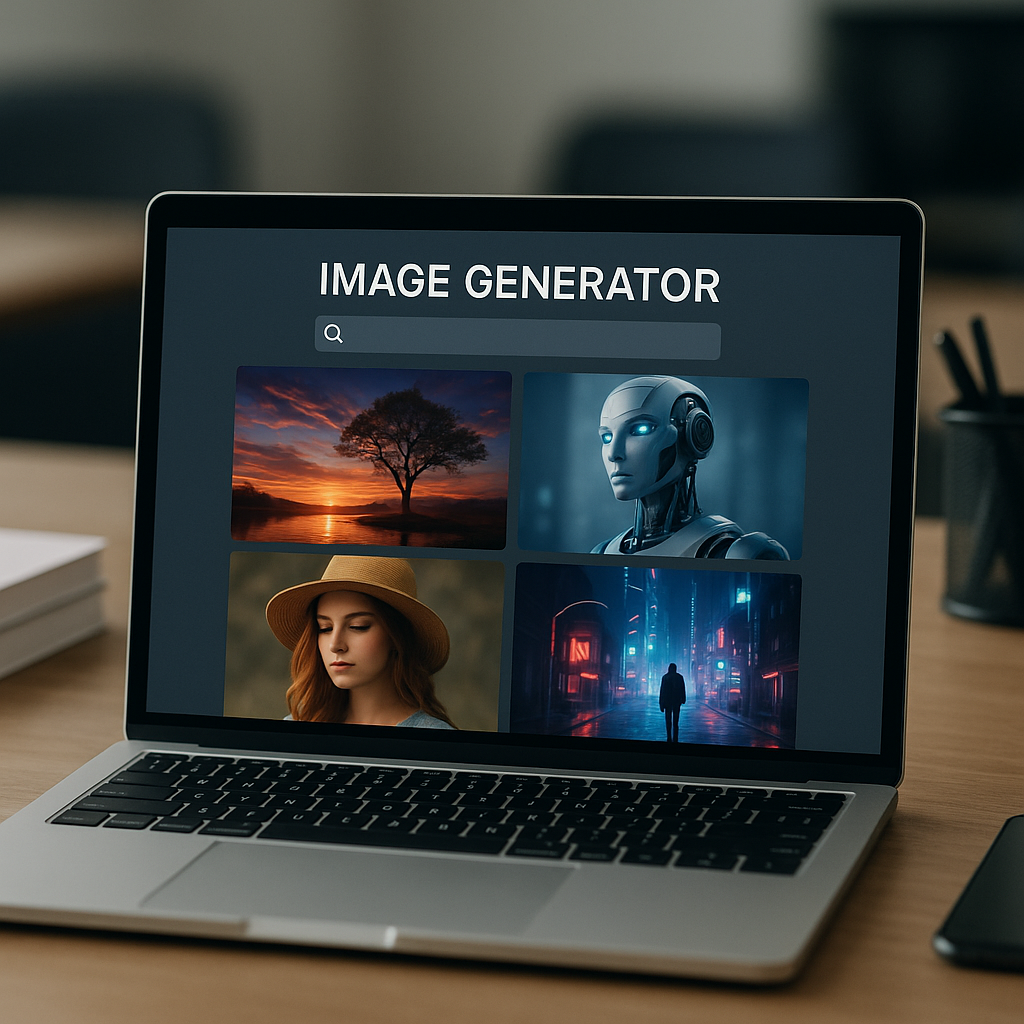
Image Generators
The rapid advancement of technology has sparked a revolution in various industries, and one of the most captivating developments in recent years has been the rise of image generators powered by artificial intelligence (AI). These sophisticated tools are reshaping the way we create and consume visual content, enabling users to generate stunning images from textual descriptions in a matter of seconds. From artists and designers to marketers and educators, image generators are finding applications across diverse fields, fundamentally altering the landscape of creativity and communication.
At the core of image generator technology lies deep learning, a subset of machine learning that employs neural networks to process vast amounts of data. The most popular image generators, such as DALL-E 2, Midjourney, and Stable Diffusion, utilise a technique known as diffusion models. This approach involves training the AI on extensive datasets of images and their corresponding text descriptions, allowing it to learn how to create new images that accurately reflect given prompts. The results can be astonishing, with some generators producing artwork that rivals human creativity.
One of the most significant breakthroughs in this field is DALL-E 2, developed by OpenAI. This model can generate high-quality images based on specific textual inputs, producing a wide range of styles and subjects. For instance, users can type in phrases like "a cat wearing a space suit" or "a futuristic cityscape at sunset," and DALL-E 2 will create unique images that encapsulate these concepts. Its ability to understand context, nuance, and artistic style sets it apart from earlier generations of image synthesis technology.
Midjourney is another noteworthy player in the image generation arena, known for its focus on artistic expression. It allows users to create images that are not only visually appealing but also convey emotions and narratives. The platform has garnered a dedicated community of artists and creators who use it as a tool for inspiration and collaboration. Users often share their generated images on social media platforms, leading to a vibrant exchange of ideas and artistic styles that further enrich the creative process.
Stable Diffusion, an open-source alternative, has gained popularity for its accessibility and flexibility. Users can run the model on their own hardware, giving them greater control over the image generation process. This openness has fostered a collaborative environment where developers and artists can tweak and enhance the model according to their specific needs. The ability to fine-tune parameters and experiment with different approaches has led to a surge in innovative applications, from generating marketing materials to creating unique artwork for personal projects.
Despite the excitement surrounding these technologies, the rise of image generators also raises important ethical questions. One major concern is the potential for misuse. The ease with which one can create realistic images could lead to the generation of misleading or harmful content, such as deepfakes or propaganda. As these tools become more powerful, the responsibility to ensure their ethical use lies with both developers and users. OpenAI, for example, has implemented guidelines to prevent DALL-E 2 from being used for malicious purposes, though enforcement remains a challenge in an increasingly digital world.
Moreover, the rise of AI-generated images has sparked debates about intellectual property rights. Traditional artists and designers worry that their work could be appropriated by AI models trained on vast datasets that include copyrighted material. As image generators become more prevalent, the question of ownership and the definition of creativity will likely become more complex. Legal frameworks will need to evolve to address these challenges, ensuring that both human creators and AI technologies can coexist without infringing on each other's rights.
Another aspect to consider is the impact on employment within creative industries. While some view AI image generators as tools that augment human creativity, others fear that they could replace traditional jobs in fields like graphic design, illustration, and advertising. However, many experts believe that rather than eliminating jobs, these technologies will transform them, allowing artists and designers to focus on higher-level creative tasks while automating repetitive or time-consuming processes. This shift could lead to a new era of collaboration between humans and machines, where each complements the other's strengths.
Education is another area poised for transformation through the use of image generators. In classrooms, teachers can utilise these tools to create engaging visual content for lessons, making complex subjects more accessible and stimulating for students. Additionally, students can harness image generation to express their ideas creatively, providing a platform for self-expression and innovation. As these technologies become more integrated into educational settings, they will likely inspire a new generation of creators who are comfortable working alongside AI.
As image generators continue to evolve, the implications for society at large are profound. They challenge our understanding of creativity and authorship while offering new ways to express ideas and emotions. The landscape of visual content creation is changing rapidly, and those who embrace these technologies stand to benefit significantly. However, it is crucial to navigate the ethical and legal landscape carefully to ensure that the benefits of image generation can be enjoyed without compromising the rights and livelihoods of human creators.
In conclusion, image generators represent a remarkable fusion of technology and creativity that is reshaping various industries. As we move forward, the dialogue surrounding their ethical use, intellectual property rights, and the future of work in creative fields will be paramount. By fostering a collaborative environment between AI and human creators, we can unlock endless possibilities and redefine what it means to create in the digital age.
Recent Posts
Head-to-Head: Comparing Top AI Models in Работа с Нейросетями and Their Impact
червень 16, 2026
Debunking Myths: The Realities of Работа с Нейросетями and AI Models Today
червень 16, 2026
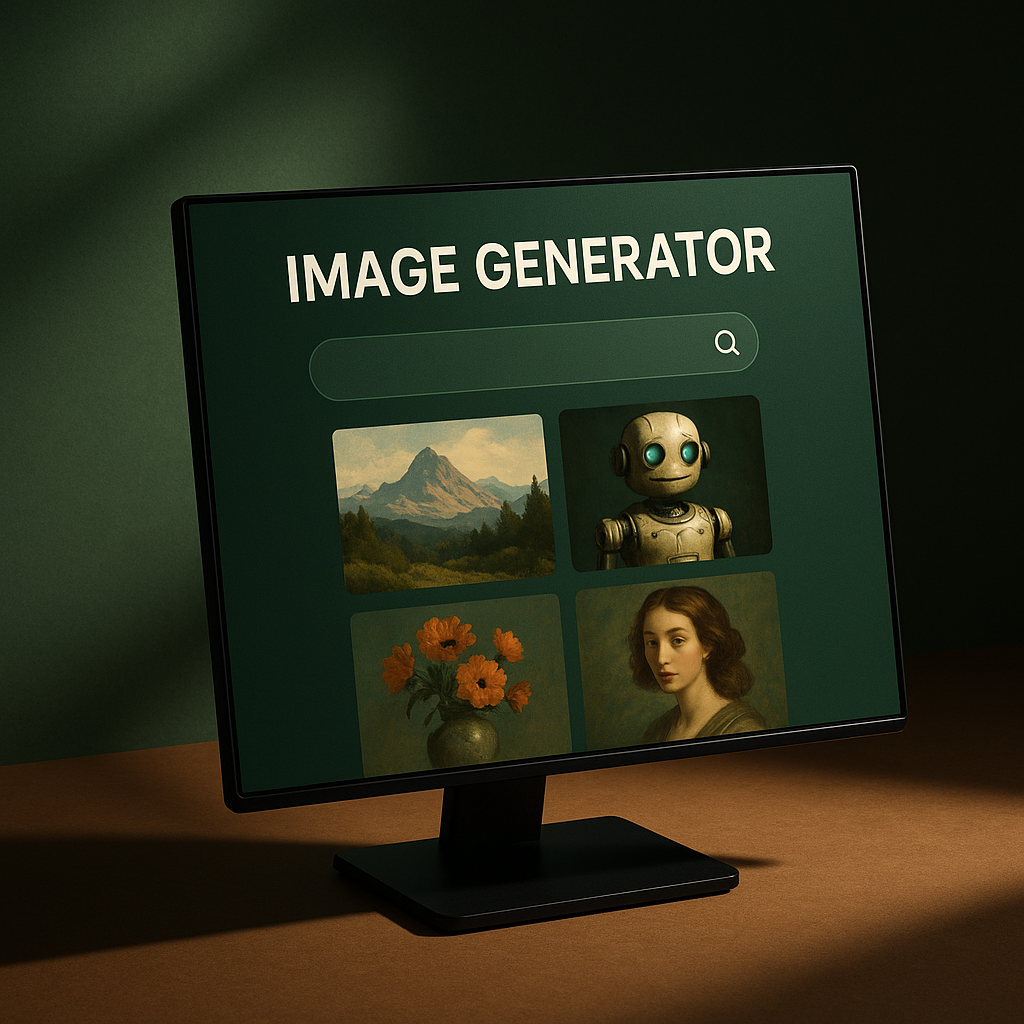
Unlocking Creativity: A Simple Guide to Using Image Generators for Beginners
червень 16, 2026
Maximum Potential
Отримайте повний досвід із планом Pro
ІНФОРМАЦІЯ