June 9, 2026
Experts Weigh In: How Image Generators Are Shaping Tomorrow's Art Landscape
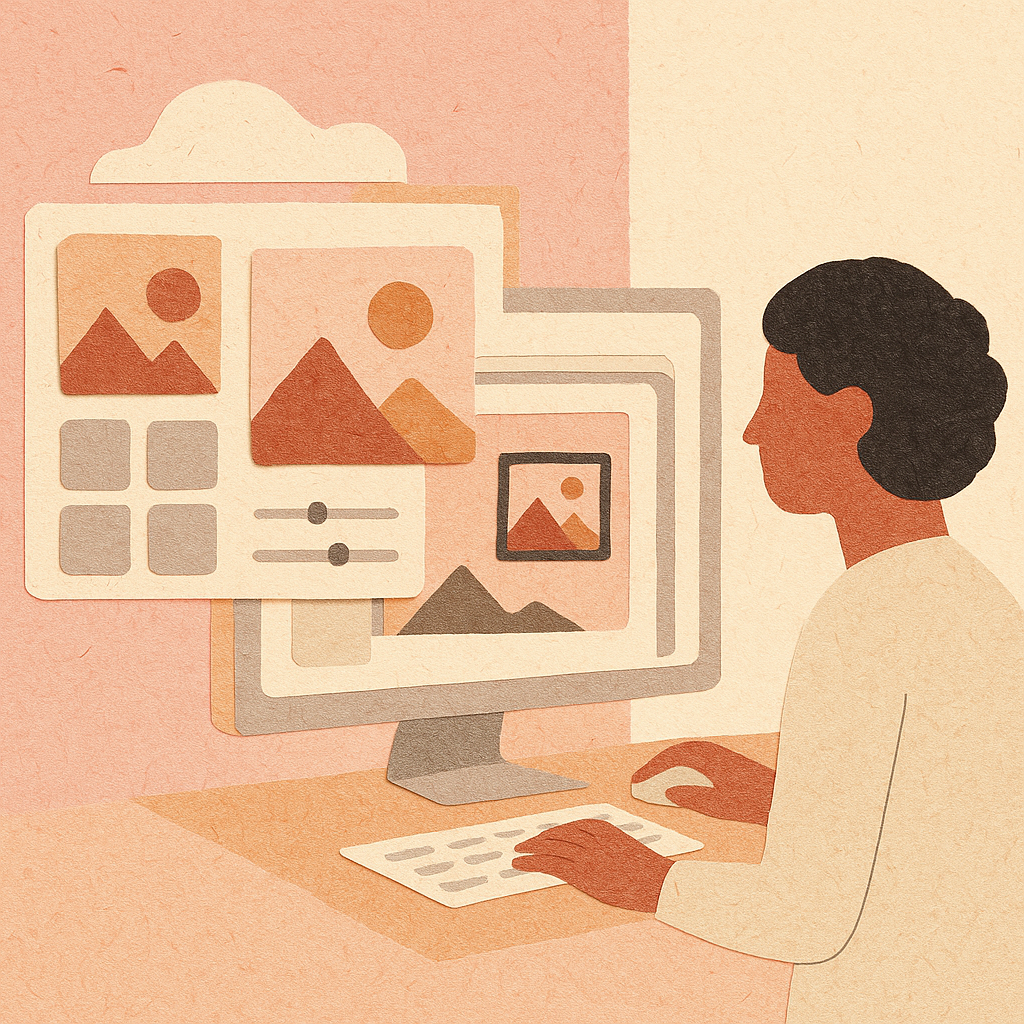
Image Generators
In recent years, image generators powered by artificial intelligence have transformed the creative landscape, allowing users to produce stunning visuals with just a few clicks. As various platforms and technologies emerge, industry experts gather to share their insights on the implications of this rapid evolution. We spoke with three leaders in the field: Dr. Emily Tran, a computer vision researcher; Mr. James O'Reilly, co-founder of an AI art startup; and Ms. Sarah Patel, a digital marketing strategist.
The Technology Behind Image Generators
To kick off our discussion, we asked Dr. Emily Tran about the core technology driving these innovative tools.
Q: What are the primary technologies that power AI image generators today?
A: “At the heart of most AI image generators is deep learning—specifically generative adversarial networks (GANs). These systems consist of two neural networks: a generator that creates images and a discriminator that evaluates them for authenticity. This cyclical process allows the generator to improve over time as it learns from feedback provided by the discriminator.”
Q: How has this technology evolved?
A: “Initially, GANs produced images that often had noticeable flaws or artifacts. However, advancements in training techniques and computational power have significantly enhanced their capabilities. Today’s models can create hyper-realistic images that are often indistinguishable from photographs.”
The Creative Process with AI
Next, we turned to Mr. James O'Reilly to understand how these tools impact creativity in various fields.
Q: As a co-founder of an AI art startup, how do you see image generators affecting artists and designers?
A: “AI image generators serve as powerful collaborators rather than outright replacements for artists. They can inspire new ideas by producing variations on themes or concepts that may not have occurred to a human creator. For example, an artist can input certain parameters into an image generator and receive multiple interpretations of their idea within seconds.”
Q: Do you think traditional artists feel threatened by this technology?
A: “There is certainly concern among some traditional artists regarding job security and market saturation. However, I believe those who embrace these tools will find new opportunities for expression and collaboration. Using AI doesn’t diminish one’s artistic voice; rather, it expands the toolkit available to creatives.”
The Role of Image Generators in Marketing
Ms. Sarah Patel joined our conversation to provide insight into how businesses leverage these technologies in marketing strategies.
Q: How are brands utilizing AI-generated images?
A: “Brands are increasingly turning to AI-generated imagery for everything from social media content to advertising campaigns. The ability to produce tailored visuals at scale helps companies maintain fresh content while managing costs effectively.”
Q: Can you give some examples where this has been particularly effective?
A: “Absolutely! Several brands have utilized these tools for personalized ads based on user data—creating customized visuals that resonate with specific demographics or interests. Additionally, during product launches or seasonal campaigns, companies can generate unique imagery rapidly without exhausting resources.”
The Ethical Considerations
The conversation inevitably shifted towards ethics in using AI-generated content.
Q: What ethical concerns arise from using AI-generated images?
A (Dr. Tran): “One major concern is copyright infringement—many models are trained on existing works without proper accreditation or compensation for original creators. There’s also the risk of creating misleading or harmful content; generating realistic images of events that never happened could contribute to misinformation.”
B (O'Reilly): “That said, it’s essential for developers and users alike to navigate these ethical waters responsibly. Transparency about how these images are created and ensuring fair use practices will be crucial moving forward.”
C (Patel): “Moreover, consumer skepticism arises when audiences cannot differentiate between real and generated content. Brands must actively address these issues through transparency while being mindful not to exploit AI capabilities irresponsibly.”
The Future of Image Generation Technology
Looking ahead, we asked our experts what they envision for the future of image generation technologies.
Q: What developments do you anticipate in this space over the next five years?
A (Tran): “I see continued enhancements in model efficiency and accessibility—allowing smaller creators access to technologies previously reserved for larger firms or research institutions.”
B (O'Reilly): “Furthermore, I expect collaborative platforms where artists can work alongside algorithms more seamlessly will evolve significantly—potentially changing how we define authorship and creativity.”
C (Patel): "As brands start integrating AR with these technologies for immersive experiences, consumer engagement will transform entirely—leading us into an era where digital art becomes interactive."
Navigating Challenges as We Grow...
The journey forward presents both challenges and opportunities as industries continue embracing this technology's capabilities while addressing ethical dilemmas inherent within it.
This ongoing dialogue between technology development leaders reveals optimism surrounding not only productivity but also artistic freedom—to reshape societal norms toward creation itself through collaboration between humanity & its innovations!
Recent Posts

Maximum Potential
Get the full experience with Pro Plan
INFORMATION