May 14, 2026
Exploring the Surge of Image Generators: Key Data Insights and Trends
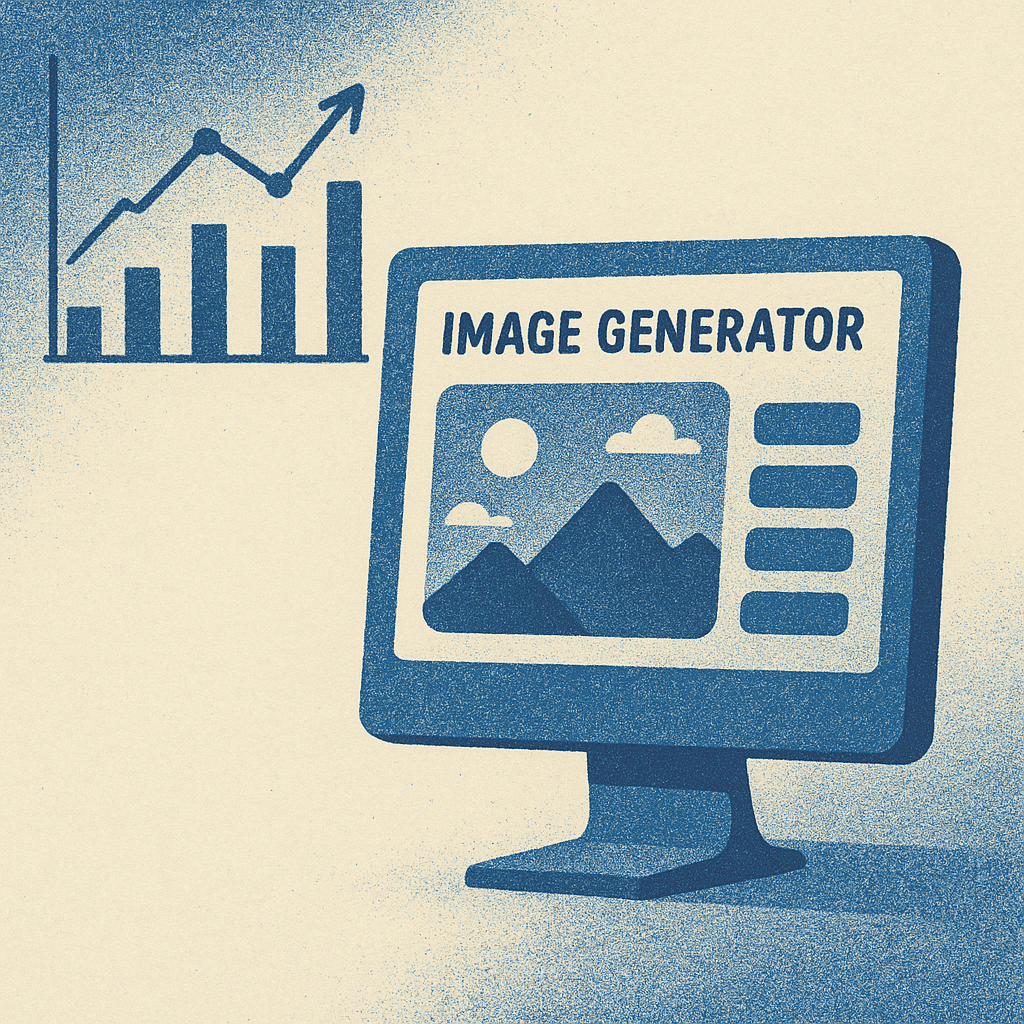
Image Generators
Image generation technology has undergone remarkable advancements over the last few years, transforming creative industries and redefining the way we think about art, design, and visual content creation. As businesses and individuals increasingly rely on these tools for various applications—from marketing materials to digital art—the trends surrounding image generators provide critical insights into their impact and future potential.
The Rise of AI-Powered Image Generators
In recent years, artificial intelligence has become a cornerstone of image generation technology. AI-powered tools, such as DALL-E 2 by OpenAI, Midjourney, and Stability AI's Stable Diffusion, have gained significant traction. According to industry reports from ResearchAndMarkets, the global AI in the creative industry market is expected to grow from $1.93 billion in 2023 to $10.28 billion by 2030, reflecting an astonishing compound annual growth rate (CAGR) of over 25%.
This rapid growth can be attributed to several factors. Firstly, widespread accessibility of advanced algorithms has made it easier for developers to create user-friendly platforms that leverage deep learning techniques for image synthesis. Secondly, the rising need for quick turnarounds in content creation has led marketers and designers to seek out innovative solutions that can produce high-quality visual assets with minimal effort. As a result, companies are increasingly incorporating these tools into their workflows.
Key Trends Shaping the Industry
The image generator sector is characterized by several notable trends that highlight its evolution:
- Customization and Personalization: Many modern image generators allow users to input detailed prompts or even provide sample images to guide the generation process. This level of customization enables creatives to maintain brand consistency while still harnessing AI's capabilities.
- Integration with Design Tools: As demand for seamless workflows grows, developers are integrating image generators directly into popular design software like Adobe Photoshop and Figma. This integration streamlines the design process by allowing users to generate images within their existing platforms.
- User-Friendly Interfaces: The emergence of no-code solutions designed for non-technical users has expanded the audience for image generators beyond professionals. Platforms like Canva now incorporate AI-generated images into their offerings, democratizing access to high-quality visuals.
- Sustainability Considerations: With increased awareness around sustainability in industries such as fashion and advertising, some companies are exploring how digital assets can reduce waste associated with traditional photography shoots or physical prototypes.
The Growing Market Demand
According to Statista data from early 2023, approximately 64% of marketers indicated they planned to leverage AI-generated images in their campaigns this year alone—a substantial increase from previous years. An increase in remote work environments has also propelled demand as brands search for efficient ways to produce eye-catching content without being limited by geographical constraints.
A report from Allied Market Research further emphasizes this trend: it projects that the global creative virtual assistant market—which includes AI-driven content generation—will reach $5 billion by 2027. This growth reflects not only the growing reliance on technology but also an evolving landscape where professional creatives must adapt or risk being left behind.
Challenges Facing Image Generators
- Ethical Concerns: Issues related to copyright infringement have arisen as more artists express concerns about their work being used as training data without permission or compensation. Companies must navigate these complexities carefully while fostering responsible use of AI technologies.
- Misinformation Risks: The ease with which realistic-looking images can be generated raises ethical questions regarding misinformation and manipulation in media contexts—particularly concerning political propaganda or fake news dissemination.
- Quality Control: While many generative models produce stunning visuals under optimal conditions, inconsistencies remain an ongoing concern. Businesses must strike a balance between speed and quality when implementing these technologies into their processes.
The Future Outlook
The trajectory of image generation technology suggests a bright future ahead but is also punctuated by necessary cautionary measures. Experts predict continued advancements in neural networks leading toward even more sophisticated outputs capable of mimicking various artistic styles accurately—a concept known as "style transfer." Furthermore, enhanced model architectures will likely improve speed and reduce computational costs associated with generating large batches of images.
A pivotal aspect moving forward will revolve around community engagement within both artistic circles and tech communities aimed at addressing ethical implications collaboratively rather than unilaterally imposing regulations that might stifle innovation altogether. Open-source initiatives have already begun paving new roads by providing transparent frameworks allowing users insight into how datasets are constructed while encouraging responsible practices amongst developers.
This collaborative approach may establish a foundation where creativity flourishes alongside technological advancements—ultimately resulting in richer forms of expression across diverse mediums fueled by this cutting-edge toolset.
A Q&A with Industry Experts
To gain further insights into current trends within this dynamic field, we spoke with industry experts who shared their perspectives on what lies ahead for image generators:
Q: What do you believe will be the biggest game-changer in the next five years?A: "The integration of augmented reality (AR) capabilities into existing platforms could revolutionize how consumers experience generated imagery—merging virtual content seamlessly with real-world environments." – Alex Harper, Creative Technologist. Q: How should companies handle concerns regarding copyright issues?
A: "Open conversations with stakeholders are crucial; establishing clear guidelines around usage rights would not only build trust but also promote ethical practices within our industry." – Priya Singh, Legal Advisor. Q: In your opinion, what role will education play going forward?
A: "Educating creatives on blending traditional artistry techniques with digital innovations will empower them to harness these tools effectively instead of viewing them purely as competitors." – Jordan Lee, Art Director.
The dialogue surrounding image generators encompasses both excitement about possibilities alongside vigilance regarding ethical ramifications—a balancing act essential as industries continue adapting rapidly towards this technological frontier.
Recent Posts
Breakthrough in Neural Networks: How New AI Models Revolutionize Global Tech
June 16, 2026
Head-to-Head: Comparing Neural Network Models and Their Impact on AI Work Today
June 16, 2026
New Breakthrough in Image Generators Promises to Revolutionize Artistic Expressi...
June 16, 2026

Maximum Potential
Get the full experience with Pro Plan
INFORMATION