березень 15, 2026
Revolutionising Creativity: How Image Generators Are Transforming Digital Art
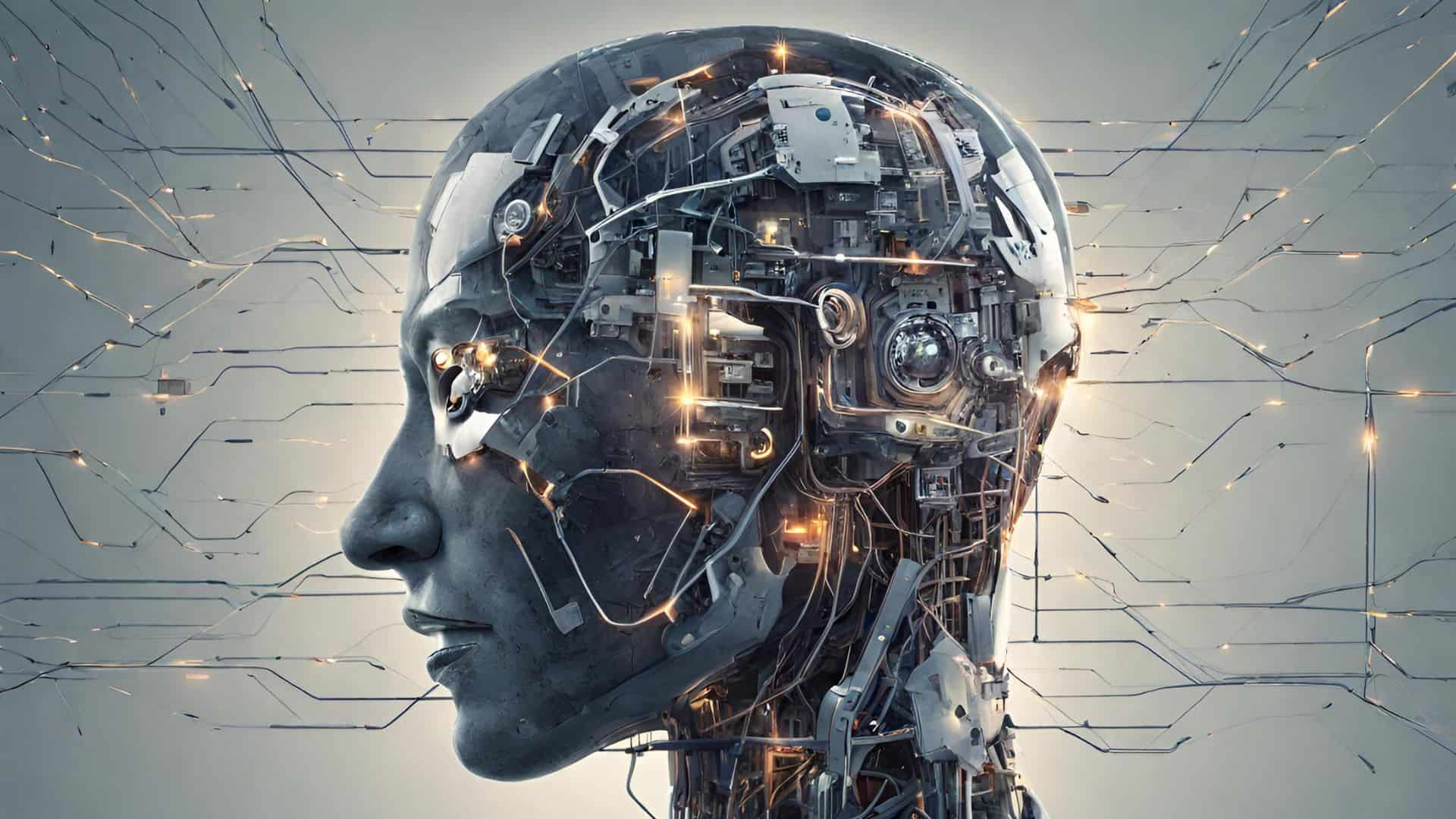
Image Generators
In recent years, the emergence of image generators has transformed the landscape of digital art and creative expression. These sophisticated tools, powered by artificial intelligence (AI), enable users to create stunning images from simple text prompts, opening up a world of possibilities for artists, designers, and hobbyists alike. As technology advances, the capabilities of these generators continue to evolve, raising questions about the implications for creativity, copyright, and the future of visual storytelling.
The core functionality of image generators lies in their ability to interpret textual descriptions and convert them into visual representations. Leading platforms such as OpenAI's DALL-E, Stability AI's Stable Diffusion, and Midjourney have garnered significant attention for their ability to produce high-quality images that often defy traditional artistic boundaries. Users can input detailed descriptions, and within moments, the AI delivers a unique image that encapsulates the provided concept. This instantaneity not only enhances the creative process but also democratizes access to art creation, allowing anyone with an idea to become an artist.
One of the most compelling aspects of image generators is their versatility. Artists are now able to experiment with styles and themes that may have previously been out of reach due to skill limitations or time constraints. For instance, an amateur artist can generate a photorealistic landscape or an abstract piece with a few clicks, exploring new genres and techniques without the usual barriers. This has led to an explosion of creativity across social media platforms, where users share their AI-generated artworks, often blurring the lines between human and machine-made creations.
Moreover, image generators are not just a tool for individual creators; they have found applications in various industries. Marketing professionals are leveraging these tools to create compelling visual content for campaigns, while game developers incorporate AI-generated assets into their projects, streamlining the design process. In the fashion industry, designers are using image generators to conceptualise new collections, allowing for rapid prototyping and iteration. This broader adoption signifies a shift in how visual content is produced and consumed in a digital age.
However, the rise of image generators is not without controversy. One of the most pressing concerns revolves around copyright and ownership. As these tools learn from vast datasets of existing artworks, questions arise regarding the originality of the images they produce. If an AI generates an image that closely resembles a human-created piece, who holds the rights to that image? Legal frameworks are struggling to keep pace with this technological advancement, leading to calls for clearer guidelines on copyright and intellectual property in the realm of AI-generated works.
Furthermore, the ethical implications of using image generators cannot be overlooked. The potential for misuse is significant; for instance, malicious actors could create deepfake images or misleading visuals that can spread misinformation. The responsibility lies not only with the developers of these technologies but also with users who must navigate the ethical landscape of AI-generated content. Educating the public on the capabilities and limitations of these tools is crucial in mitigating potential risks.
In response to these challenges, some platforms have begun to implement measures aimed at promoting ethical use. For example, certain image generators now include watermarking features designed to identify AI-generated content clearly. Additionally, organisations and artists are advocating for the establishment of ethical guidelines that encourage responsible usage of these technologies while safeguarding the rights of human creators.
As image generators continue to advance, the potential for innovation grows exponentially. Recent developments in machine learning and neural networks have resulted in more sophisticated algorithms that can create even more intricate and varied images. For instance, the introduction of diffusion models allows for greater control over the image generation process, enabling users to fine-tune aspects like composition, colour palette, and style. This level of customisation empowers creators to have a more hands-on approach in shaping their artistic visions.
The educational sector is also beginning to embrace image generators as a teaching tool. Art educators are incorporating these technologies into their curriculums, allowing students to explore the intersection of art and technology. By understanding how to use and critique AI-generated content, students can develop a more comprehensive skill set that prepares them for a rapidly changing job market where digital literacy is paramount.
Looking ahead, the future of image generators is likely to see further integration into everyday life. As these tools become more accessible and user-friendly, we can expect an influx of creativity from diverse sources, including those who may not identify as traditional artists. The barriers to entry in the art world are gradually dissolving, fostering an environment where imagination and innovation can thrive.
In summary, image generators represent a remarkable fusion of technology and creativity, offering unprecedented opportunities for artistic expression while also posing significant challenges. As the landscape continues to evolve, it is imperative for creators, industry leaders, and policymakers to engage in meaningful discussions about the ethical and legal implications of this technology. By navigating these complexities thoughtfully, society can harness the transformative power of AI-generated art while ensuring that the rights and dignity of human creators are respected and preserved.
Recent Posts
Head-to-Head: Comparing Top AI Models in Работа с Нейросетями and Their Impact
червень 16, 2026
Debunking Myths: The Realities of Работа с Нейросетями and AI Models Today
червень 16, 2026
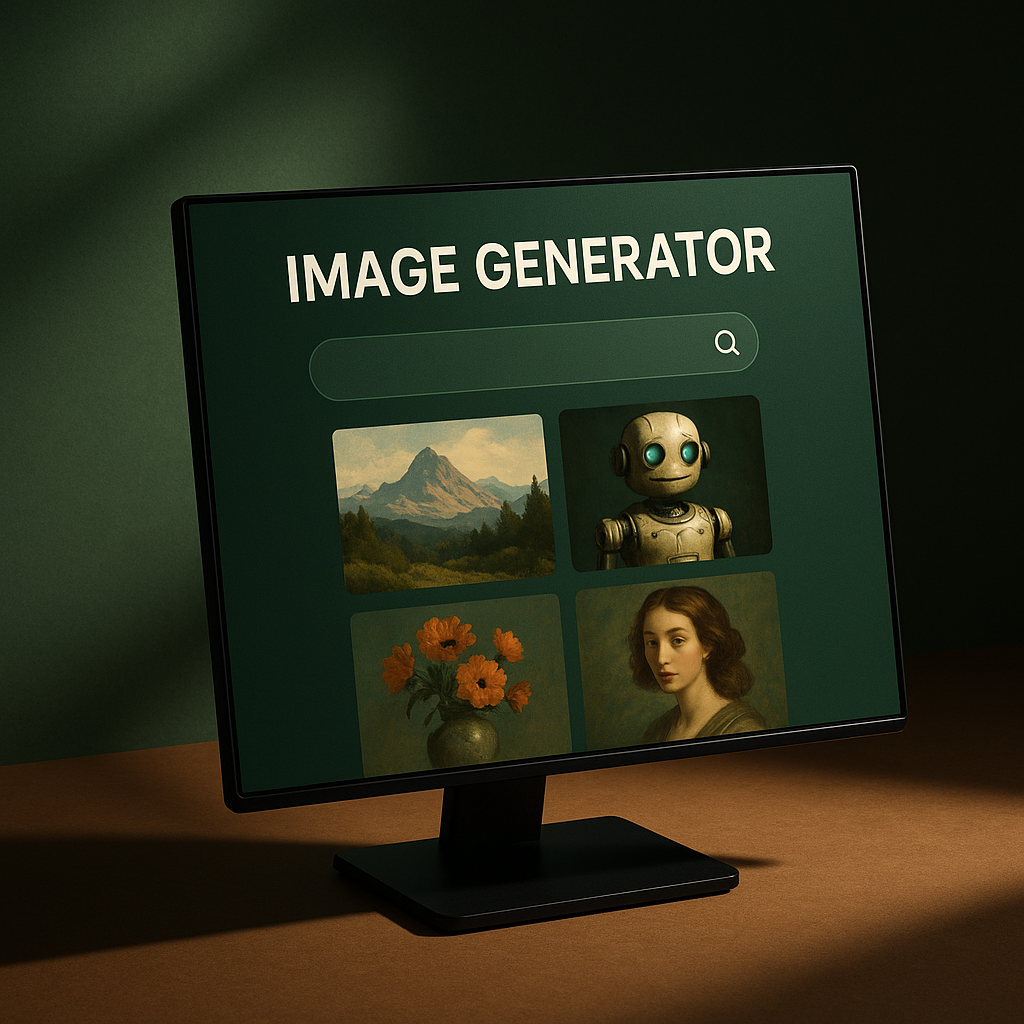
Unlocking Creativity: A Simple Guide to Using Image Generators for Beginners
червень 16, 2026
Maximum Potential
Отримайте повний досвід із планом Pro
ІНФОРМАЦІЯ