березень 8, 2026
Revolutionising Creativity: How Image Generators Are Transforming Visual Art
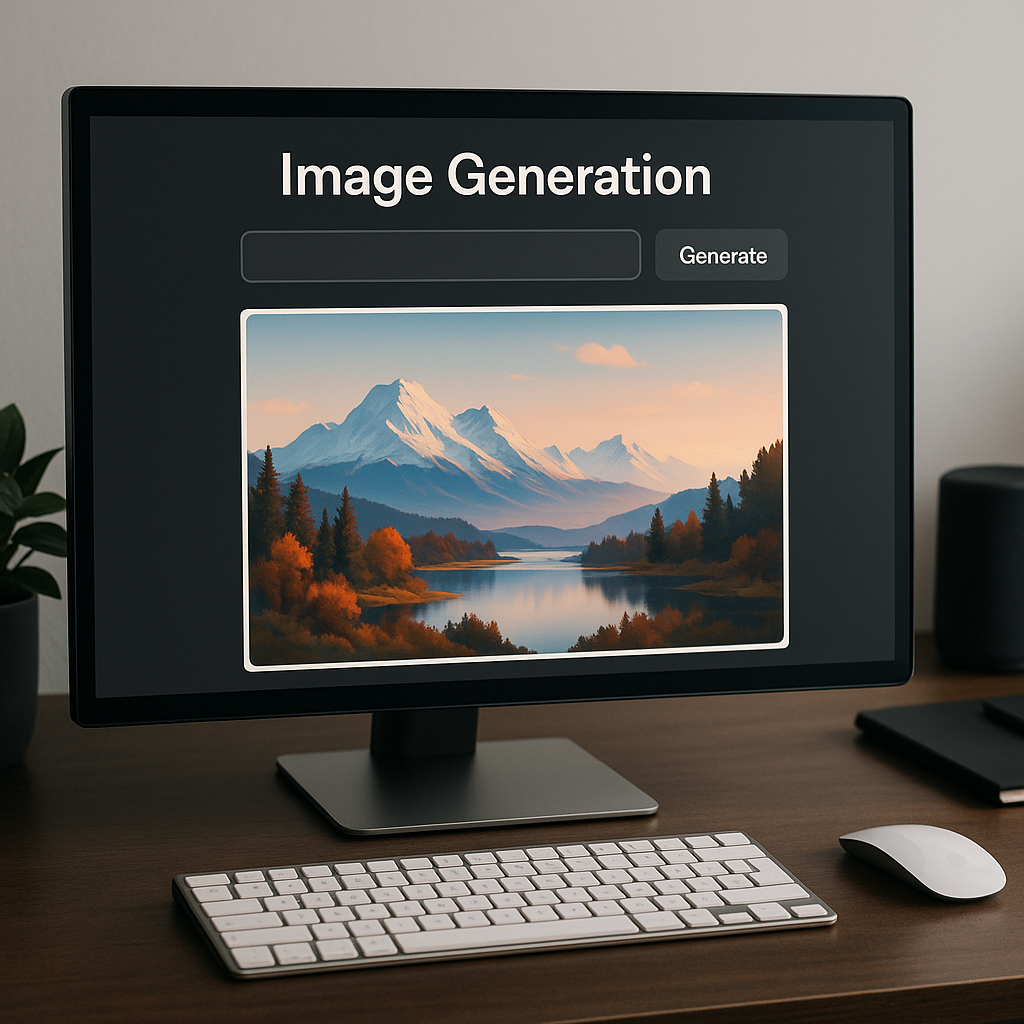
Image Generators
In recent years, the landscape of digital creation has been revolutionised by the emergence of image generators powered by artificial intelligence (AI). These sophisticated tools allow users to create stunning visuals with just a few clicks, bypassing the need for traditional artistic skills or extensive software knowledge. As the technology continues to advance, it raises significant questions about creativity, ownership, and the future of art itself.
At the heart of this phenomenon are AI algorithms, particularly those based on deep learning techniques. These algorithms are trained on vast datasets of images, learning patterns, styles, and features that define various forms of art. Once trained, these models can generate new images based on textual descriptions or prompts provided by the user. This capability has given rise to popular platforms such as DALL-E, MidJourney, and Stable Diffusion, each offering unique features and styles of image creation.
The appeal of image generators lies in their accessibility. Artists, designers, and even casual users can produce high-quality images without the steep learning curve associated with traditional graphic design software. For instance, a user with no background in art can type a simple description like “a futuristic city skyline at sunset” and receive a visually striking image in mere seconds. This ease of use is not only democratising art creation but is also inspiring a new generation of creators who may have previously felt deterred by their lack of technical skills.
Moreover, these tools are not just for professional artists; they cater to various industries and sectors. Content creators can quickly produce eye-catching visuals for social media, marketing teams can generate unique graphics for campaigns, and educators can create engaging materials for their classrooms. The versatility of image generators opens up a world of possibilities, making visual content creation more efficient and innovative.
However, the rise of image generators is not without its controversies. One of the primary concerns revolves around copyright and ownership. Since these AI systems are trained on existing artworks, questions arise about whether the outputs can be considered original or derivative works. Artists whose work has been incorporated into training datasets often express frustration, fearing that their unique styles and creations are being exploited without proper credit or compensation.
Legal frameworks surrounding copyright are struggling to keep pace with the rapid development of AI technologies. In many jurisdictions, copyright law protects the expression of ideas but not the ideas themselves. This creates a grey area when it comes to AI-generated images. As of now, there is no clear consensus on whether the creators of the AI, the users who input prompts, or the original artists whose works were used in training hold any rights to the generated images. This ambiguity is leading to ongoing discussions among lawmakers, legal experts, and artists.
Additionally, ethical considerations emerge when discussing the use of AI in art. Critics argue that relying on AI generators diminishes the value of human creativity and craftsmanship. They contend that art is not merely about the end product but also about the process and the emotional connection between the artist and their work. In contrast, proponents of AI-generated art argue that these tools can enhance creativity rather than replace it, allowing artists to experiment and explore new ideas that they may not have considered otherwise.
The debate extends into the realm of authenticity and artistic integrity. While traditional artists often have a distinct style or voice, AI-generated images can sometimes lack the depth and emotional resonance that come from human experience. This has led to discussions about what constitutes “real” art in an age where machines can replicate styles and produce aesthetically pleasing images without personal investment. Some art critics fear that the proliferation of AI-generated art could lead to a homogenisation of creative expression, where unique voices are drowned out by algorithmically generated content.
In response to these concerns, many artists are beginning to embrace AI as a collaborative partner rather than a competitor. They are using image generators to spark inspiration, generate concepts, or provide a foundation upon which they can build. Instead of viewing AI tools as a threat, these artists see them as an extension of their creative toolkit. This shift in mindset is fostering a new artistic movement that blends human creativity with machine intelligence, resulting in innovative and exciting works of art.
As the technology continues to evolve, the future of image generators looks promising. Advancements in AI capabilities are likely to lead to even more sophisticated tools that can produce increasingly complex and nuanced images. Furthermore, as society grapples with the implications of AI on creativity and copyright, we may see the development of new regulations and frameworks that better address these issues.
In the meantime, the integration of image generators into the creative landscape offers both opportunities and challenges. Artists, designers, and content creators are at the forefront of this transformation, navigating the intersection of technology and creativity. The way forward will require a balance between embracing innovation and safeguarding the rights and recognition of human creators.
As we move deeper into the digital age, it is imperative to engage in thoughtful discussions about the role of AI in art, its implications for copyright, and the essence of creativity itself. The conversation surrounding image generators is just beginning, and its outcome will likely shape the future of artistic expression for generations to come.
Recent Posts
Head-to-Head: Comparing Top AI Models in Работа с Нейросетями and Their Impact
червень 16, 2026
Debunking Myths: The Realities of Работа с Нейросетями and AI Models Today
червень 16, 2026
Unlocking Creativity: A Simple Guide to Using Image Generators for Beginners
червень 16, 2026
Maximum Potential
Отримайте повний досвід із планом Pro
ІНФОРМАЦІЯ