April 2, 2026
Revolutionizing Creativity: How Image Generators Are Shaping Digital Art
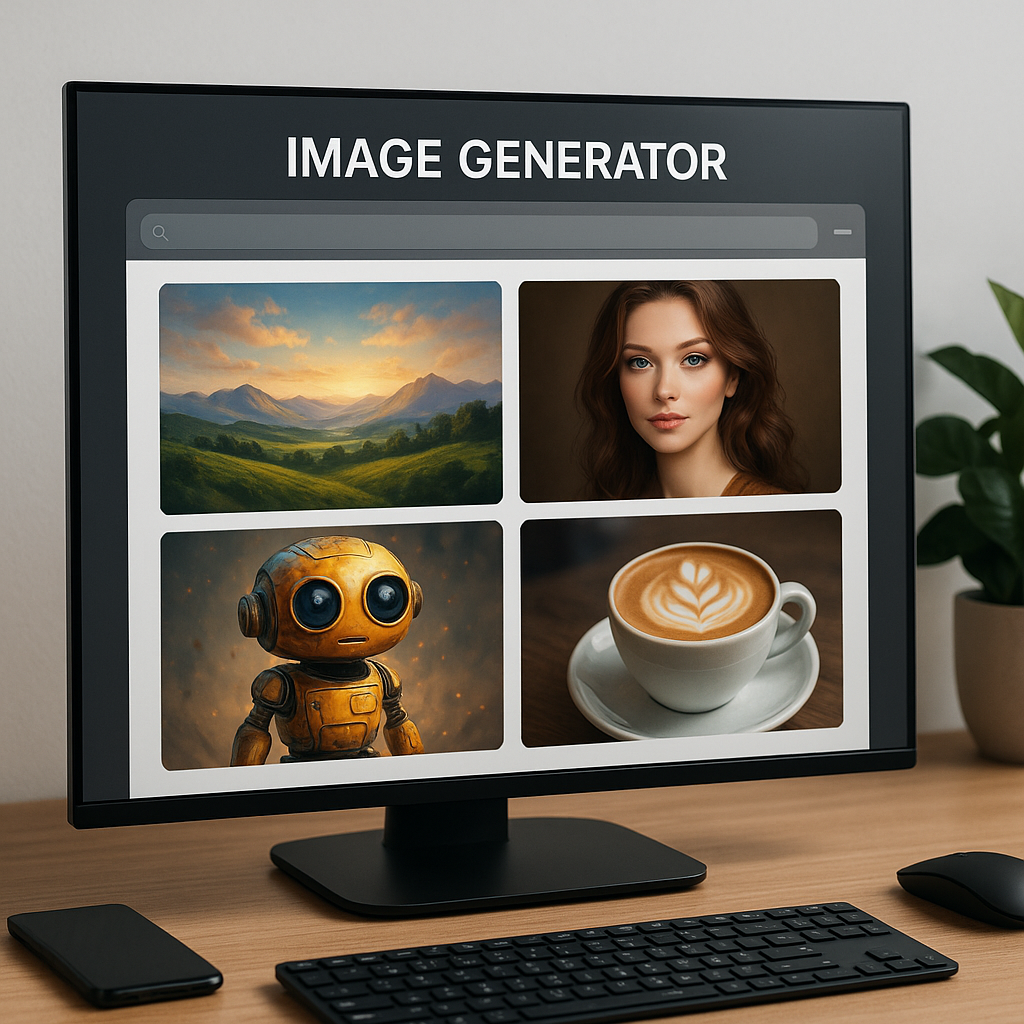
Image Generators
In recent years, the rise of image generators has transformed the landscape of digital art and design, making it increasingly accessible to both professionals and amateurs alike. These advanced algorithms, powered by artificial intelligence (AI), enable users to create stunning visuals from text prompts or other input data. As technology continues to advance, image generators are becoming more sophisticated, leading to a growing interest in their applications, implications, and limitations.
Image generators, particularly those based on Generative Adversarial Networks (GANs) and diffusion models, have gained significant traction in various industries. GANs consist of two neural networks—the generator and the discriminator—that compete against each other. The generator creates images, while the discriminator evaluates them. This iterative process results in increasingly realistic images over time. Diffusion models, on the other hand, work by gradually adding noise to an image and then training the model to reverse the process, allowing it to generate new images from random noise.
One of the most well-known image generators is OpenAI's DALL-E, which gained fame for its ability to create intricate and imaginative visuals based on textual descriptions. Users can input phrases like "a two-headed flamingo wearing a top hat," and DALL-E produces a unique image that aligns with the prompt. This capability not only showcases the potential of AI in creative fields but also raises questions about originality and authorship in the age of machine-generated art.
Another notable player in the image generation arena is Midjourney, which has garnered a following for its community-driven approach. Users can interact with the platform through Discord, generating images collaboratively and sharing their creations in real-time. This model has fostered a sense of community among digital artists, encouraging experimentation and collaboration, while also sparking discussions about the role of AI in creative processes.
As image generators grow in popularity, they are beginning to find applications across a range of sectors. In advertising, companies can leverage these tools to create eye-catching visuals without the need for extensive photoshoots or graphic design teams. By inputting simple text prompts, marketers can generate custom images tailored to their campaigns, speeding up the content creation process and reducing costs.
In the gaming industry, image generators are being used to create assets for characters, environments, and even entire game worlds. Developers can quickly produce art that fits their vision, allowing for more rapid prototyping and iteration. This not only accelerates development timelines but also opens up new possibilities for creative expression within games.
Moreover, the fashion industry is experimenting with image generators to visualize clothing designs and concepts. Designers can input descriptions of garments, colors, and patterns, generating unique fashion items that can be showcased in virtual showrooms. This application not only enhances the design process but also aligns with the growing trend of digital fashion, where virtual clothing can be sold for avatars in online spaces.
Despite their many benefits, the rise of image generators is not without controversy. One of the primary concerns revolves around copyright and intellectual property. As these AI models learn from vast datasets containing existing artwork, questions arise regarding the ownership of the images they produce. If an AI generates an image based on a style influenced by an artist’s work, who holds the rights to that creation? This dilemma has prompted discussions among artists, legal experts, and policymakers about the need for new frameworks to address the complexities of AI-generated content.
Additionally, there is a growing unease about the potential for misuse of image generators. With the ability to create hyper-realistic images, the risk of generating misleading or harmful content has increased. Deepfakes, for instance, utilize similar technology to manipulate images and videos, raising ethical concerns about misinformation and privacy violations. The challenge lies in finding a balance between harnessing the power of these tools and safeguarding against their potential misuse.
As a response to these concerns, some developers are implementing safety measures in their image generators. OpenAI, for example, has established guidelines to restrict the generation of harmful or inappropriate content, while also actively moderating the outputs of their models. These efforts aim to foster responsible use of AI technology while allowing for creative exploration.
Moreover, education plays a pivotal role in navigating the evolving landscape of image generation. As more individuals gain access to these tools, there is a pressing need for resources that teach users about ethics, copyright, and the implications of AI-generated art. By empowering users with knowledge, the industry can cultivate a community that respects the rights of creators while embracing innovation.
The future of image generators looks promising, with ongoing advancements in AI technology paving the way for even more sophisticated and versatile tools. As researchers continue to refine these models, we can expect to see improvements in the quality of generated images, as well as the introduction of new features that enhance user experience. For instance, future generators might enable more intricate controls over style, composition, and color palettes, allowing artists to exercise greater creative freedom.
In conclusion, image generators represent a significant evolution in the intersection of technology and creativity. By democratizing access to art and design, they are reshaping industries and inspiring new forms of expression. However, as the technology evolves, it also brings forth ethical and legal challenges that society must address. With responsible use and thoughtful engagement, image generators have the potential to enrich the creative landscape while fostering a deeper understanding of the role of AI in artistry.
Recent Posts
Breakthrough in Neural Networks: How New AI Models Revolutionize Global Tech
June 16, 2026
Head-to-Head: Comparing Neural Network Models and Their Impact on AI Work Today
June 16, 2026
New Breakthrough in Image Generators Promises to Revolutionize Artistic Expressi...
June 16, 2026
Maximum Potential
Get the full experience with Pro Plan
INFORMATION