May 11, 2026
Revolutionizing Creativity: How Image Generators Are Shaping the Future of Art
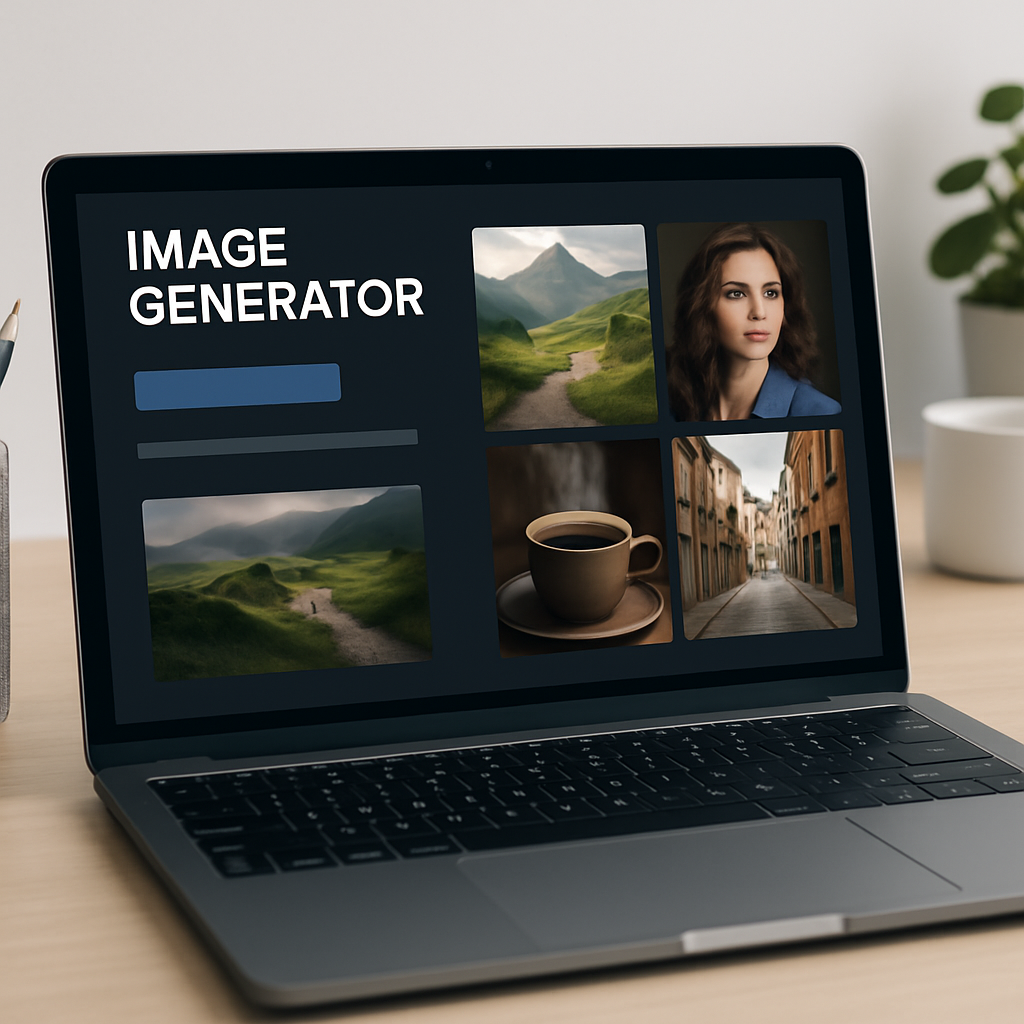
Image Generators
In recent years, image generators powered by artificial intelligence have surged in popularity, transforming the way we create, consume, and think about visual content. As technology advances, these tools have become increasingly sophisticated, enabling users to generate high-quality images from simple text prompts. This innovation is not only reshaping artistic expression but also influencing various industries, including advertising, entertainment, and education.
At the heart of these image generators is a technology known as generative adversarial networks (GANs), which was first introduced in 2014 by Ian Goodfellow and his colleagues. GANs work by utilizing two neural networks—the generator and the discriminator—that are trained simultaneously. The generator creates images, while the discriminator evaluates them against real-world images. Through this adversarial process, the generator improves its ability to create realistic images over time, leading to remarkable outputs that can range from photorealistic portraits to fantastical landscapes.
One of the most notable advancements in the field is the rise of text-to-image generators. These platforms allow users to input descriptive text prompts, which the AI then interprets to create corresponding images. Some of the most popular tools in this space include OpenAI's DALL-E, Stability AI's Stable Diffusion, and Midjourney. Each of these tools has its unique strengths and features, catering to different user needs and creative styles.
DALL-E, for instance, gained widespread attention for its ability to generate complex and imaginative images from detailed textual descriptions. With capabilities that include creating images of non-existent objects or fantastical creatures, DALL-E has not only captured the imagination of artists and designers but has also sparked debates about the implications of AI-generated art in the creative community. Users have experimented with prompts ranging from “an armchair in the shape of an avocado” to “a futuristic cityscape at sunset,” resulting in stunning visuals that showcase the tool's versatility.
Stable Diffusion, on the other hand, has garnered acclaim for its open-source model, allowing developers and artists to customize and fine-tune the generator to meet their specific needs. Its accessibility has led to a surge in community-driven projects, with users sharing their creations and modifications online. This collaborative spirit has not only fostered innovation but has also democratized access to advanced image generation technology, making it available to a broader audience.
Midjourney stands out for its focus on artistic style and aesthetic appeal. It produces images that often resemble traditional artistic techniques, appealing to graphic designers and illustrators who seek to blend AI with human creativity. The tool's community-driven approach encourages users to share prompts and results, leading to a vibrant exchange of ideas and inspiration within the creative space.
The implications of these advancements extend beyond individual creativity. Industries are beginning to harness the power of image generators for commercial purposes. In advertising, for instance, brands are utilizing AI to generate visually striking campaign materials, rapidly producing content that aligns with their marketing strategies. The ability to quickly create bespoke images tailored to specific demographics allows companies to maintain a competitive edge in a fast-paced digital landscape.
In the realm of entertainment, game developers are exploring the potential of AI-generated assets. By using image generators to create characters, environments, and even promotional materials, studios can streamline their workflows and reduce production costs. This technology not only enhances efficiency but also opens up new avenues for creative storytelling, as developers can generate unique content that evolves based on player interactions.
Moreover, education is another sector benefiting from the rise of image generators. Educators are tapping into these tools to create engaging visual aids that can enhance learning experiences. From generating illustrations for textbooks to creating interactive content for online courses, the possibilities are vast. By leveraging AI-generated visuals, educators can cater to diverse learning styles and make complex subjects more accessible and engaging for students.
Despite the numerous advantages of image generators, there are also significant concerns surrounding their use. One of the primary issues is copyright and intellectual property rights. As AI-generated images become more prevalent, questions arise regarding ownership—who owns the rights to an image created by an algorithm? This ambiguity presents challenges for artists, particularly those who rely on their work for income. Furthermore, the potential for AI-generated images to be used in disinformation campaigns raises ethical concerns about the manipulation of visual content in the digital age.
The art community is also grappling with the implications of AI on traditional artistic practices. Some artists view image generators as a threat, fearing that they may devalue human creativity and craftsmanship. Others, however, see them as tools that can enhance their work, allowing for new forms of collaboration between humans and machines. This ongoing dialogue highlights the need for a nuanced understanding of the role of AI in the creative process, balancing innovation with respect for traditional artistry.
As image generators continue to evolve, the future holds exciting possibilities. Companies are investing heavily in research and development to enhance the capabilities of these tools, leading to even more lifelike and imaginative outputs. The integration of additional sensory inputs, such as sound and motion, could further enrich the user experience, paving the way for immersive environments where visual and auditory elements harmoniously coexist.
In conclusion, image generators represent a transformative shift in the landscape of visual content creation. By leveraging advanced AI technologies, these tools are empowering individuals and industries alike, fostering creativity and innovation across various sectors. While challenges remain regarding ethical considerations and the impact on traditional art forms, the potential for collaboration between humans and machines is vast. As society navigates this new frontier, embracing the possibilities while addressing the challenges will be crucial in shaping the future of artistic expression and visual communication.
Recent Posts
Breakthrough in Neural Networks: How New AI Models Revolutionize Global Tech
June 16, 2026
Head-to-Head: Comparing Neural Network Models and Their Impact on AI Work Today
June 16, 2026
New Breakthrough in Image Generators Promises to Revolutionize Artistic Expressi...
June 16, 2026
Maximum Potential
Get the full experience with Pro Plan
INFORMATION