March 29, 2026
Revolutionizing Creativity: How Image Generators are Transforming Digital Art
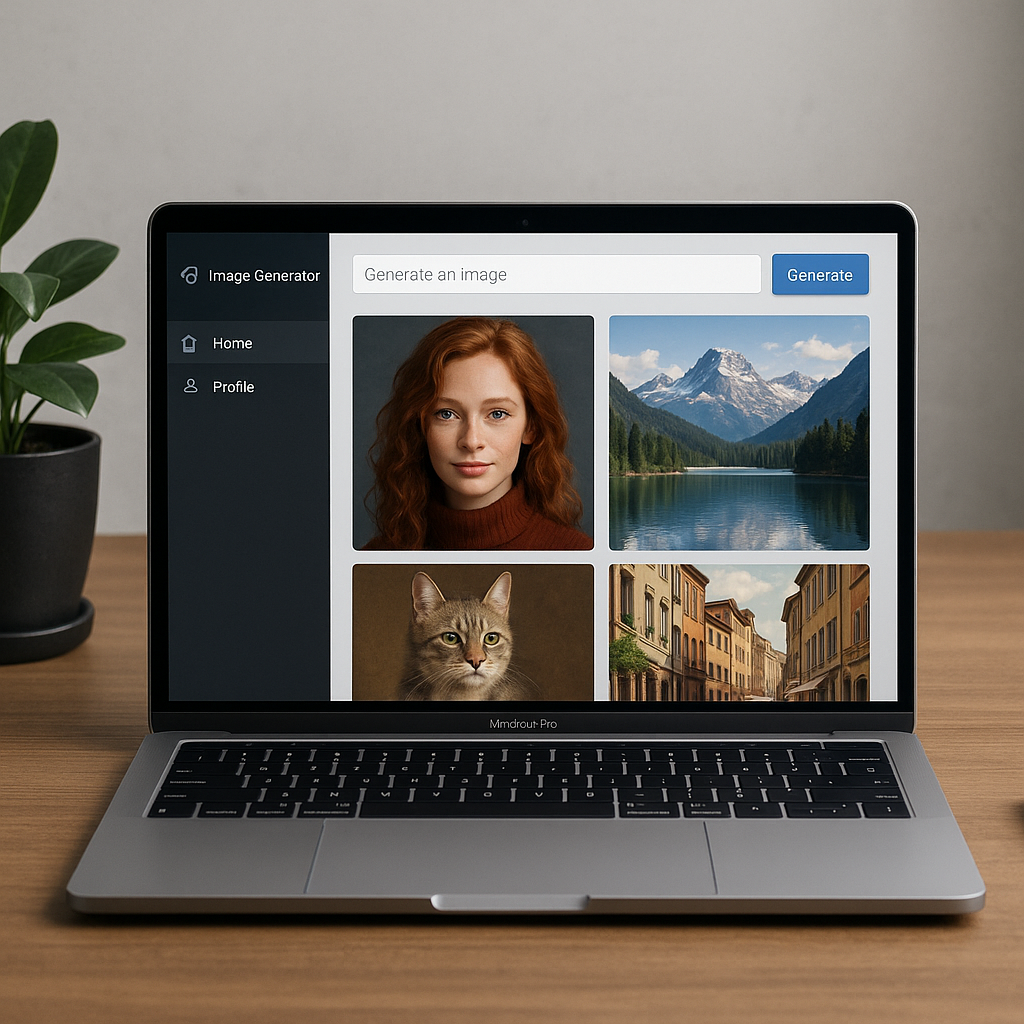
Image Generators
In recent years, image generators have emerged as a groundbreaking technology, transforming the landscape of digital art, advertising, and design. These sophisticated algorithms, powered by artificial intelligence (AI) and machine learning, are capable of creating stunning visuals based on user inputs, redefining the creative process in various fields. As more businesses and individuals embrace this innovative tool, it is essential to explore the mechanics behind image generators, their applications, and the ethical considerations surrounding their use.
At the core of image generation technology lies a branch of AI known as Generative Adversarial Networks (GANs). Introduced by Ian Goodfellow and his colleagues in 2014, GANs consist of two neural networks, the generator and the discriminator, which work in tandem to produce high-quality images. The generator creates images from random noise and attempts to improve its output based on feedback from the discriminator, which evaluates how realistic the generated images are compared to real ones. This adversarial process results in the continuous refinement of the generator’s capabilities, leading to increasingly lifelike creations.
One of the most widely recognized image generators is OpenAI’s DALL-E, which gained significant attention for its ability to create detailed images from textual descriptions. Users can input phrases like “a two-headed flamingo wearing a hat,” and DALL-E will produce a unique image that perfectly encapsulates the description. This has opened up new avenues for artists, marketers, and content creators who can now generate custom visuals tailored to specific needs without requiring extensive artistic skills.
Another notable player in the field is Midjourney, which has captivated users with its artistic flair and unique style. Artists and designers have flocked to platforms like Midjourney to harness its capabilities for inspiration or even to produce final artworks. The accessibility of these tools has democratized the creation of visual content, allowing individuals from various backgrounds to contribute to the digital art landscape.
The implications of image generators extend far beyond personal use; businesses are beginning to integrate these technologies into their marketing and design strategies. Companies can produce high-quality visuals for advertising campaigns, social media content, and product designs at a fraction of the cost and time previously required. This newfound efficiency allows brands to be more agile, adapting quickly to market trends and consumer preferences.
Moreover, the potential for customization is immense. Businesses can generate images that resonate with their target audience, tailoring visuals to reflect cultural nuances or specific demographics. This level of personalization can enhance customer engagement and loyalty, as consumers are more likely to connect with content that feels uniquely crafted for them.
In addition to its applications in marketing and advertising, image generation technology is finding its way into the realms of fashion, gaming, and even virtual reality. Designers are leveraging these tools to create unique clothing patterns, game environments, and immersive experiences that push the boundaries of creativity. The ability to visualize concepts quickly and effectively has transformed traditional workflows, enabling faster prototyping and iteration.
However, the rise of image generators has not been without controversy. As the technology becomes more accessible, concerns regarding copyright infringement and the authenticity of artwork are surfacing. Artists have voiced their worries about the potential for their work to be replicated or altered by these AI systems, leading to disputes over intellectual property rights. Additionally, the ease with which images can be generated raises questions about the value of traditional artistry and the role of human creativity in the digital age.
Ethical considerations also extend to the potential misuse of image generators. The technology can be exploited to create deepfakes, misleading content, or even propaganda, which poses significant challenges for media literacy and trust. The ability to produce hyper-realistic images raises alarms about misinformation and the impact it can have on society. As a result, developers and policymakers are grappling with the need for regulations that can ensure responsible use of these technologies while still fostering innovation.
To address these challenges, several organizations and researchers are advocating for transparency in the use of AI-generated content. Initiatives are underway to create standards that would require creators to disclose when an image has been generated by AI, allowing consumers to make informed decisions about the authenticity of the visuals they encounter. Additionally, there is a growing push for educational programs that teach digital literacy, helping individuals discern between genuine and manipulated content.
As image generators continue to evolve, the future of visual content creation looks promising yet complex. The integration of AI into creative processes has the potential to enhance human creativity, serving as a tool rather than a replacement. By collaborating with these technologies, artists and designers can push the boundaries of their craft, exploring new styles and concepts that may not have been possible without the assistance of AI.
In conclusion, image generators represent a significant shift in the way visual content is created and consumed. While they offer numerous benefits, including increased accessibility, customization, and efficiency, they also bring forth ethical dilemmas that society must navigate. As technology continues to advance, finding a balance between innovation and responsibility will be crucial in shaping the future of digital artistry and the creative industries at large. The dialogue surrounding these tools is ongoing, and as we move forward, it will be essential to foster an environment that encourages creativity while protecting the rights and integrity of artists in this new era of image generation.
Recent Posts
Breakthrough in Neural Networks: How New AI Models Revolutionize Global Tech
June 16, 2026
Head-to-Head: Comparing Neural Network Models and Their Impact on AI Work Today
June 16, 2026
New Breakthrough in Image Generators Promises to Revolutionize Artistic Expressi...
June 16, 2026

Maximum Potential
Get the full experience with Pro Plan
INFORMATION