April 26, 2026
Revolutionizing Creativity: How Image Generators Are Transforming Digital Art
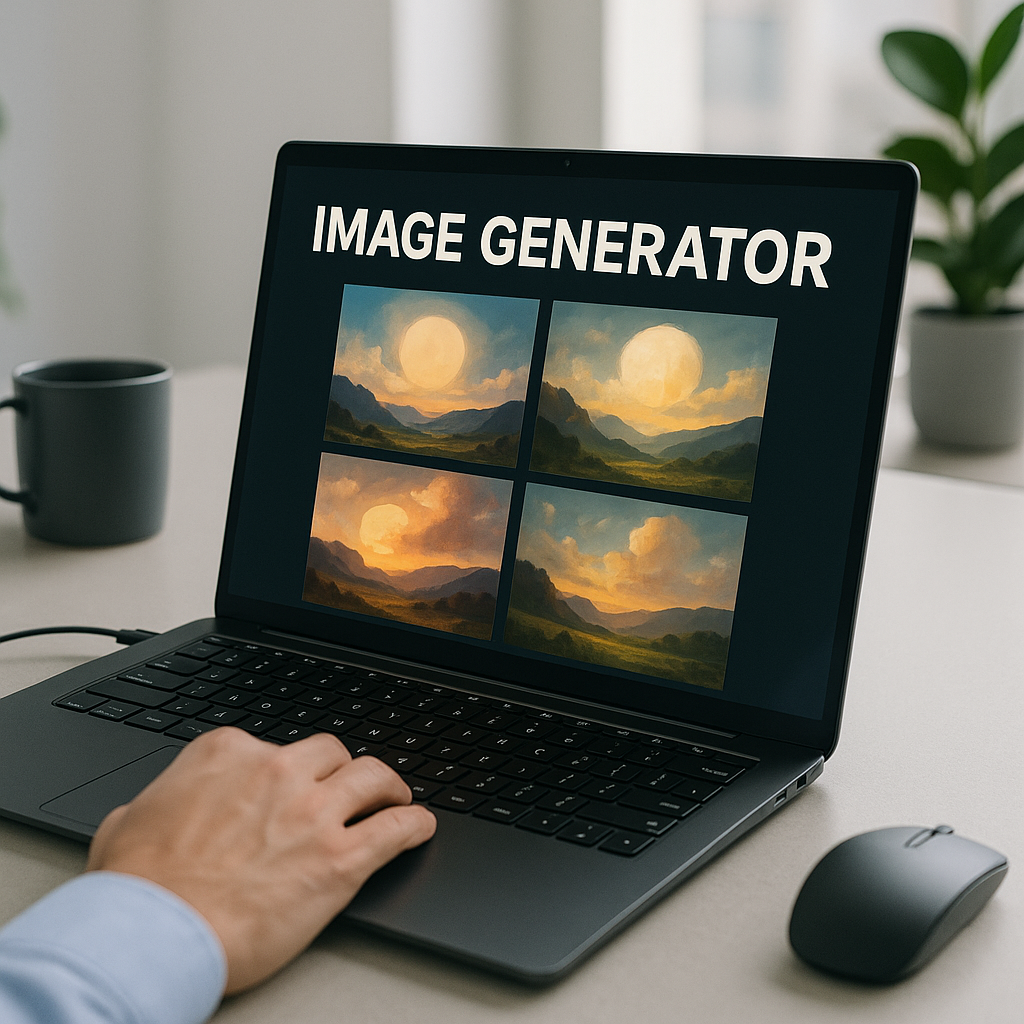
Image Generators
In recent years, the rise of image generators has transformed the landscape of digital art, design, and content creation. These advanced artificial intelligence tools leverage deep learning algorithms to create images based on textual prompts, allowing users to generate visual content in a matter of seconds. As the technology matures, image generators are not only changing how artists and designers work but also raising important questions about copyright, creativity, and the future of visual media.
At the core of these image generation systems lies a branch of AI known as Generative Adversarial Networks (GANs). This technology involves two neural networks—the generator and the discriminator—that work in tandem to create images that are increasingly indistinguishable from real ones. The generator creates images based on random noise and the input it receives, while the discriminator evaluates the authenticity of the generated images against real images. Through this adversarial process, the generator gradually improves its output, resulting in stunningly realistic images that can range from abstract art to photorealistic landscapes.
Platforms like DALL-E, Midjourney, and Stable Diffusion have gained significant attention for their ability to produce high-quality images from simple text descriptions. For instance, a user might input a phrase like "a futuristic city skyline at sunset," and the image generator will create a unique artwork that fits this description. This capability has sparked a wave of creativity among artists, writers, and marketers who are eager to explore the possibilities of AI-generated visuals in their work.
One of the most significant advantages of image generators is their ability to democratize art and design. Individuals without formal training in art can produce visually appealing images and illustrations, thus lowering the barriers to entry in creative fields. This accessibility has led to a surge in user-generated content, as people from diverse backgrounds can express their ideas visually. Small businesses and entrepreneurs can now create marketing materials, social media posts, and product designs without the need for costly graphic design services.
However, the emergence of image generators has also prompted discussions about originality and the concept of authorship. As the technology is capable of producing an endless array of images, the question of who owns the rights to these creations arises. Are the images considered original works, or are they merely derivatives of the data sets used to train the models? Many image generators are trained on vast collections of existing artwork, which raises concerns about copyright infringement and the ethical implications of using existing artists' styles without consent.
In response to these concerns, some platforms have begun implementing measures to attribute sources and provide credits for artworks that might influence the generated images. However, this approach is still in its infancy, and the industry is grappling with how to establish clear guidelines for the use of AI-generated art. Legal experts and industry stakeholders are calling for a comprehensive framework that addresses copyright issues while promoting innovation in the field.
Furthermore, the implications of image generators extend beyond copyright disputes. As the technology becomes more sophisticated, there is potential for misuse. For instance, image generators can produce hyper-realistic images that could be used to create deepfakes or misleading content, posing challenges for media integrity and trust. This capability underscores the need for robust ethical guidelines and accountability in AI development.
The impact of image generators on professional artists is another area of concern. While some artists embrace the technology as a tool to enhance their creative process, others view it as a threat to their livelihoods. The ability of AI to produce artwork quickly and at scale could diminish the demand for traditional art forms, leading to a potential devaluation of the artist's role in the creative ecosystem. As such, the dialogue surrounding image generators often reflects broader societal conversations about technology's role in our lives, particularly regarding job displacement and the future of work.
Despite these challenges, the potential benefits of image generators cannot be overlooked. The technology is continuously evolving, with improvements in image quality, diversity, and contextual understanding. Artists are beginning to see image generators not just as competition but as collaborators that can inspire new ideas and avenues for creative exploration. For example, an artist might use an image generator to brainstorm concepts or overcome creative blocks, ultimately enhancing their own artistic practice.
In the realm of marketing and advertising, businesses are leveraging image generators to create customized visuals that resonate with specific audiences. The ability to generate tailored images on demand allows brands to experiment with different styles and messages, optimizing their content strategies in real-time. This agility is particularly valuable in today's fast-paced digital landscape, where consumer preferences can shift rapidly.
As the use of image generators continues to proliferate, the technology is also making inroads into education and training. Institutions are beginning to incorporate AI tools into their curricula, teaching students how to work alongside these technologies to enhance their creative skill sets. By integrating image generation into educational frameworks, the next generation of artists and designers will be equipped to navigate the evolving landscape of digital creativity.
Looking ahead, the future of image generators appears promising, yet complex. As the technology advances, so too will the discussions surrounding ethics, copyright, and creativity. Stakeholders across the creative spectrum—artists, technologists, policymakers, and educators—must engage in ongoing dialogue to address these issues and shape a landscape where AI-generated art can coexist with traditional forms of creativity. Ultimately, the goal should be to harness the potential of image generators while preserving the integrity of artistic expression, ensuring that technology serves as a tool for inspiration rather than a replacement for human creativity.
Recent Posts
Breakthrough in Neural Networks: How New AI Models Revolutionize Global Tech
June 16, 2026
Head-to-Head: Comparing Neural Network Models and Their Impact on AI Work Today
June 16, 2026
New Breakthrough in Image Generators Promises to Revolutionize Artistic Expressi...
June 16, 2026
Maximum Potential
Get the full experience with Pro Plan
INFORMATION