April 27, 2026
Revolutionizing Creativity: How Image Generators Are Transforming Digital Art
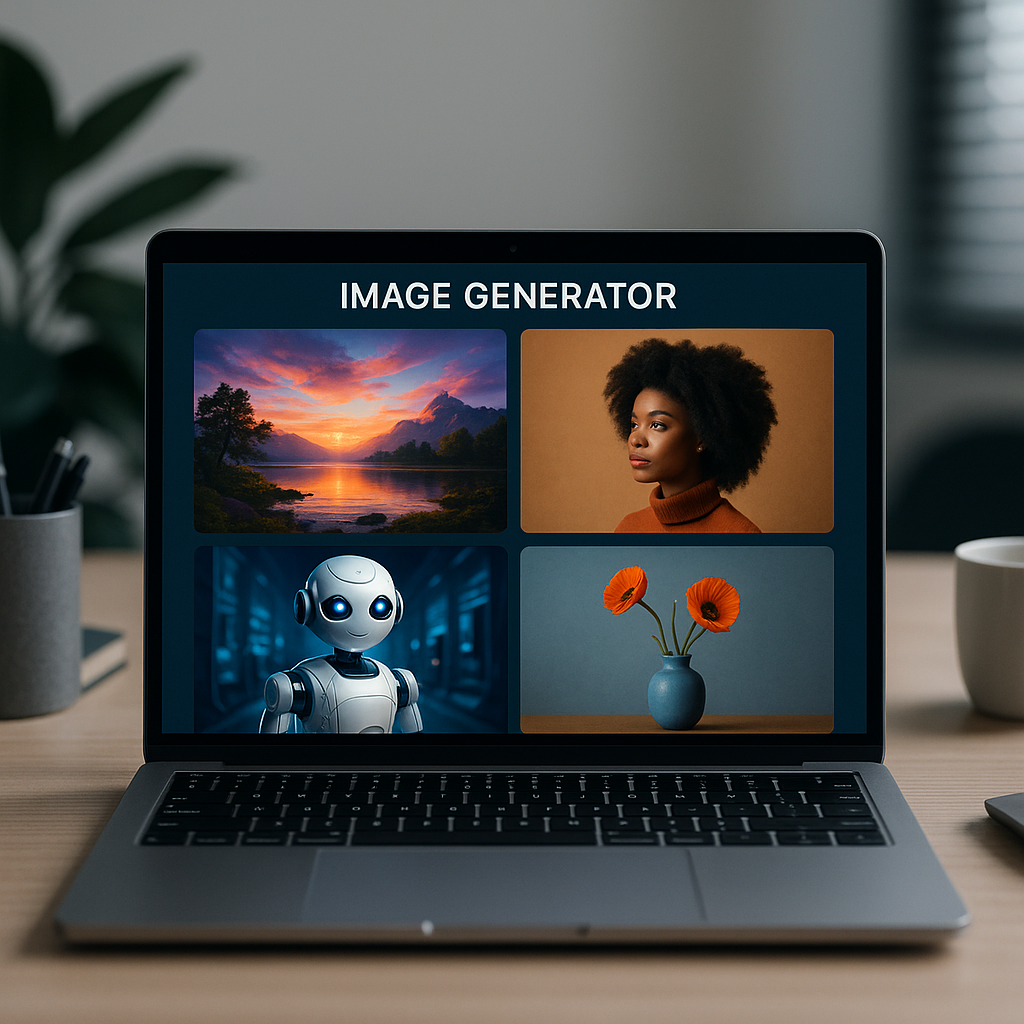
Image Generators
In recent years, the rise of artificial intelligence has revolutionized various sectors, and one of the most captivating advancements has been in the realm of image generation. Driven by deep learning algorithms, AI image generators can create remarkably realistic images from textual descriptions, changing the landscape of digital art, design, marketing, and more. This technological marvel not only showcases the potential of AI but also raises significant questions about copyright, creativity, and the future of art itself.
At the heart of these image generators are sophisticated models known as Generative Adversarial Networks (GANs) and diffusion models. GANs, introduced by Ian Goodfellow in 2014, consist of two neural networks—the generator and the discriminator—working in tandem. The generator creates images from random noise, while the discriminator evaluates their authenticity. This back-and-forth process enables the generator to produce images that increasingly resemble real-world visuals. On the other hand, diffusion models, which gained popularity in 2021, take a different approach by gradually transforming a random noise image into a coherent picture through a series of steps, effectively “denoising” the image until it aligns with the input description.
Noteworthy examples of AI image generators include DALL-E, Midjourney, and Stable Diffusion. DALL-E, developed by OpenAI, is particularly famous for its ability to generate imaginative and diverse images based on whimsical prompts, such as "an armchair in the shape of an avocado." Midjourney, emerging from an independent research lab, has garnered attention for its emphasis on artistic style and aesthetic quality. Stable Diffusion, on the other hand, is an open-source model that allows users to generate high-quality images while providing flexibility and transparency in its use. Each of these tools not only demonstrates the potential of AI in art creation but also reflects varying philosophies regarding accessibility and user interaction.
The implications of AI-generated images extend beyond mere novelty. In industries such as marketing and advertising, companies are leveraging these tools to produce eye-catching visuals at a fraction of the cost and time traditionally required. Brands can quickly iterate on design concepts, customizing visuals for specific target audiences while maintaining a high level of creativity. This capability has led to a surge in content production, where companies can saturate social media platforms with engaging graphics that resonate with consumers.
Moreover, the democratization of art creation has sparked interest among amateur artists and hobbyists. With user-friendly interfaces and minimal technical know-how required, individuals can experiment with their creativity without the barriers typically associated with traditional art forms. This accessibility could lead to a new wave of artistic expression, where the line between artist and machine becomes increasingly blurred.
However, the emergence of AI-generated images has not been without controversy. One significant concern revolves around copyright and ownership. As these generators produce images based on vast datasets, often compiled from existing works, questions arise about who holds the rights to the images created. If an AI generates a piece that closely resembles the style of a well-known artist, does the creator of the AI own that image, or does the original artist have a claim? Legal frameworks worldwide are grappling with the implications of this new technology, as existing laws may not adequately address the complexities of AI-generated content.
Ethical considerations also play a crucial role in the discussion surrounding image generators. While the technology has the potential to enhance creativity, there is a risk of misuse. For example, AI-generated images can be employed to create misleading or harmful content, including deepfakes or disinformation campaigns. The ability to fabricate realistic images can lead to significant societal repercussions, necessitating a conversation about responsibility and accountability in the digital age.
Furthermore, the use of these tools raises questions about the nature of creativity itself. If a machine can produce art based on algorithms and data, what does that mean for human creativity? Some experts argue that while AI can mimic styles and generate images, it lacks the emotional depth and subjective experience that characterize human art. Conversely, others believe that AI can serve as a collaborative partner in the creative process, allowing humans to explore new avenues of expression and inspiration.
As we navigate this evolving landscape, the future of image generators appears promising yet uncertain. Innovations in AI are progressing rapidly, with ongoing research aimed at enhancing the quality and capabilities of these tools. Improvements in understanding context, cultural nuances, and aesthetic preferences could lead to even more sophisticated output that resonates with users on a deeper level.
Moreover, the integration of AI image generators into everyday applications is likely to expand. From personalized art for home decor to unique designs for fashion and merchandise, the potential applications are vast. Educational institutions are also beginning to incorporate these technologies into art and design curricula, preparing the next generation of artists to work alongside AI as a tool rather than a replacement.
In conclusion, AI image generators represent a fascinating convergence of technology and creativity, challenging our understanding of art and ownership while providing new opportunities for expression and innovation. As society grapples with the implications of this technology, it is essential to foster an ongoing dialogue about ethical practices, copyright laws, and the role of human creativity in an increasingly automated world. The future of image generation is not just about creating stunning visuals; it is about redefining what art means in the age of artificial intelligence.
Recent Posts
Breakthrough in Neural Networks: How New AI Models Revolutionize Global Tech
June 16, 2026
Head-to-Head: Comparing Neural Network Models and Their Impact on AI Work Today
June 16, 2026
New Breakthrough in Image Generators Promises to Revolutionize Artistic Expressi...
June 16, 2026
Maximum Potential
Get the full experience with Pro Plan
INFORMATION