May 2, 2026
Revolutionizing Creativity: How Image Generators Are Transforming Digital Art
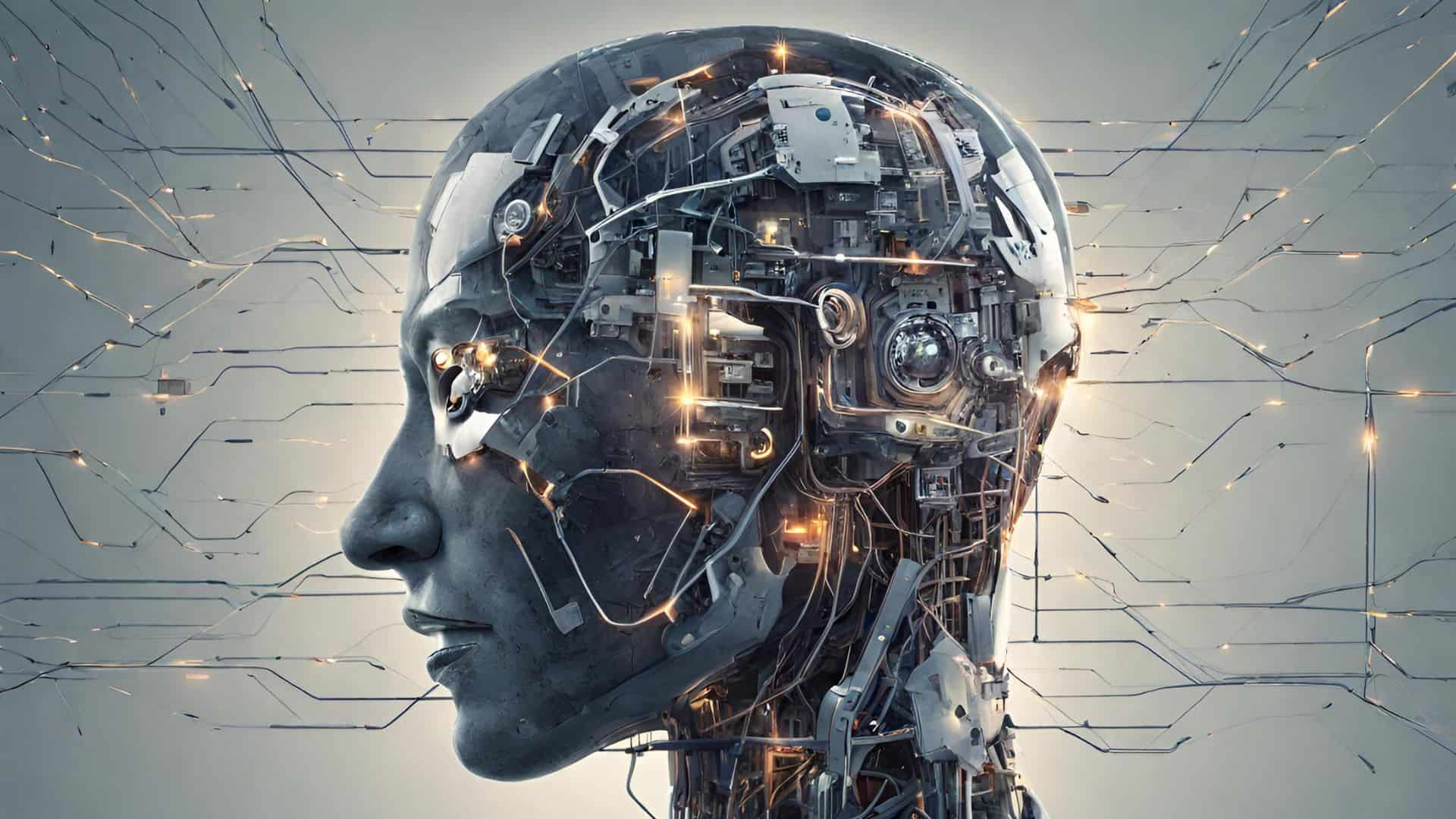
Image Generators
In recent years, the landscape of digital creativity has been transformed by the rise of image generators, advanced artificial intelligence systems that create images from textual descriptions. These tools have captured the attention of artists, marketers, and the general public, revolutionizing the way visual content is produced. From generating artwork to creating realistic images for marketing campaigns, image generators are proving to be powerful allies in various fields.
At the heart of these technologies are sophisticated algorithms that leverage deep learning and neural networks. Prominent among them are models like OpenAI's DALL-E, Midjourney, and Stable Diffusion. These systems are designed to interpret natural language input and translate it into visual representations. For instance, if a user inputs a phrase like "a sunset over a mountain range," the image generator processes the words, analyzes vast datasets of existing images, and synthesizes an original piece that captures the essence of the description.
The mechanics behind image generators involve a combination of training on extensive datasets and the application of generative adversarial networks (GANs). GANs consist of two neural networks — a generator and a discriminator — that work in tandem. The generator creates images, while the discriminator evaluates them, providing feedback that helps the generator improve. This iterative process ensures that the images produced are increasingly realistic and aligned with user input.
One of the most appealing aspects of image generators is their accessibility. Many platforms offer user-friendly interfaces that allow anyone, regardless of artistic skill, to create stunning visuals with just a few clicks. This democratization of art has opened new avenues for creativity, enabling individuals to explore their imagination without the need for traditional artistic training. Moreover, the speed at which these tools operate means that users can generate multiple variations of an idea in mere seconds, fostering a more dynamic creative process.
The impact of image generators is particularly notable in the realms of marketing and advertising. Brands are leveraging these tools to create engaging content quickly and cost-effectively. For example, a fashion retailer can generate high-quality images of clothing items modeled in various settings without the need for elaborate photoshoots. This not only saves time and resources but also allows marketers to experiment with different styles and concepts, tailoring their content to specific audiences.
However, the rise of image generators is not without its challenges and controversies. One significant concern revolves around intellectual property rights. As these tools produce original images based on existing datasets, questions arise about the ownership of the generated content. Artists and photographers worry that their work may be used to train these systems without proper attribution or compensation. This has sparked debates within the creative community about the ethical implications of using AI-generated art, and calls for clearer regulations regarding copyright in the digital age.
Additionally, there are concerns about the potential for misuse of image generators. The ability to create realistic images easily could lead to the spread of misinformation or deepfakes, where manipulated images are used to deceive the public. This has prompted discussions about the importance of transparency and accountability in the use of such technologies. Developers and platforms are under pressure to implement safeguards that can help mitigate these risks while still enabling creative expression.
The educational sector is also beginning to embrace image generators, recognizing their potential as teaching tools. In art and design courses, instructors can use these technologies to demonstrate various techniques and styles, allowing students to visualize concepts in real time. Furthermore, students can experiment with generating their own images as part of their coursework, enhancing their understanding of visual communication and creativity.
As the technology continues to evolve, image generators are expected to become even more sophisticated. Future developments may include enhanced understanding of context, allowing for deeper interpretations of user input. Moreover, the integration of augmented reality (AR) and virtual reality (VR) could open up new dimensions for creators, enabling them to produce immersive experiences that blend AI-generated visuals with real-world environments.
The intersection of creativity and technology is a fascinating space, and image generators are at the forefront of this evolution. As artists and creators adapt to these new tools, they are discovering innovative ways to incorporate AI into their workflows, blending traditional techniques with modern capabilities. The potential for hybrid art forms that combine human intuition with machine-generated imagery is vast, and the future promises an even richer tapestry of visual culture.
In conclusion, image generators represent a significant advancement in the field of digital creativity, offering unprecedented opportunities for artists, marketers, and educators alike. While challenges remain regarding ethical use and intellectual property, the benefits of these tools in fostering creativity and streamlining content production are clear. As technology continues to evolve, it will be exciting to see how image generators shape the future of visual storytelling and artistic expression.
Recent Posts
Breakthrough in Neural Networks: How New AI Models Revolutionize Global Tech
June 16, 2026
Head-to-Head: Comparing Neural Network Models and Their Impact on AI Work Today
June 16, 2026
New Breakthrough in Image Generators Promises to Revolutionize Artistic Expressi...
June 16, 2026
Maximum Potential
Get the full experience with Pro Plan
INFORMATION