May 6, 2026
Revolutionizing Creativity: How Image Generators are Transforming Visual Art
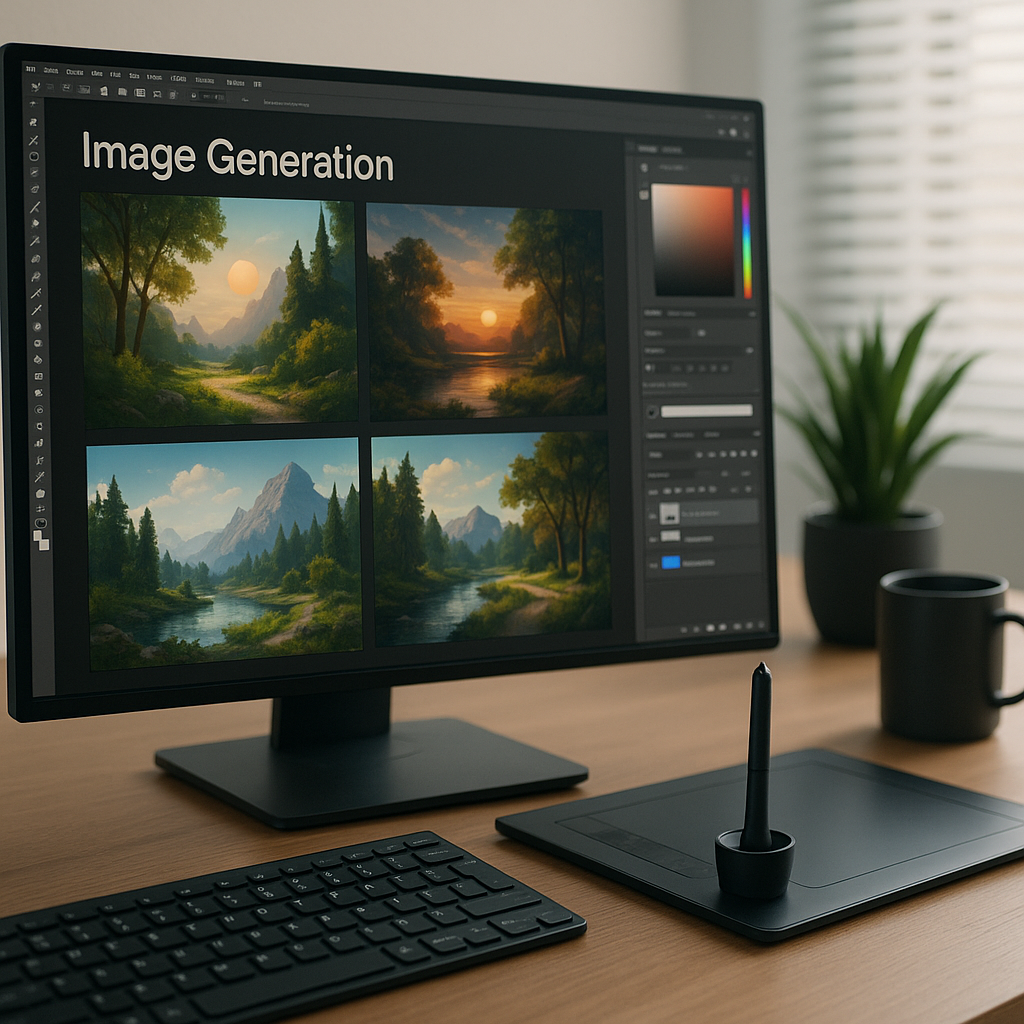
Image Generators
In recent years, image generators have taken the world by storm, transforming the way artists, designers, and everyday users approach visual content creation. Utilizing advanced algorithms and artificial intelligence, these tools are capable of producing stunning images from scratch or modifying existing ones based on user prompts. The implications of this technology reach far beyond mere aesthetics, affecting industries such as advertising, fashion, gaming, and even social media.
The rise of image generators can largely be attributed to rapid advancements in deep learning and neural networks, particularly Generative Adversarial Networks (GANs). GANs consist of two neural networks—one generates images while the other evaluates them. This interplay allows for constant improvement, as the generator learns to create images that are increasingly indistinguishable from real ones. The introduction of models like OpenAI's DALL-E, Midjourney, and Stability AI's Stable Diffusion has made it possible for anyone to create unique visual content with just a few words or a simple sketch.
The accessibility of these tools has democratized art and design, breaking down barriers that once limited creativity to those with extensive training. A user can now input a phrase such as "a serene landscape at sunset" and receive an array of visually captivating images in seconds. This capability not only empowers amateur artists but also accelerates the creative process for professionals, allowing them to explore new ideas and visualize concepts without the usual time constraints.
However, the proliferation of image generators has sparked debates over originality and copyright. As these tools learn from vast datasets that include countless existing artworks, questions arise about ownership and the ethical implications of using AI-generated images. Critics argue that if an image is created based on the styles or techniques of established artists, it may infringe on their intellectual property. In contrast, proponents highlight that these generators can serve as a new medium of expression, rather than a replacement for traditional art forms.
Moreover, the rise of image generators has significant implications for industries reliant on visual content. In advertising, brands can quickly produce tailored graphics for campaigns, reducing the time and cost associated with traditional design processes. In fashion, designers can experiment with new patterns and styles, generating entire collections in a fraction of the time it would take using conventional methods. This rapid prototyping has the potential to reshape how products are developed and marketed, fostering a culture of innovation.
In the gaming industry, image generators are revolutionizing character and environment design. Game developers can leverage these tools to create expansive worlds and intricate characters without needing extensive art teams. This efficiency not only speeds up production timelines but also allows for greater experimentation, enabling developers to push creative boundaries. As games increasingly rely on immersive visuals, the role of image generators will likely become more pronounced.
Social media platforms have also felt the effects of image generation technology. Users are now able to generate eye-catching visuals to enhance their online presence, leading to a surge in creativity among content creators. Influencers and marketers are utilizing these tools to produce unique graphics that stand out in a crowded digital landscape. This has prompted platforms to consider how they can integrate AI-generated content into their ecosystems, potentially leading to new features and functionalities.
Despite the many advantages, the rise of image generators is not without its challenges. As with any technology, there are concerns regarding misuse. The potential for creating deepfakes or misleading images poses a significant risk, particularly in a time when misinformation can spread rapidly online. Companies developing these tools are grappling with how to implement safeguards and ensure that users engage with the technology responsibly.
Furthermore, the conversation surrounding the future of creativity in an AI-driven world is evolving. While many see image generators as tools that enhance the creative process, others worry about the implications for artists and designers. Will the human touch be lost in the pursuit of efficiency? Can AI-generated art coexist with traditional forms, and how will this affect the perception of artistic value? These questions remain at the forefront of discussions in creative communities.
As image generators continue to evolve, the role of the human artist is also likely to transform. Rather than being replaced, human creativity may be augmented by these tools, allowing artists to focus on higher-level concepts and storytelling while delegating the more technical aspects of image creation to AI. This shift could lead to a renaissance of creativity, where artists harness the power of technology to push their work into new dimensions.
Looking ahead, the future of image generators is promising yet complex. As technology advances, it will be crucial for developers, artists, and users to engage in ongoing dialogues about ethics, copyright, and the nature of creativity. Initiatives aimed at establishing guidelines for the responsible use of AI-generated content are essential to fostering a sustainable ecosystem that respects artistic integrity while embracing innovation.
In conclusion, image generators represent a significant leap forward in the intersection of technology and creativity. By democratizing access to visual content creation, these tools are reshaping industries and sparking new forms of artistic expression. As this technology continues to develop, it will undoubtedly inspire new avenues of creativity while challenging our understanding of art, ownership, and the role of human creativity in an increasingly automated world. The conversation is just beginning, and how society navigates this landscape will define the future of art and design.
Recent Posts
Breakthrough in Neural Networks: How New AI Models Revolutionize Global Tech
June 16, 2026
Head-to-Head: Comparing Neural Network Models and Their Impact on AI Work Today
June 16, 2026
New Breakthrough in Image Generators Promises to Revolutionize Artistic Expressi...
June 16, 2026
Maximum Potential
Get the full experience with Pro Plan
INFORMATION