March 28, 2026
Revolutionizing Creativity: How Image Generators Are Transforming Visual Content
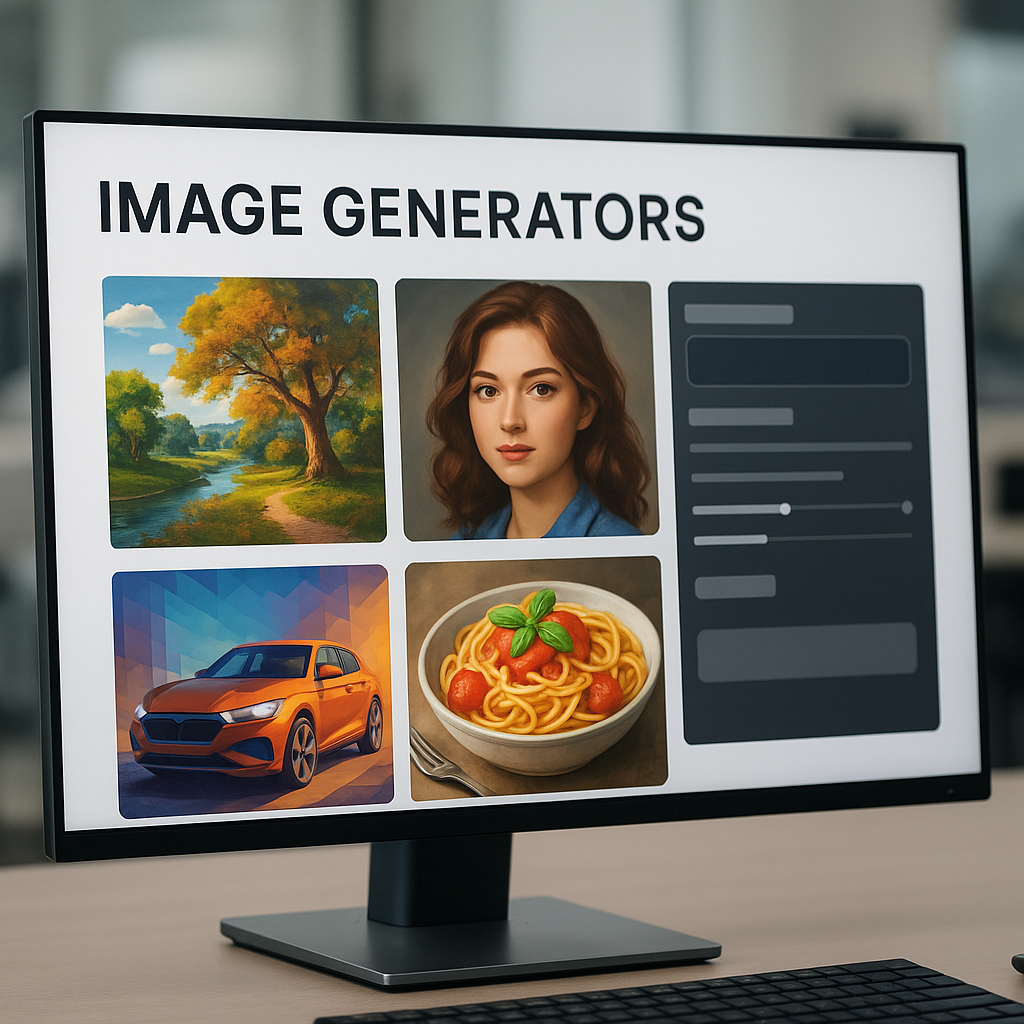
Image Generators
In recent years, the rise of artificial intelligence has transformed various sectors, and one of the most fascinating developments has been the emergence of image generators. These AI-powered tools, capable of creating stunning visuals from simple text prompts, have captured the imagination of artists, marketers, and technologists alike. From generating realistic portraits to fantastical landscapes, image generators are reshaping the landscape of digital creativity.
At the core of these systems are complex algorithms and neural networks that learn from vast datasets of images and associated textual descriptions. Models like OpenAI's DALL-E, Midjourney, and Stability AI's Stable Diffusion are at the forefront of this revolution, leveraging deep learning techniques to interpret and synthesize images based on user input. The process typically involves two main components: a text encoder that understands the provided prompt and a generative model that creates images based on that understanding.
One of the most significant advantages of image generators is their accessibility. Artists and designers who may lack extensive technical skills can use these tools to bring their ideas to life with minimal effort. For instance, a simple description like "a serene forest at sunset" can yield a stunning artwork that captures the essence of the prompt in mere seconds. This democratization of creativity has inspired a new wave of artistic expression, empowering individuals to explore their creative potential without the traditional barriers of skill and resources.
Furthermore, the applications of image generators extend beyond the realm of art. In marketing and advertising, these tools can produce eye-catching visuals tailored to specific campaigns, allowing businesses to create unique content quickly and efficiently. Companies can generate product images, social media graphics, and promotional materials that resonate with their target audience, all while significantly reducing costs associated with traditional photography and graphic design.
However, the rapid advancement of image generation technology has also raised ethical concerns. As AI-generated images become indistinguishable from real photographs, questions arise about authenticity and ownership. The ability to create hyper-realistic images raises the specter of misinformation, with the potential for misleading visuals to spread rapidly across social media. This has sparked a debate about the need for regulations and policies governing the use of AI-generated content, particularly in sectors like journalism, where trust and accuracy are paramount.
Moreover, issues of copyright and intellectual property are becoming increasingly complex. When an image is generated based on a user's input, who owns the rights to that image? Is it the user who provided the prompt, the developers of the AI model, or is it a shared ownership? Legal experts are grappling with these questions, and as image generation technology continues to evolve, so too will the legal frameworks surrounding it.
Another area of concern lies in the potential for bias in AI-generated imagery. The datasets used to train these models often reflect societal biases, which can lead to the generation of images that perpetuate stereotypes or exclude certain demographics. For example, if an image generator is trained primarily on images of white individuals, it may struggle to accurately represent people of color. Addressing these biases is crucial to ensure that image generation technology serves as an inclusive tool for all users.
Despite these challenges, the future of image generators looks promising. As the technology matures, we can expect improvements in the quality and diversity of generated images. Researchers are continuously working on refining algorithms to reduce bias, enhance realism, and provide users with more control over the generated content. New features, such as style transfer and image editing capabilities, are also being integrated into these platforms, allowing for a more personalized creative process.
Furthermore, the rise of image generators has sparked a thriving online community of creators and enthusiasts. Platforms like DeviantArt and ArtStation are witnessing a surge in AI-generated art, fostering discussions about the role of technology in the creative process. Artists are collaborating with AI, using these tools to push the boundaries of their work and explore new artistic avenues. This synergy between human creativity and artificial intelligence is redefining the very nature of art and expression.
Education is also adapting to this new landscape. Institutions are beginning to incorporate AI tools into their curricula, teaching students how to leverage image generators as part of their creative toolkit. By blending traditional artistic techniques with cutting-edge technology, educators aim to prepare the next generation of artists for a world where AI plays an integral role in the creative process.
As we look ahead, it is essential for stakeholders across industries to engage in conversations about the ethical implications of image generators. Collaborations between technologists, artists, legal experts, and policymakers will be crucial in establishing guidelines that promote responsible usage while fostering innovation. The dialogue surrounding AI-generated content will shape the future of creativity, ensuring that these tools enhance, rather than diminish, the human experience.
In summary, image generators represent a remarkable intersection of art and technology, offering unprecedented opportunities for creativity and innovation. While challenges related to ethics, bias, and ownership persist, the potential of these tools is undeniable. As society navigates this evolving landscape, fostering a balanced approach that embraces the benefits of AI while addressing its complexities will be key to unlocking the full potential of image generation technology.
Recent Posts
Breakthrough in Neural Networks: How New AI Models Revolutionize Global Tech
June 16, 2026
Head-to-Head: Comparing Neural Network Models and Their Impact on AI Work Today
June 16, 2026
New Breakthrough in Image Generators Promises to Revolutionize Artistic Expressi...
June 16, 2026
Maximum Potential
Get the full experience with Pro Plan
INFORMATION