April 24, 2026
Revolutionizing Creativity: How Image Generators Are Transforming Visual Content
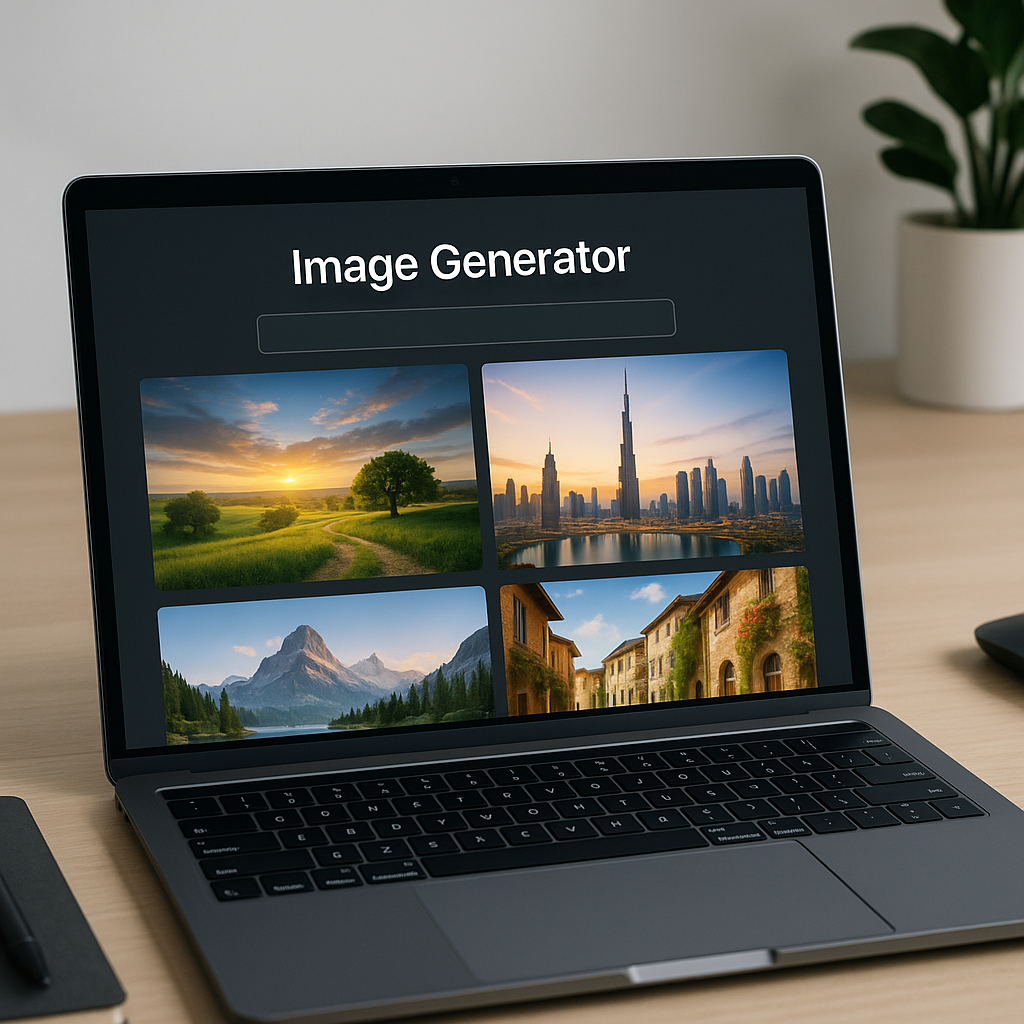
Image Generators
In recent years, the rise of image generators has transformed the landscape of digital content creation, fueling both innovation and controversy. These sophisticated artificial intelligence (AI) systems utilize deep learning algorithms to produce images based on user inputs. From realistic portraits to fantastical landscapes, image generators are reshaping how artists, designers, and marketers approach their creative processes.
At the core of these technologies is a branch of AI known as Generative Adversarial Networks (GANs). Invented in 2014 by Ian Goodfellow and his collaborators, GANs consist of two neural networks—the generator and the discriminator—working in opposition to create and refine images. The generator produces images, while the discriminator evaluates them, providing feedback that allows the generator to improve over time. This iterative process enables GANs to produce increasingly realistic visuals that can often be indistinguishable from those created by human hands.
One of the most popular image generators is OpenAI's DALL-E, which captures the imagination of users by creating images from textual descriptions. Launched in early 2021, DALL-E gained widespread attention for its ability to generate unique and whimsical images that align closely with specified prompts. For instance, a user could request an “armchair in the shape of an avocado,” and DALL-E would deliver a visually coherent representation of that concept. Such capabilities are not only entertaining but also have practical applications in fields like marketing, advertising, and product design.
Another notable player in the market is Midjourney, an AI tool that allows users to generate images through a Discord interface. Midjourney quickly gained traction due to its community-driven approach, where users can share their creations and collaborate on projects. This fosters a vibrant ecosystem of creativity, with users experimenting with prompts and settings to push the boundaries of what the AI can produce. Midjourney’s focus on stylization has attracted artists looking to enhance their work with AI-generated visuals, further blurring the lines between human and machine creativity.
Moreover, Stability AI’s Stable Diffusion has made headlines for its open-source model, which empowers users to create images with high-resolution outputs. The accessibility of such technologies democratizes the art-making process, allowing individuals without formal training to experiment with image generation. As a result, a new wave of content creators is emerging, unleashing creativity in ways previously thought unattainable. The ease of use and rapid output generated by these tools has sparked a surge of interest across various sectors.
However, the proliferation of image generators is not without its challenges and ethical concerns. One of the most pressing issues revolves around copyright and intellectual property. As these AI systems learn from vast datasets of existing images, questions arise regarding the ownership of the generated content. If an AI creates a piece of art that closely resembles an artwork from a human artist, who holds the rights? Legal frameworks surrounding copyright are struggling to keep pace with technological advancements, leading to a murky landscape where artists may feel vulnerable.
Furthermore, the potential for misuse of image generators raises alarm bells among ethicists and technologists alike. The ability to create hyper-realistic images can be weaponized for misinformation campaigns, deepfakes, or even the manipulation of public opinion. As the technology becomes more sophisticated, distinguishing between genuine content and AI-generated fabrications may prove increasingly difficult, undermining trust in digital media.
To address these concerns, some companies and researchers are advocating for ethical guidelines and best practices surrounding the use of AI in creative fields. Initiatives aimed at developing transparent datasets and ensuring fair use of source materials are being discussed within the industry. Additionally, the implementation of watermarking techniques could help identify AI-generated images, providing viewers with context and clarity about the origins of digital content.
Amidst the discussions of ethics and ownership, the potential benefits of image generators cannot be overlooked. For businesses, these tools present opportunities for rapid prototyping and design iterations. Companies can generate visual concepts on the fly, expediting the creative process and enhancing productivity. This is particularly valuable in industries where visual content is critical, such as fashion, gaming, and advertising. The ability to visualize concepts before committing resources can save time and reduce costs, making image generators an attractive asset for companies looking to innovate.
In the realm of education, image generators hold the promise of enhancing learning experiences. Art students can utilize these tools to explore new techniques and styles, pushing their creative boundaries. Educators can integrate AI-generated visuals into their curricula, engaging students in discussions about technology, ethics, and the future of creativity. As image generators become more mainstream, their potential to inspire and educate is becoming increasingly apparent.
The intersection of technology and art has historically been a space of exploration and experimentation. From photography to digital art, each advancement has brought about new paradigms of creativity. Image generators represent the latest evolution in this ongoing journey, challenging traditional notions of authorship and artistic expression. As the capabilities of AI continue to evolve, the dialogue surrounding these technologies will undoubtedly expand, encompassing a wide range of perspectives from artists, technologists, ethicists, and the general public.
Looking forward, it is clear that image generators are here to stay. Their impact on the creative landscape will only grow as advancements in AI technology continue to emerge. As artists and creators navigate this new terrain, they will need to balance the opportunities presented by these tools with the ethical considerations that accompany them. The future of art may very well depend on how society chooses to integrate these technologies into the fabric of creative expression.
Recent Posts
Breakthrough in Neural Networks: How New AI Models Revolutionize Global Tech
June 16, 2026
Head-to-Head: Comparing Neural Network Models and Their Impact on AI Work Today
June 16, 2026
New Breakthrough in Image Generators Promises to Revolutionize Artistic Expressi...
June 16, 2026
Maximum Potential
Get the full experience with Pro Plan
INFORMATION