May 17, 2026
Separating Fact from Fiction: A Reality Check on Image Generators Today
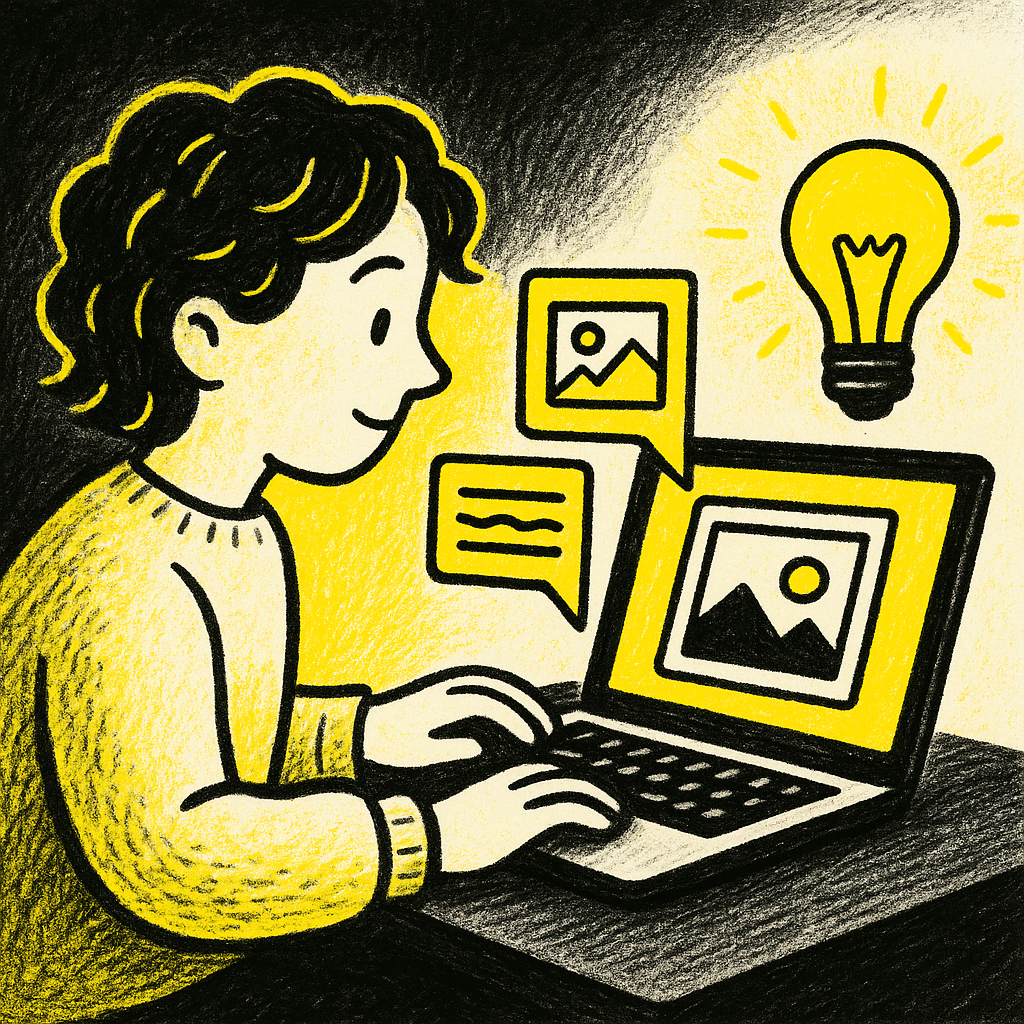
Image Generators
In recent years, image generators powered by artificial intelligence (AI) have surged in popularity, captivating artists, marketers, and the general public alike. These tools can create stunning visuals from simple text prompts, sparking creativity across various fields. However, with their rise has come a multitude of myths and misconceptions that cloud the understanding of how these technologies work and their implications. This article aims to debunk some of these myths while providing a comprehensive reality check on image generators.
Myth 1: Image Generators Are Perfectly Accurate
One common misconception is that image generators produce flawless images with perfect accuracy based on user prompts. In reality, while these models are impressive, they are not infallible. AI algorithms use vast datasets to learn patterns and generate images; however, they often struggle with specific details or complex scenarios. Users may find that certain elements in generated images do not match their expectations or contain unusual artifacts.
For instance, an image generator might struggle with creating realistic human faces or handling intricate backgrounds. While the technology continues to improve—thanks to advancements in deep learning—the output may still exhibit inaccuracies or unexpected variations.
Myth 2: AI Will Replace Human Artists
Another significant myth is the notion that AI-generated imagery will render human artists obsolete. While AI can produce striking visuals at unprecedented speeds, it cannot replicate the depth of human creativity and emotional expression. Artists bring personal experiences, cultural context, and unique perspectives to their work that transcend mere replication of existing styles or themes.
Moreover, many artists utilize image generators as tools to inspire their creative process rather than replace it. By combining AI-generated outputs with their artistic flourishes, they can take advantage of new ideas while maintaining the irreplaceable touch that comes from human involvement.
Myth 3: Image Generators Can Understand Context
A popular belief is that image generators possess contextual understanding akin to human cognition. However, this is not entirely accurate. These systems primarily operate based on learned associations in data rather than true comprehension of context or nuance. For example, when generating an image based on the phrase “a cat playing chess,” an AI model may create something visually appealing but lack nuanced interpretations of chess strategies or emotions related to playfulness.
This limitation means users must provide clear prompts and sometimes refine their requests multiple times to achieve satisfactory results. The intricacy lies in recognizing that although AI can mimic stylistic attributes and understand language correlations to a degree, it does not genuinely “understand” in any human sense.
Myth 4: All Generated Images Are Copyright-Free
An increasingly debated point is whether images created by AI are free for public use without restrictions. While some platforms allow users rights-free access to generated content for personal or commercial purposes, others impose specific licenses governing usage rights and ownership. Furthermore, many companies behind these technologies employ trained models on datasets containing copyrighted materials.
This raises important questions regarding intellectual property and ethical considerations around ownership rights for both creators and users of AI-generated art. A thorough understanding of each platform's policies is essential before utilizing generated content commercially or publicly.
Reality Check: The Technology Behind Image Generators
The underlying technology behind image generators typically involves neural networks known as Generative Adversarial Networks (GANs) or transformer-based models like DALL-E and Midjourney. GANs consist of two competing networks—the generator creates images from random noise while the discriminator evaluates them against real images—ultimately refining output through continuous feedback loops.
On the other hand, transformer-based models leverage extensive textual descriptions along with large training datasets comprising diverse forms of visual art. These advancements enhance the ability to generate coherent images from simple prompts but also underscore inherent limitations discussed above.
The Future Landscape: Collaboration Over Competition
As we look toward the future landscape shaped by image generation technologies, collaboration between humans and machines stands out as a promising path forward rather than outright competition between the two mediums. Artists can explore innovative ways to incorporate AI-assisted tools into their workflows by enhancing creativity while staying true to personal artistic identities.
- Curation: Artists can curate collections where traditional art meets digital outputs inspired by machine-generated ideas.
- Edit & Enhance: Using generated visuals as rough drafts allows artists time-saving opportunities for refinement instead of starting entirely from scratch.
- Thematic Exploration: Image generators provide fresh perspectives on themes artists wish to explore more deeply through varying styles offered by different algorithms.
This evolving collaboration fosters mutual benefit rather than a perceived threat posed by technology alone—a shift towards artistry amplified rather than diminished through innovation."
A Conclusion in Progress
The world of image generation remains dynamic and ever-evolving as new developments arise every day. Acknowledging myths while uncovering realities paves the way for informed discussions about artistic integrity in an age dominated by digital innovation—and opens doors for collaborative possibilities that redefine creativity altogether.
Recent Posts
Breakthrough in Neural Networks: How New AI Models Revolutionize Global Tech
June 16, 2026
Head-to-Head: Comparing Neural Network Models and Their Impact on AI Work Today
June 16, 2026
New Breakthrough in Image Generators Promises to Revolutionize Artistic Expressi...
June 16, 2026
Maximum Potential
Get the full experience with Pro Plan
INFORMATION