June 9, 2026
Separating Fact from Fiction: The Truth Behind Image Generators Unveiled
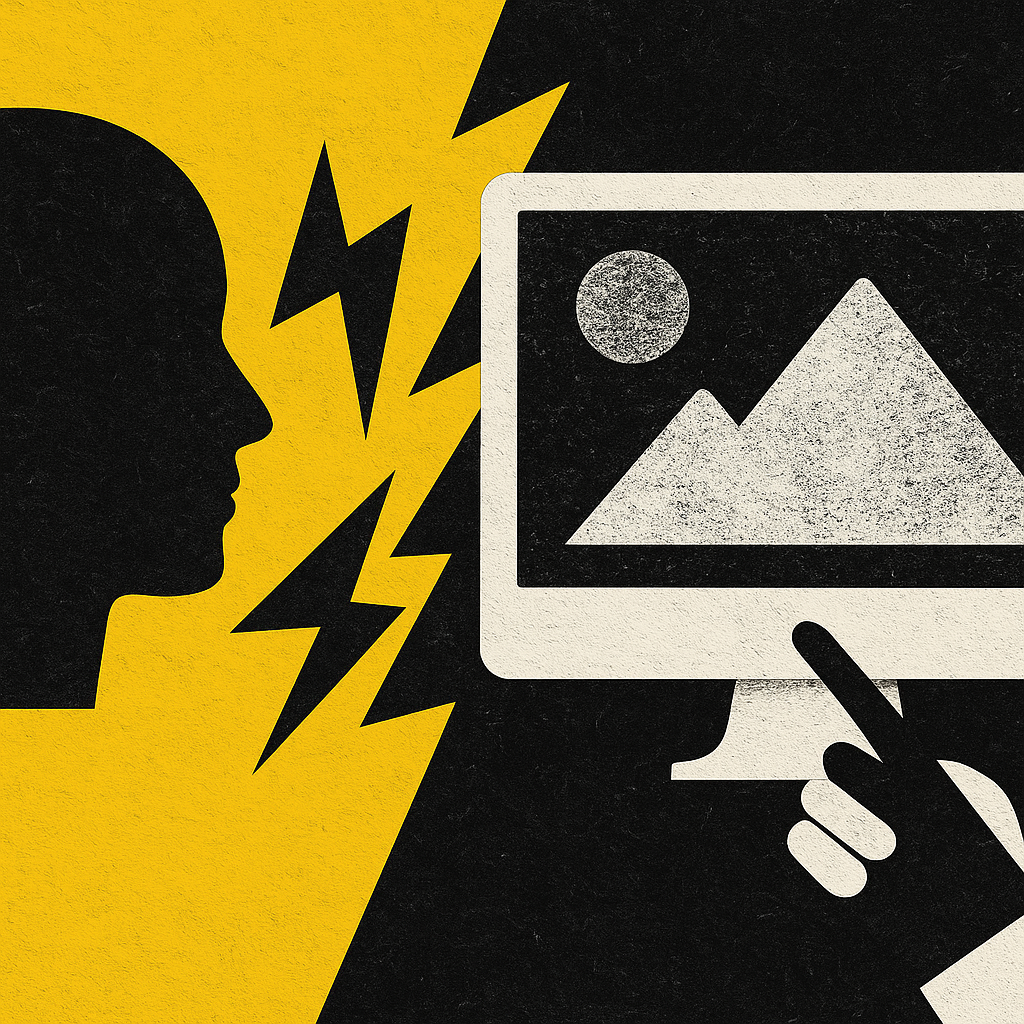
Image Generators
In recent years, image generators powered by artificial intelligence have surged in popularity, captivating the imaginations of artists, marketers, and tech enthusiasts alike. However, as with any breakthrough technology, misconceptions abound. This article aims to clarify common myths about image generators while providing a reality check on their capabilities and limitations.
Myth 1: Image Generators Can Create Perfect Images Every Time
One of the most prevalent myths surrounding AI-based image generators is their supposed ability to produce flawless images instantaneously. While these systems can generate impressively realistic and imaginative visuals, they are not infallible. The underlying algorithms depend heavily on training data, which means that the quality of output can vary dramatically based on several factors such as the diversity and volume of input images.
Reality Check: Image generators often require multiple iterations to produce a satisfactory result. Even seasoned users may find themselves sifting through various outputs before arriving at an image that meets their standards. Moreover, artifacts—such as unexpected distortions or nonsensical elements—can appear in generated images, underscoring that perfection remains elusive.
Myth 2: AI Image Generators Replace Human Artists
The idea that AI will eliminate the need for human creativity is another myth circulating around image generators. Detractors argue that automated tools could render artists obsolete. However, this perspective overlooks the nuances of artistic expression that machines simply cannot replicate.
Reality Check: The role of human creativity is paramount in utilizing image generators effectively. Artists are increasingly using these tools as collaborators rather than replacements; they leverage AI to brainstorm ideas or refine concepts but still invest time and skill into finalizing artistic projects. Moreover, the distinctiveness of human emotion and cultural context continues to drive artistic creation—a realm where machine intelligence currently lacks depth.
Myth 3: All Image Generators Work the Same Way
Many people assume that all AI-driven image generation tools operate under the same principles and yield similar results. While various models like GANs (Generative Adversarial Networks) or diffusion models have contributed to advancements in this space, each system has unique features and algorithms guiding its processes.
Reality Check: Understanding these differences can enhance users' experiences with specific tools. For instance, while some generators excel at producing photorealistic images based on textual prompts (such as DALL-E), others are tailored for abstract art or stylization (like DeepArt). Users should explore different platforms according to their creative needs rather than relying solely on one tool.
Myth 4: Image Generation Is Inaccessible to Non-Experts
The belief that only tech-savvy individuals or professionals can harness the power of AI image generation perpetuates a barrier against broader adoption. While initial models required specialized knowledge in machine learning for training or implementation, today’s landscape has evolved substantially.
Reality Check: Many user-friendly platforms now enable everyday users—including those without advanced technical skills—to create stunning visuals easily. These services offer intuitive interfaces alongside customizable features allowing users to adjust parameters or choose styles effortlessly. Consequently, anyone with a creative vision can explore this exciting frontier.
Myth 5: Generated Images Are Always Original
A common misconception is that every image generated by AI is entirely original and free from any influence from existing artworks. Some believe these systems create art ex nihilo (from nothing), while others worry about copyright infringement due to potential overlaps with pre-existing works.
Reality Check: Most contemporary AI image-generating tools learn from vast datasets composed primarily of publicly available images—sometimes including famous works without explicit permission from creators. As such, although generated outputs may seem innovative at first glance, they often reflect mediated interpretations shaped by their training data rather than true originality.
A Closer Look at Ethical Considerations
The rise of image generators raises important ethical questions related to ownership rights and creative integrity within digital spaces. Notably, who owns an artwork created via an AI tool? Is it the programmer behind the technology? The user who initiated it? Or perhaps society at large due to shared cultural influences?
This ambiguity necessitates ongoing discussions regarding copyright policies relevant both now and well into future developments in artificial intelligence art generation technologies as they continue evolving rapidly alongside legal frameworks designed around traditional forms of artistry.
A Future Driven by Collaboration
The narrative surrounding AI image generators should pivot towards collaboration between human creativity and technological advancement rather than viewing them purely as threats or replacements for traditional artistry roles within society—especially since we inhabit an era marked by rich interdisciplinary exchanges across sectors ranging from design through film production!
An encouraging aspect lies in how many artists envision working alongside these systems toward enriching their innate talents further instead; enhancing rather than overshadowing one another provides exciting possibilities ahead! Without doubt—the journey forged together leads us closer toward witnessing unprecedented innovations throughout visual storytelling realms yet untapped until now!
In conclusion, while myths about image generators persist widely across public consciousness today—often exaggerated—the reality presents a more balanced truth centered around growth opportunities for creators embracing this new age technology offers them creatively! By demystifying misconceptions surrounding these innovative tools—and emphasizing responsible use—we can pave paths toward fruitful collaborations between humans & machines creating impactful visual narratives together well into future landscapes unfolding beyond imagination!
Recent Posts
Breakthrough in Neural Networks: How New AI Models Revolutionize Global Tech
June 16, 2026
Head-to-Head: Comparing Neural Network Models and Their Impact on AI Work Today
June 16, 2026
New Breakthrough in Image Generators Promises to Revolutionize Artistic Expressi...
June 16, 2026
Maximum Potential
Get the full experience with Pro Plan
INFORMATION