May 24, 2026
Steer Clear of These Frequent Image Generator Mistakes for Better Results
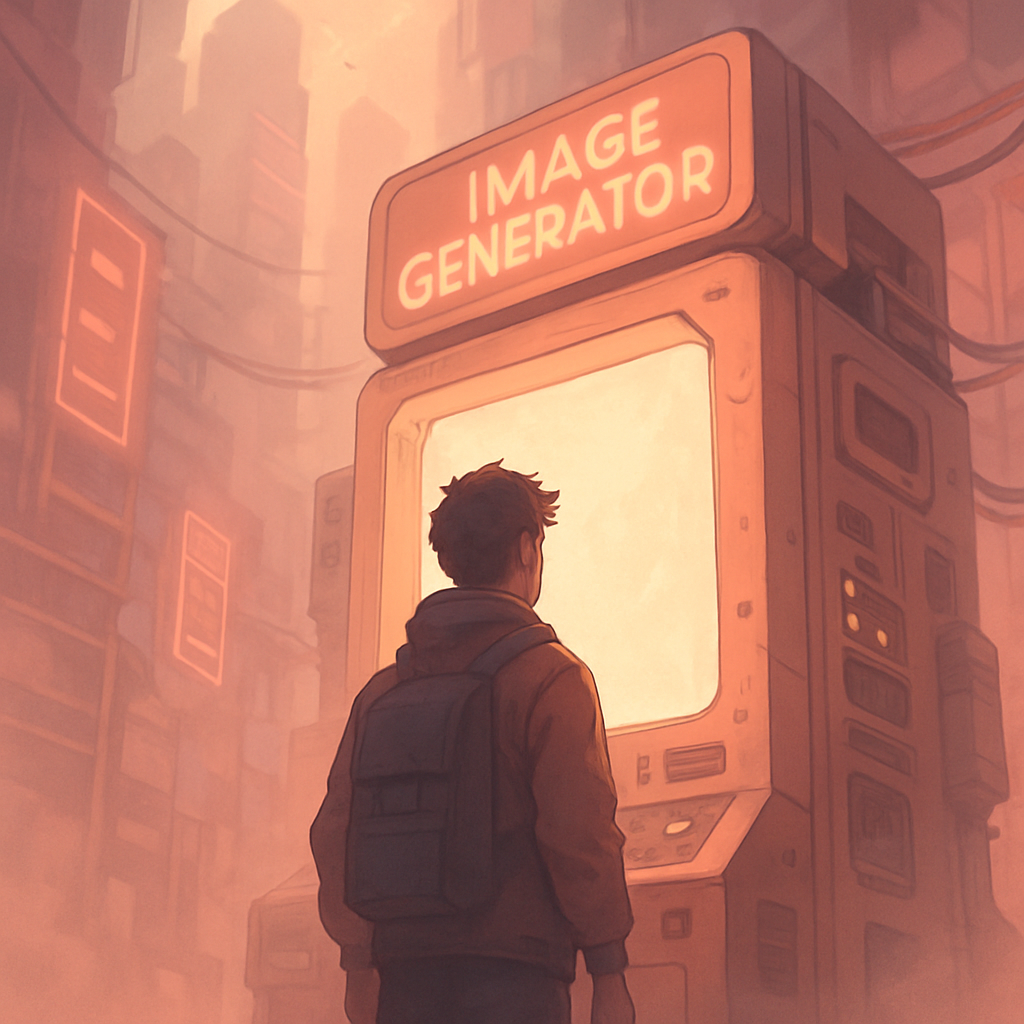
Image Generators
Image generators have surged in popularity, revolutionizing how creators, marketers, and businesses approach visual content. These sophisticated tools leverage artificial intelligence to produce stunning and unique images based on user prompts. However, despite their incredible capabilities, many users make common mistakes that can hinder the effectiveness of these generators. By understanding these pitfalls and how to avoid them, users can unlock the full potential of image generation technology.
Understanding the Technology
Before diving into common mistakes, it’s essential to understand how image generators function. Most rely on deep learning algorithms trained on vast datasets of images and their corresponding textual descriptions. Users input prompts to guide the AI in generating desired visuals, which means clarity and specificity are crucial for optimal results.
Common Mistakes in Using Image Generators
1. Lack of Specificity
A frequent error occurs when users provide vague or overly broad prompts. For instance, asking for “a landscape” instead of something like “a serene mountain landscape during autumn” can lead to unsatisfactory results. The AI struggles to interpret vague requests accurately.
How to Avoid: Always aim for precision in your prompts. Include relevant details such as style (photorealistic, cartoonish), elements you want included (trees, rivers), and specific moods or tones (tranquil, vibrant). The more information you give the generator, the better it can meet your expectations.
2. Ignoring Style Consistency
Another common blunder is not considering style consistency across multiple images intended for a single project. When users mix styles—such as combining a photorealistic image with an abstract one—it can create a disjointed visual narrative that may confuse audiences.
How to Avoid: Decide on a particular style before starting your project. Whether you prefer minimalist graphics or rich illustrations, keep this in mind throughout your creation process. If using multiple images from different generators or sessions, ensure they match stylistically by adjusting prompts accordingly.
3. Overloading Prompts with Information
Ironic as it may seem following the first point, another mistake is overloading image generators with too much information at once. A lengthy prompt filled with excessive details can be confusing for the AI and lead to cluttered or incoherent outputs.
How to Avoid: Strive for balance; be succinct while still providing necessary details in your prompt. Focus on key elements that truly matter for what you envision rather than listing every aspect you desire.
4. Poor Quality Inputs
The quality of input data significantly influences the effectiveness of image generation tools. Relying solely on low-quality reference images or poorly formulated prompts can result in subpar outputs that don’t reflect users’ intentions accurately.
How to Avoid: Use high-quality reference images wherever possible and formulate clear prompts that convey a strong concept without ambiguity. Conducting thorough research on best practices in prompt formulation can also boost your creativity and output quality.
Tips for Effective Use of Image Generators
- Create Iterative Variations:This allows fine-tuning over multiple attempts; don’t hesitate to generate variations of an image until satisfied with the final product.
- User Feedback Loop:If applicable, gather feedback from peers or target audiences who interact with your generated images to inform future uses.
- Simplify Language:If you're tackling complex concepts or visuals—break them down into simpler terms combined fluidly within each prompt.
The Importance of Experimentation
Error-making in creative pursuits isn’t a dead end; instead, it's often part of the journey toward refinement and skill development in using tools like image generators effectively. By recognizing errors made during initial attempts—users stand ready not only learn but also innovate within their projects moving forward.
This experimentation period also serves as an opportunity to familiarize oneself with various features offered by different image generation platforms—from changing styles effortlessly using platform-specific commands down through exploring various methods available within those tools themselves—all vital aspects contributing towards honing personal creative expression alongside technical prowess!
A Common Q&A Section Regarding Image Generators
- Can I use generated images commercially?
- This largely depends on licensing agreements established by individual platforms; many offer options that allow commercial use while others impose restrictions—always read terms carefully!
- Are there limitations regarding subject matter?
- Certain themes may encounter restrictions concerning ethical standards related directly towards controversial topics like violence—familiarize yourself beforehand based upon chosen platform policies!
- If my prompt fails repeatedly—is there anything else I should do?
- Tweaking language slightly around given parameters often provides different outcomes! Consider testing synonyms/related words associated closely tied back towards initial idea.”
- Additions After Generation: Are they necessary?
- Edit capabilities enable further enhancement even post-generation! Adjustments via graphic design software can help suit precisely tailored looks matching specific project requirements perfectly aligned just right!
The evolution of technology continues shaping how we perceive creativity through avenues like image generation—knowing common mistakes will ease user experiences while encouraging exploration through trial-and-error practices fostering greater artistic expression overall! With mindful application combined along stronger understanding behind effective strategies—the possibilities remain endless!
Recent Posts
Breakthrough in Neural Networks: How New AI Models Revolutionize Global Tech
June 16, 2026
Head-to-Head: Comparing Neural Network Models and Their Impact on AI Work Today
June 16, 2026
New Breakthrough in Image Generators Promises to Revolutionize Artistic Expressi...
June 16, 2026

Maximum Potential
Get the full experience with Pro Plan
INFORMATION