січень 28, 2026
Transform Your Creativity: The Rise of Image Generators in Digital Artistry
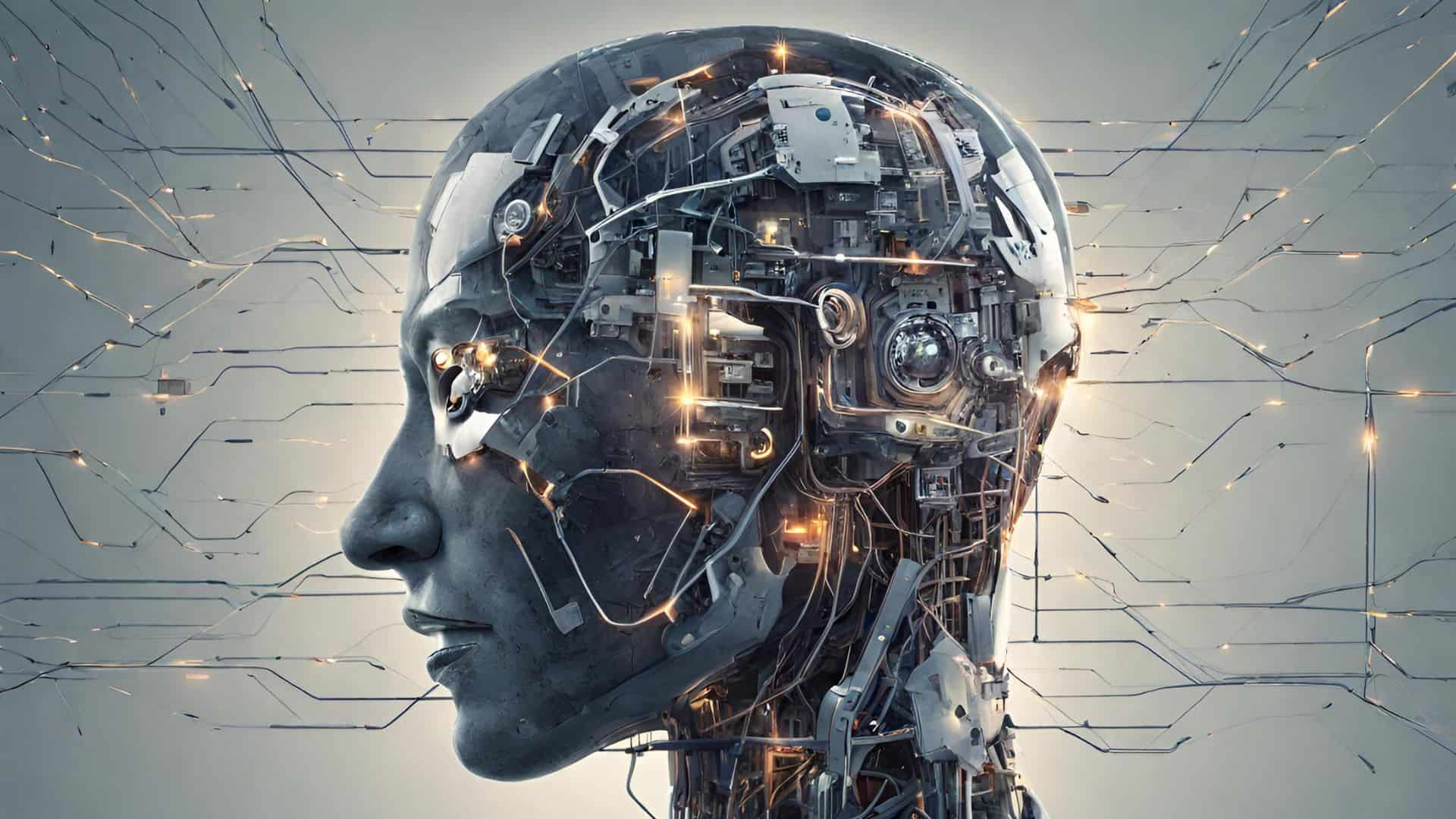
Image Generators
In recent years, the realm of artificial intelligence has witnessed a remarkable transformation, particularly in the field of image generation. Image generators, powered by sophisticated algorithms and neural networks, have emerged as a cutting-edge technology, captivating artists, designers, and tech enthusiasts alike. As these tools continue to evolve, they are not only redefining creativity but also sparking debates about ownership, originality, and the future of visual arts.
The concept of image generation is rooted in deep learning, a subset of machine learning that involves training artificial neural networks to recognise and recreate patterns in data. One of the most prominent advancements in this field has been the development of Generative Adversarial Networks (GANs). This innovative architecture involves two neural networks—the generator and the discriminator—that work in opposition to create and evaluate images. The generator produces images, while the discriminator assesses their authenticity, leading to a continuous cycle of improvement until the generated images become indistinguishable from real ones.
Among the myriad of applications for image generators, one of the most exciting is their use in creative industries. Artists are increasingly leveraging these tools to explore new realms of creativity, generating unique artworks that blend human intuition with machine learning. For instance, popular platforms like DALL-E and Midjourney allow users to input textual descriptions, which the AI then translates into stunning visuals. This fusion of technology and artistry has opened doors for both professional and amateur creators, enabling them to experiment with styles, subjects, and concepts that may have previously been out of reach.
Furthermore, image generators are proving invaluable in fields such as marketing and advertising. Companies can now produce high-quality visuals tailored to their brand identity without the need for extensive photography sessions. This not only cuts costs but also accelerates the creative process, allowing brands to respond swiftly to market trends. Customised visuals can be generated on demand, offering a level of flexibility that traditional methods cannot match.
However, the rise of image generators is not without its controversies. One of the most pressing concerns revolves around issues of copyright and ownership. As AI-generated art becomes more commonplace, questions arise about who holds the rights to these creations—the programmer who designed the algorithm, the user who input the commands, or the AI itself? This legal grey area has prompted discussions among lawmakers, artists, and technologists, as the need for new regulations becomes increasingly evident.
Moreover, the potential for misuse of image generation technology has raised alarms in various sectors. The ability to create hyper-realistic images can lead to the proliferation of deepfakes, which have already caused significant societal upheaval. Misinformation campaigns can effectively utilise these AI-generated images to manipulate public opinion, posing a threat to democratic processes and personal reputations. As a result, the need for ethical guidelines and safeguards in the use of image generators has never been more critical.
Despite these challenges, the future of image generators appears promising. As advancements in AI continue, we can expect to see even more sophisticated algorithms capable of producing increasingly complex and nuanced images. For instance, researchers are currently working on improving the contextual understanding of AI, enabling these systems to generate images that not only look realistic but also convey deeper narratives and emotions.
One notable development in this area is the integration of image generators with augmented reality (AR) and virtual reality (VR) technologies. This convergence allows for the creation of immersive environments where users can interact with AI-generated visuals in real-time. Such applications could revolutionise gaming, architecture, and training simulations, providing users with experiences that blend the physical and digital realms in unprecedented ways.
Education is another field ripe for transformation through image generation technology. Educators can utilise these tools to create engaging visual content that enhances learning experiences. For example, science teachers can generate detailed illustrations of complex biological processes, while history educators can recreate historical scenes, bringing lessons to life in a way that textbooks alone cannot achieve.
As we navigate this rapidly evolving landscape, it is vital for society to engage in meaningful conversations about the implications of image generation technology. The dialogue should encompass not only the benefits but also the ethical considerations that accompany such powerful tools. Collaboration between technologists, artists, and policymakers will be essential in establishing frameworks that promote innovation while safeguarding against potential pitfalls.
In conclusion, image generators represent a fascinating intersection of art and technology, offering exciting possibilities for creativity and expression. While they undoubtedly come with challenges, the potential benefits are immense, paving the way for new forms of visual storytelling and artistic collaboration. As we look to the future, it is clear that these AI-driven tools will play a significant role in shaping the landscape of visual arts, education, and beyond. Embracing this transformation, while addressing the ethical implications, will be crucial for harnessing the full potential of image generators in a responsible and meaningful way.
Recent Posts
Head-to-Head: Comparing Top AI Models in Работа с Нейросетями and Their Impact
червень 16, 2026
Debunking Myths: The Realities of Работа с Нейросетями and AI Models Today
червень 16, 2026
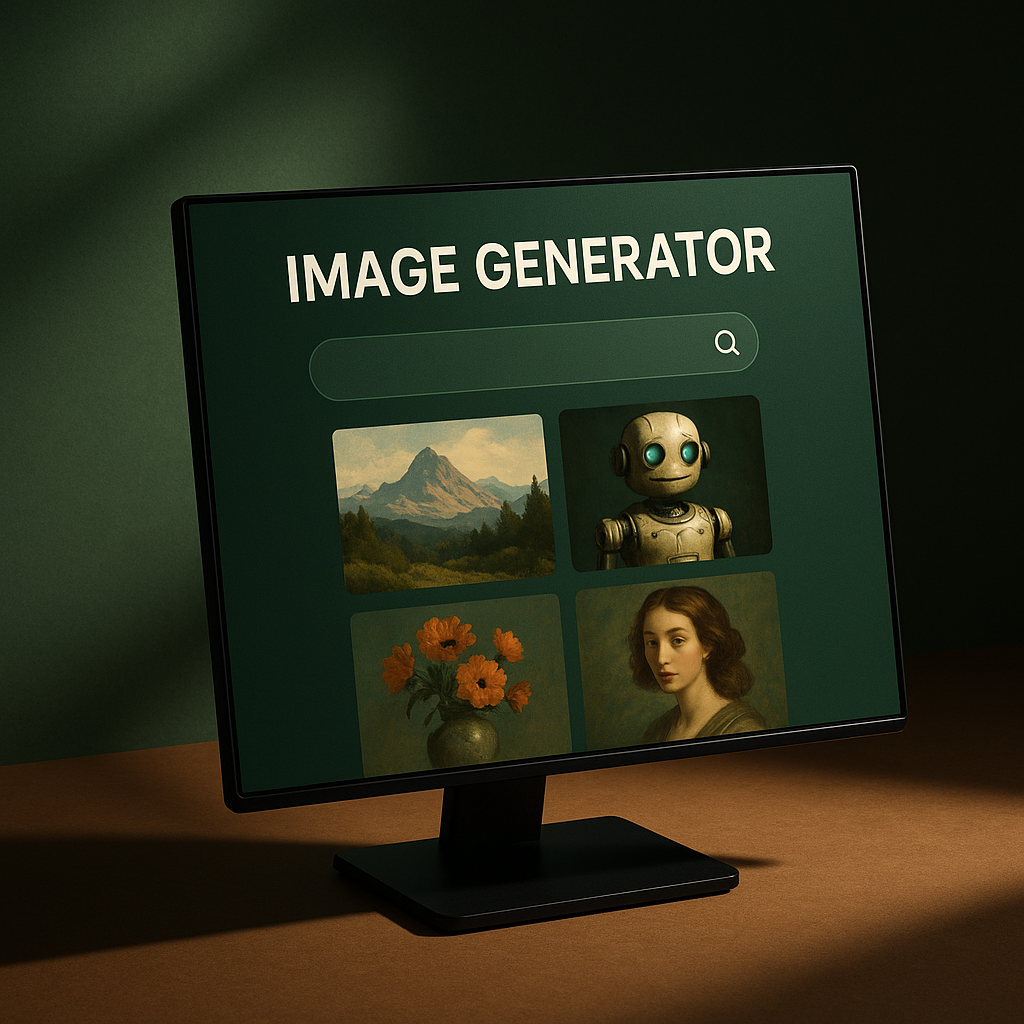
Unlocking Creativity: A Simple Guide to Using Image Generators for Beginners
червень 16, 2026

Maximum Potential
Отримайте повний досвід із планом Pro
ІНФОРМАЦІЯ