березень 12, 2026
Transform Your Imagination: How Image Generators are Revolutionising Creativity in 2023
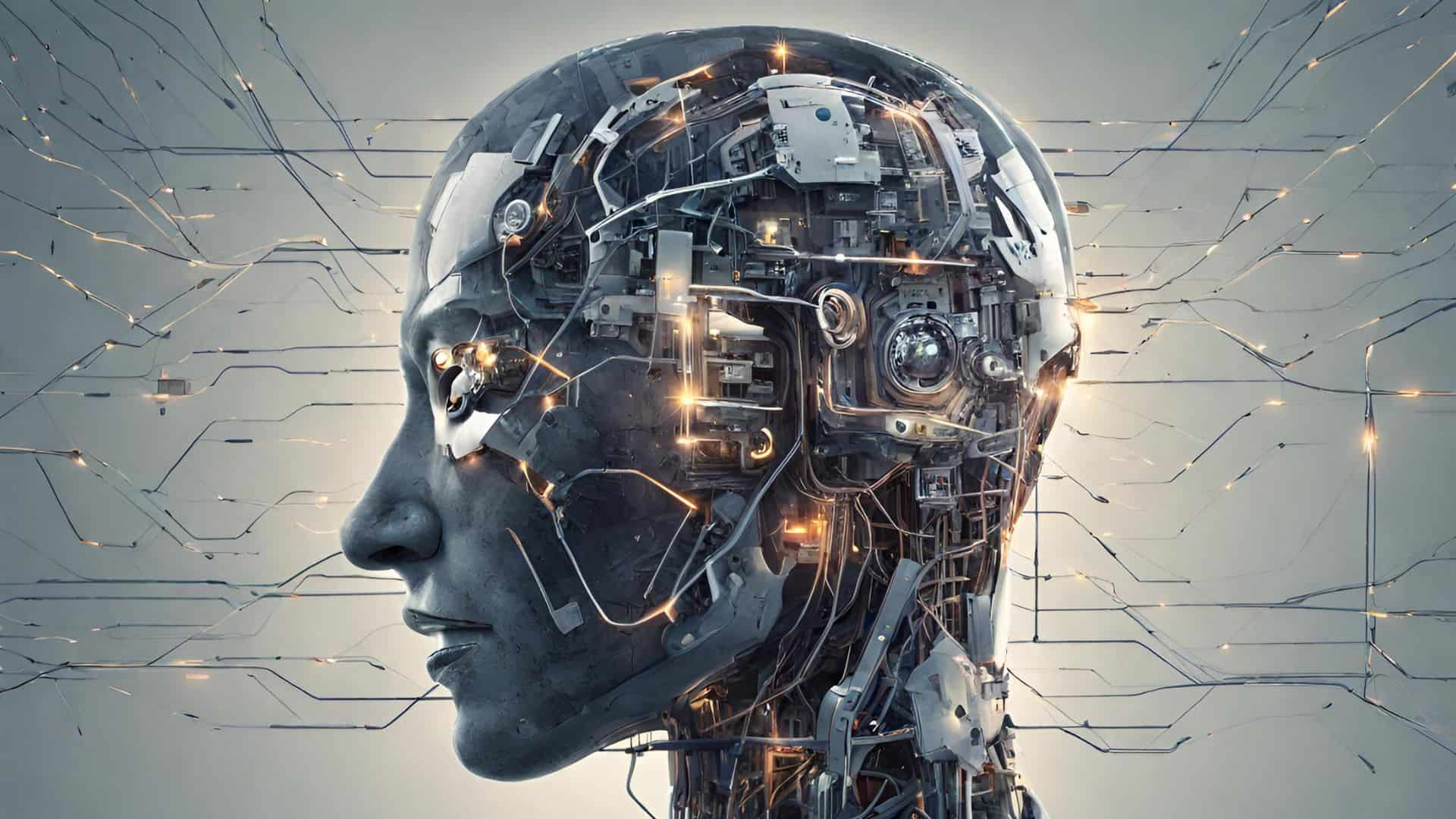
Image Generators
The landscape of digital creativity is undergoing a seismic shift with the rapid rise of image generators, powered by artificial intelligence. These sophisticated tools are transforming the way artists, designers, and everyday users produce visual content, enabling them to create stunning images with minimal effort and technical know-how. As the technology continues to evolve, the implications for various industries, including advertising, gaming, and even education, are becoming increasingly evident.
At the core of this revolution are generative adversarial networks (GANs) and other deep learning models that allow computers to learn from vast datasets of images. By analysing patterns and features, these systems can generate new images that mimic the style and composition of the input data. For instance, platforms like DALL-E, Midjourney, and Stable Diffusion have gained significant attention, allowing users to type in prompts and receive unique images based on their descriptions. This democratization of image creation is empowering individuals who may lack traditional artistic skills but possess creative ideas.
One of the most exciting aspects of image generators is their versatility. Users can create anything from hyper-realistic portraits to abstract art, landscapes, and even fantastical creatures. The potential for creativity is virtually limitless, as the only constraint is the user's imagination. This capability has led to a surge in popularity among content creators, who are using these tools to enhance their work, generate eye-catching visuals for social media, and even create original art for sale.
However, the rise of image generators is not without its controversies. One significant concern is the issue of copyright and ownership. As AI-generated images become more prevalent, questions arise about who owns the rights to these creations. When an artist uses a generator to create an image based on a prompt, is the resulting work an original piece, or is it derivative of the training data used to build the model? This dilemma has prompted discussions among legal experts, artists, and technologists about the need for new guidelines and regulations to protect intellectual property in the digital age.
Furthermore, the potential for misuse of these tools cannot be overlooked. AI-generated images can be employed to create misleading content, such as deepfakes or manipulated photographs, which can contribute to the spread of misinformation. As the technology becomes more accessible, the responsibility lies with users to apply ethical considerations in their work. This has led to calls for greater transparency in AI-generated content, including the use of watermarks to indicate when an image has been created by a machine rather than a human artist.
The educational sector is also beginning to recognise the potential of image generators. Art and design students are incorporating these tools into their creative processes, using them to explore new styles, techniques, and concepts. Educators are adapting their curricula to include lessons on AI-assisted creativity, preparing students for a future where technology and artistry are increasingly intertwined. This shift not only enhances learning experiences but also raises important questions about the role of human creativity in an era dominated by machines.
In the commercial realm, businesses are leveraging image generators to streamline their creative processes. Marketing teams are using these tools to generate high-quality visuals for campaigns, reducing the time and cost associated with traditional photography and graphic design. The ability to produce bespoke images on demand allows brands to maintain a dynamic and engaging online presence, catering to the ever-evolving tastes of consumers.
Moreover, the gaming industry is experiencing a paradigm shift as well. Developers are utilising image generators to create assets, environments, and characters, significantly accelerating the game development cycle. This innovation not only enhances the visual richness of games but also allows smaller studios to compete with larger developers by reducing costs and resource requirements. The implications for storytelling and world-building in gaming are profound, as creators can now produce vast, intricate universes with relative ease.
As image generators continue to advance, the technology is becoming increasingly integrated into everyday applications. Social media platforms are starting to experiment with AI-generated content, allowing users to create personalised avatars, filters, and stickers. This integration reflects a growing trend towards immersive digital experiences, where users can interact with their environments in innovative ways. The potential for augmented reality (AR) and virtual reality (VR) applications is also significant, as image generators could help create realistic simulations and environments for users to explore.
While the benefits of image generators are undeniable, it is essential to remain vigilant about the implications of this technology. Ensuring that ethical guidelines are established and adhered to will be crucial in navigating the challenges posed by AI-generated content. As the technology matures, ongoing dialogue among stakeholders, including artists, technologists, and policymakers, will be vital in shaping a future where creativity and innovation flourish in tandem with responsibility and integrity.
In conclusion, image generators represent a transformative force in the creative landscape, offering unprecedented opportunities for expression and innovation. As they become increasingly embedded in various industries, the dialogue surrounding their ethical use, ownership, and implications will shape the future of art and design. The challenge lies in harnessing this powerful technology while fostering a culture of responsibility, ensuring that creativity remains a uniquely human endeavour, even in an age of machines.
Recent Posts
Head-to-Head: Comparing Top AI Models in Работа с Нейросетями and Their Impact
червень 16, 2026
Debunking Myths: The Realities of Работа с Нейросетями and AI Models Today
червень 16, 2026
Unlocking Creativity: A Simple Guide to Using Image Generators for Beginners
червень 16, 2026
Maximum Potential
Отримайте повний досвід із планом Pro
ІНФОРМАЦІЯ