березень 7, 2026
Unleashing Creativity: How Image Generators are Revolutionising Digital Art
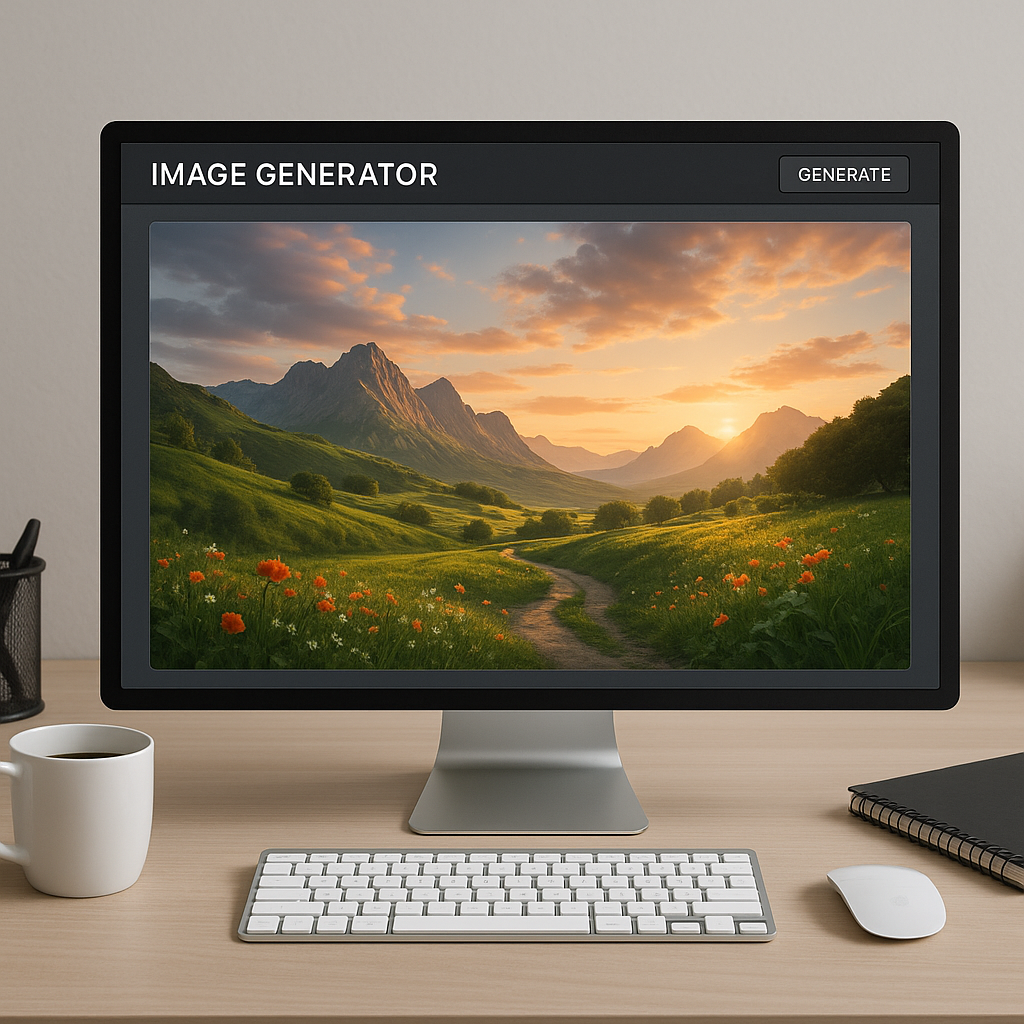
Image Generators
In recent years, the rise of image generators has revolutionised the way we create and manipulate visual content. These sophisticated tools, powered by artificial intelligence (AI), enable users to generate stunning images from simple text prompts or even refine existing images with remarkable precision. As the technology behind these generators evolves, it paves the way for new creative possibilities and raises important questions about the future of art, copyright, and the role of human creativity in an increasingly automated world.
At the heart of the image generation phenomenon lies a technology known as Generative Adversarial Networks (GANs). Developed by Ian Goodfellow and his colleagues in 2014, GANs consist of two neural networks that work in tandem: a generator that creates images and a discriminator that evaluates them. The generator attempts to create images that are indistinguishable from real ones, while the discriminator assesses the authenticity of the images. This back-and-forth process leads to increasingly realistic outputs that can mimic various artistic styles, subjects, and themes.
One of the most prominent image generators currently making waves is OpenAI's DALL-E. Launched in 2021, DALL-E captures public imagination with its ability to transform textual descriptions into vivid, detailed images. Users can input a phrase such as, "an astronaut riding a horse in a futuristic city," and DALL-E will produce an array of unique interpretations of that scene. This capability not only showcases the prowess of AI but also enables users, from professional artists to casual hobbyists, to explore their creativity in novel ways.
Another noteworthy player in the field is Midjourney, which has gained a dedicated following for its community-driven approach to image generation. By utilising Discord as its platform, Midjourney encourages users to share their creations and inspire one another. This social aspect fosters a vibrant community of artists experimenting with AI-generated art, while also providing feedback and support. The collaborative environment is a refreshing change in a world often dominated by individualistic pursuits, underscoring the potential for AI to enhance human creativity rather than replace it.
As these image generators gain traction, they are being embraced across various industries. In advertising, for instance, marketers can quickly generate visual content tailored to their campaigns, significantly reducing production time and costs. Similarly, architects and designers can use these tools to create compelling visualisations of their projects, allowing clients to better understand the final product before construction even begins.
However, the rise of image generators is not without its controversies. One pressing concern revolves around copyright issues. As these AI systems are trained on vast datasets that often include copyrighted material, questions arise about the ownership of generated images. If an AI generates an image based on a prompt that closely resembles an existing artwork, who holds the rights? Is it the user who provided the prompt, the creators of the AI, or the original artist whose work was used in the training data? These questions are prompting legal experts and artists alike to seek clarity in an evolving landscape.
Moreover, there is a growing dialogue about the ethical implications of AI-generated art. Critics argue that relying on image generators could diminish the value of human creativity and craftsmanship. Art has long been a reflection of human experience, emotion, and perspective. The introduction of AI into this sphere raises concerns about authenticity and the uniqueness of artistic expression. Can an image created by a machine truly encapsulate the depth of human experience, or is it merely an imitation devoid of emotional resonance?
Proponents of AI-generated art, however, argue that these tools can serve as powerful aids for artists. Rather than replacing human creativity, image generators can enhance it by providing new avenues for exploration. Artists can experiment with different styles, compositions, and concepts in ways that were previously impossible or time-consuming. This collaborative relationship between human and machine can lead to innovative art forms, blurring the lines between traditional and digital artistry.
As the technology advances, we are witnessing a significant shift in how art is created and consumed. Social media platforms are flooded with AI-generated content, leading to a phenomenon where the lines between artist and audience are increasingly blurred. Users can seamlessly shift from consumers of art to creators, empowered by tools that make it easier than ever to express their visions. This democratization of art creation has the potential to unleash a wave of creativity, giving voice to those who may not have had the opportunity or resources to create traditionally.
Looking ahead, the future of image generators will likely see even more sophisticated advancements. With ongoing research and development, we can expect improvements in the quality and diversity of generated images, as well as more user-friendly interfaces that cater to a broader audience. Furthermore, the integration of image generators with other forms of AI, such as natural language processing and machine learning, could lead to even more intricate and nuanced creations.
In conclusion, image generators represent a fascinating intersection of technology and creativity. As they continue to evolve, they open up new possibilities for artistic expression while also posing significant questions about copyright, ethics, and the role of human creativity. The dialogue surrounding these tools is essential as we navigate the complexities of a world increasingly influenced by AI. Ultimately, the challenge will be to find a balance that harnesses the power of these technologies while preserving the essence of what it means to be an artist in a rapidly changing landscape.
Recent Posts
Head-to-Head: Comparing Top AI Models in Работа с Нейросетями and Their Impact
червень 16, 2026
Debunking Myths: The Realities of Работа с Нейросетями and AI Models Today
червень 16, 2026
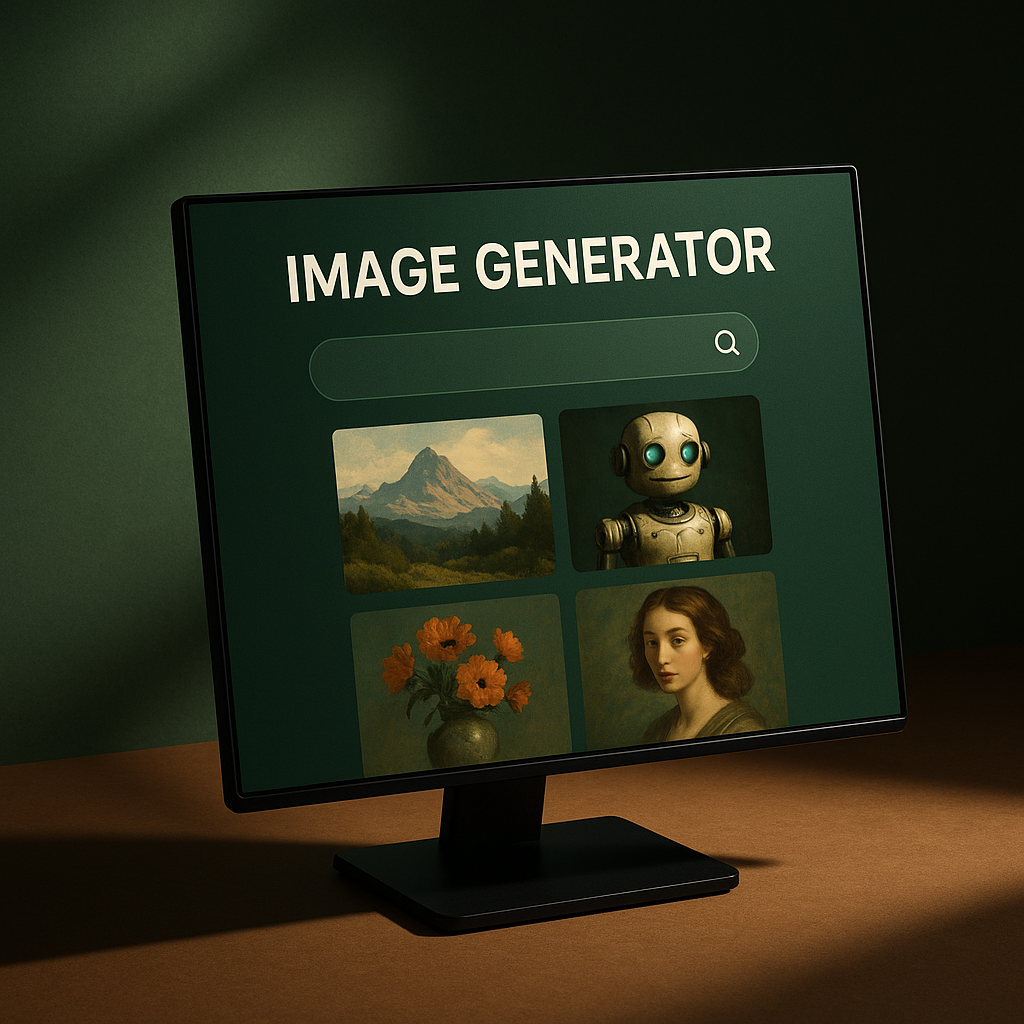
Unlocking Creativity: A Simple Guide to Using Image Generators for Beginners
червень 16, 2026
Maximum Potential
Отримайте повний досвід із планом Pro
ІНФОРМАЦІЯ