March 20, 2026
Unleashing Creativity: How Image Generators Are Revolutionizing Digital Art
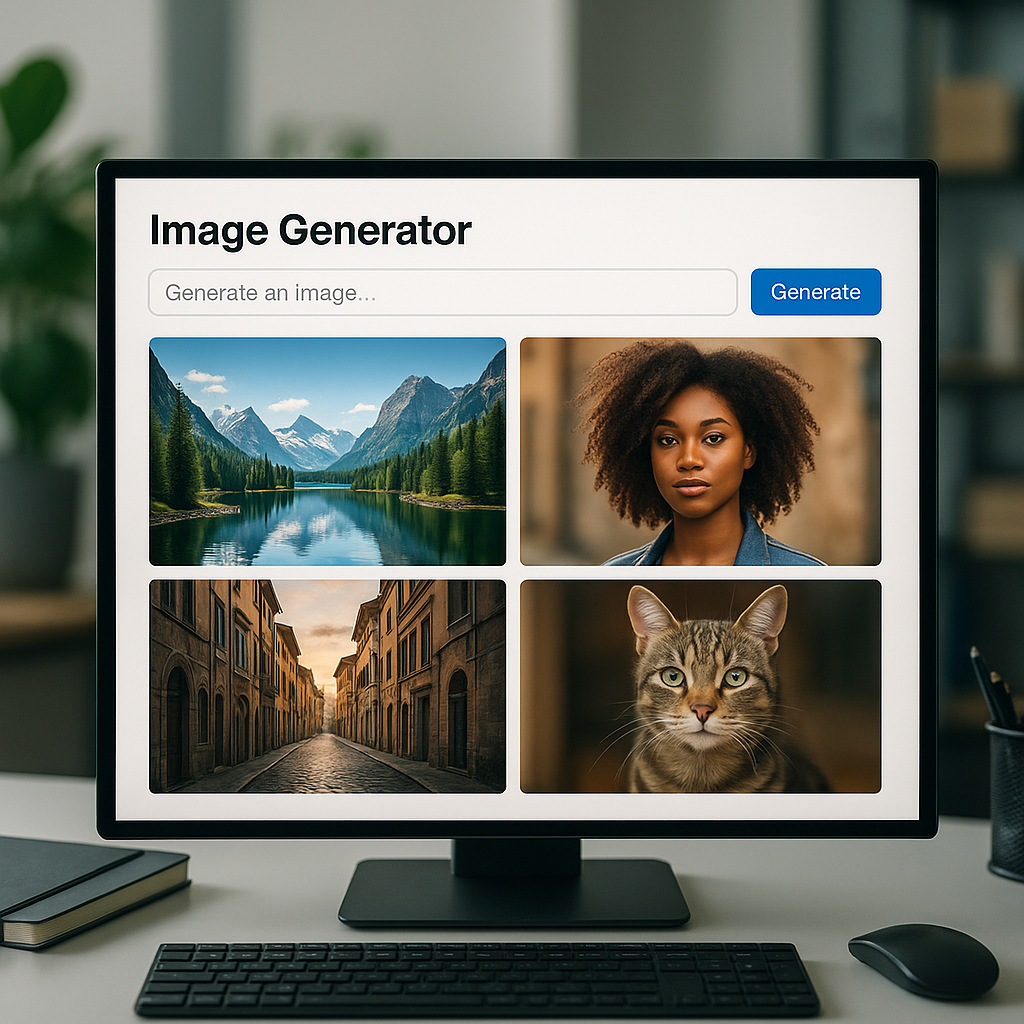
Image Generators
The rapid evolution of technology has brought forth a wave of innovation in various fields, none more striking than the realm of image generation. From artificial intelligence-driven tools that can create stunning visual art to software that generates realistic images from simple text prompts, image generators have revolutionized how we produce and consume visual content. The implications of these technologies are vast, impacting industries ranging from entertainment and advertising to education and digital art.
At the heart of this technological shift are advanced neural networks, particularly Generative Adversarial Networks (GANs) and diffusion models, which have gained prominence in recent years. GANs consist of two neural networks: the generator, which creates images, and the discriminator, which evaluates them. This interplay results in increasingly realistic images as the generator improves over time, learning from the feedback provided by the discriminator. Meanwhile, diffusion models have emerged as a powerful alternative, capable of producing high-quality images by gradually transforming random noise into coherent images through a series of steps.
The capabilities of these image generators have expanded dramatically. Tools like OpenAI's DALL-E, Midjourney, and Stability AI's Stable Diffusion have captured the imagination of artists, marketers, and everyday users alike. These platforms allow individuals to input textual descriptions and receive intricate images that match the provided prompts. For example, one can type "a cat wearing a space suit on Mars," and the generator will produce a unique visual representation of that scene. The results can be strikingly similar to human-made art, sparking discussions about creativity, authorship, and the future of artistic expression.
One of the most notable aspects of image generators is their accessibility. In the past, creating high-quality images often required extensive training in graphic design or traditional art forms. However, with these new tools, the barrier to entry has been significantly lowered. Anyone with an internet connection can experiment with image generation, encouraging a democratization of creativity. This shift has led to a surge of interest in digital art, with many users sharing their creations on social media platforms, further amplifying the reach and impact of these technologies.
Despite the excitement surrounding image generators, they do not come without challenges. Concerns about copyright infringement and the ethical implications of AI-generated art have surfaced. Artists fear that their style and creativity may be diluted or exploited by AI systems trained on vast datasets that include their work without permission. This has sparked debates about intellectual property rights in the age of AI, leading to calls for clearer regulations and protections for artists.
Moreover, the potential for misuse of image generators raises significant ethical questions. The ability to create realistic images has implications for misinformation and deepfakes. As these technologies continue to improve, discerning between genuine images and those created or manipulated by AI becomes increasingly challenging. This poses risks in various contexts, including journalism, politics, and social media, where the authenticity of visual content is paramount.
In response to these concerns, companies developing image generation technologies are implementing guidelines and safeguards to mitigate misuse. For instance, some platforms have introduced content filters to prevent the generation of harmful or inappropriate images. Additionally, developers are beginning to create systems that require users to disclose when content has been AI-generated, promoting transparency and ethical usage.
Looking ahead, the future of image generation is poised for further growth and innovation. As technology continues to advance, we can expect even more sophisticated models capable of producing images with higher fidelity and greater complexity. Researchers are exploring ways to integrate image generation with other forms of media, such as video and virtual reality, opening up new avenues for storytelling and entertainment.
Furthermore, the integration of image generators into various industries is already underway. In the advertising sector, brands are leveraging AI-generated visuals to create eye-catching campaigns with minimal resources. Similarly, in the gaming industry, developers are using these tools to design characters and environments, speeding up the creative process and enabling more dynamic gameplay experiences.
The educational sector is also beginning to recognize the potential of image generators. Educators are incorporating these tools into their curricula, allowing students to explore creativity and technology in tandem. By using image generation as a learning tool, students can engage with concepts in art, design, and computer science, fostering a new generation of innovators.
As society continues to grapple with the implications of these advancements, it is essential to foster a dialogue around the responsible use of image generation technologies. Collaboration among artists, technologists, and policymakers will be crucial in shaping a future where creativity thrives alongside ethical considerations. By addressing the challenges head-on and embracing the opportunities presented by image generators, society can harness the full potential of this remarkable technology.
In conclusion, image generators symbolize a significant leap forward in the intersection of art and technology. They empower individuals to create and express themselves in ways previously unimaginable while also prompting critical discussions about the nature of creativity, ownership, and ethics in the digital age. As this technology continues to evolve, it is clear that image generators are not just tools for creation; they represent a transformative force that is reshaping our visual landscape and redefining the boundaries of artistic expression.
Recent Posts
Breakthrough in Neural Networks: How New AI Models Revolutionize Global Tech
June 16, 2026
Head-to-Head: Comparing Neural Network Models and Their Impact on AI Work Today
June 16, 2026
New Breakthrough in Image Generators Promises to Revolutionize Artistic Expressi...
June 16, 2026
Maximum Potential
Get the full experience with Pro Plan
INFORMATION