May 10, 2026
Unleashing Creativity: How Image Generators Are Revolutionizing Digital Art
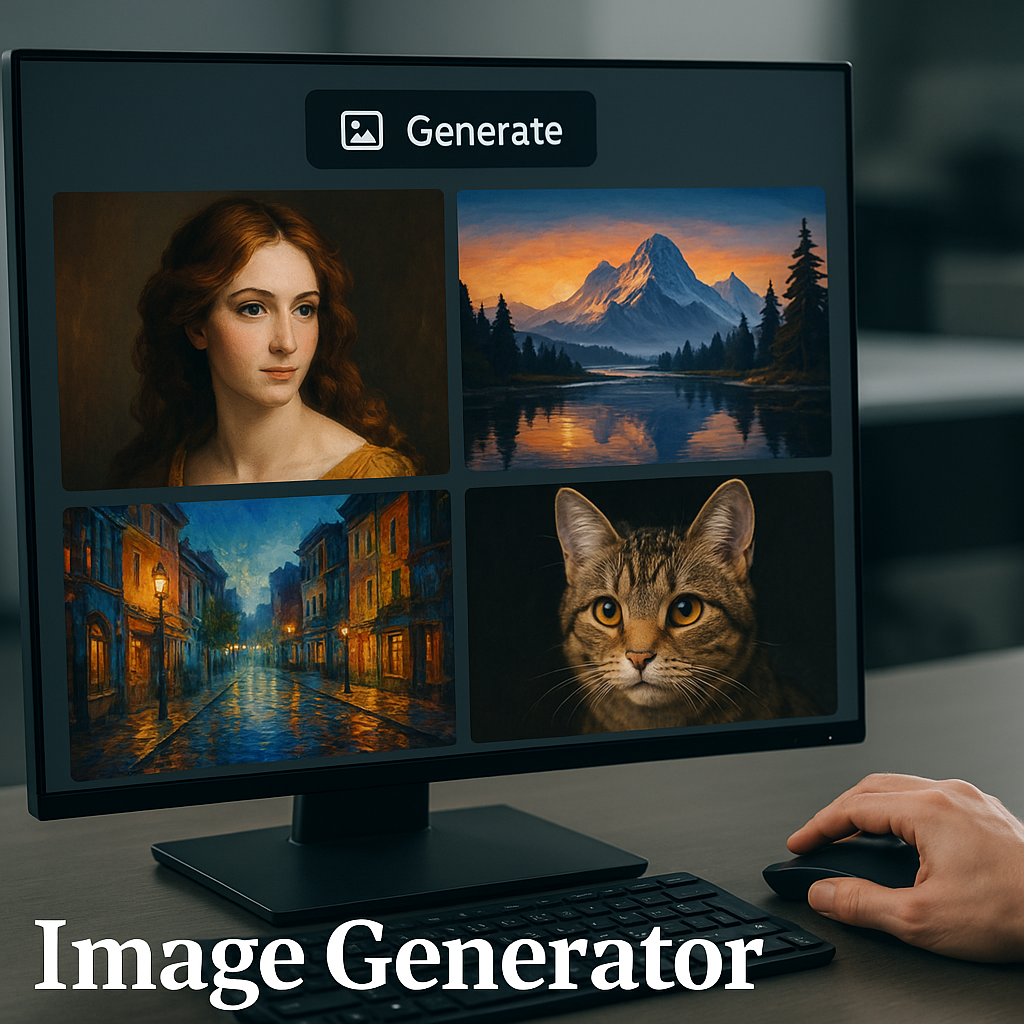
Image Generators
In recent years, image generators have emerged as a transformative technology, revolutionizing the way we create and interact with visual content. These tools, powered by advanced artificial intelligence algorithms, enable users to generate stunning images from text prompts, merging creativity with computational prowess. The rapid evolution of image generation technology has implications across various sectors, from entertainment and marketing to education and art.
At the core of image generation technology are deep learning models, particularly Generative Adversarial Networks (GANs) and diffusion models. GANs consist of two neural networks — a generator and a discriminator — that work in opposition to create new content. The generator creates images, while the discriminator evaluates them against a dataset of real images. Through this adversarial process, both networks improve, leading to the generation of increasingly realistic images. Meanwhile, diffusion models work by gradually transforming random noise into coherent images, making them particularly adept at generating high-quality visuals.
The rise of image generators can be attributed to several factors. First, the accessibility of powerful computing resources, including cloud-based platforms, has allowed individuals and organizations to experiment with these technologies without needing extensive hardware. Additionally, the proliferation of open-source machine learning frameworks has democratized access to sophisticated algorithms, enabling developers to create customized image-generating models with relative ease.
Companies like OpenAI, Google, and Stability AI have played a significant role in advancing image generator technology. OpenAI's DALL-E and DALL-E 2 have garnered significant attention for their ability to produce imaginative and contextually rich images from simple text prompts. Users can input anything from “a two-headed flamingo wearing sunglasses” to “a futuristic cityscape at sunset,” and the model generates corresponding images that often exceed expectations in creativity and detail. Similarly, Google’s Imagen has been praised for its fidelity and ability to interpret nuanced prompts, further pushing the boundaries of what’s possible in image generation.
The applications of image generators are vast and varied. In the realm of marketing, businesses are leveraging these tools to create visually striking advertisements and social media content with minimal resources. Custom images can be generated quickly, allowing brands to tailor visual content to specific campaigns or audience segments without the need for extensive photoshoots or graphic design expertise. This ability to produce unique images on demand not only saves time and costs but also enhances engagement by providing fresh and personalized content.
In the field of entertainment, image generators have found a niche in video game design and film production. Developers can use these tools to create concept art, character designs, and immersive environments, streamlining the creative process. The flexibility of image generators allows artists to explore a plethora of design options rapidly, which can lead to more innovative and visually captivating results in their final products.
Furthermore, educators and researchers are beginning to integrate image generators into their curricula and studies. By using these tools, students can visualize complex concepts, while researchers can generate illustrative materials for presentations and publications. This application of technology not only enhances learning experiences but also encourages creativity and critical thinking among students.
However, as with any powerful technology, the rise of image generators comes with ethical considerations. The ability to create hyper-realistic images raises concerns about misinformation and misuse. Deepfakes, for instance, highlight how image generators can be employed to create misleading content that can damage reputations or influence public opinion. The proliferation of such technology calls for increased vigilance and the establishment of ethical guidelines to navigate the potential pitfalls.
Concerns around copyright and ownership also loom large in discussions about image generators. When an image is created by an AI, questions arise regarding who holds the rights to that image. Is it the user who provided the prompt, the developer of the algorithm, or neither? As image generators become more prevalent, the legal frameworks surrounding intellectual property need to evolve to address these emerging complexities.
Moreover, the accessibility of image generators has sparked debates about the implications for artists and traditional forms of art. While some view these tools as a threat to the artistic profession, others argue they can serve as an aid, allowing artists to experiment and push their creative boundaries. The integration of AI in art does not necessarily diminish the value of human creativity; rather, it can enhance it by providing new avenues for expression and exploration.
As we delve deeper into the future of image generation, several trends are likely to shape its trajectory. The continued refinement of algorithms will lead to even more realistic and contextually accurate images, expanding the range of applications across various fields. Additionally, as image generation becomes more mainstream, we may see an increase in collaboration between AI and human artists, leading to innovative hybrid art forms that combine the strengths of both.
Furthermore, as society grapples with the implications of AI-generated content, there will likely be a push for greater transparency in how these tools function and the data they use. Educating the public about the capabilities and limitations of image generators will be crucial in fostering a balanced understanding of this technology.
In summary, image generators represent a significant leap forward in the intersection of technology and creativity. As these tools continue to evolve and integrate into various aspects of life, their potential to enhance our visual experiences is immense. However, with this potential comes the responsibility to navigate the ethical, legal, and societal implications that arise from their use. The future of image generation is not just about creating stunning visuals; it is also about shaping the way we communicate, express, and understand our world through images.
Recent Posts
Breakthrough in Neural Networks: How New AI Models Revolutionize Global Tech
June 16, 2026
Head-to-Head: Comparing Neural Network Models and Their Impact on AI Work Today
June 16, 2026
New Breakthrough in Image Generators Promises to Revolutionize Artistic Expressi...
June 16, 2026

Maximum Potential
Get the full experience with Pro Plan
INFORMATION