April 30, 2026
Unleashing Creativity: How Image Generators are Revolutionizing Visual Content
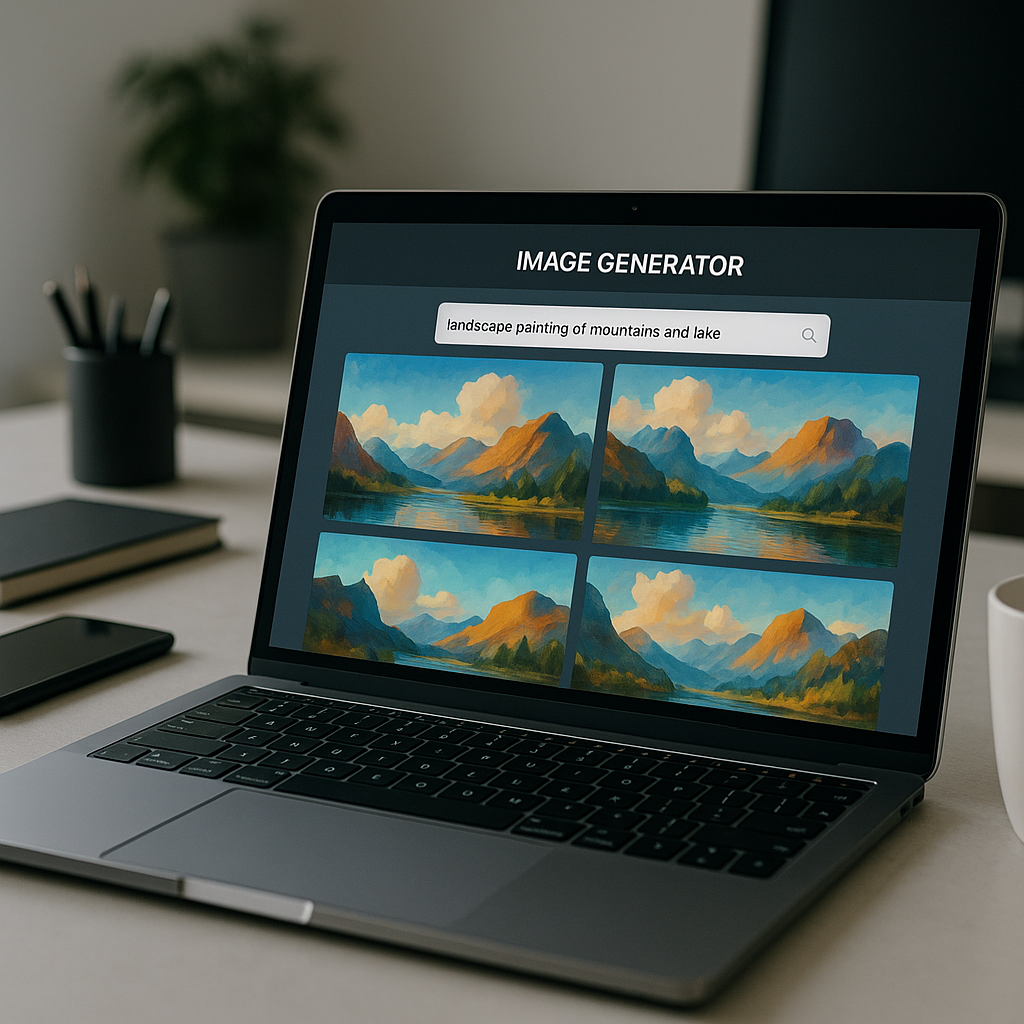
Image Generators
In recent years, the emergence of image generators has revolutionized the way we create and interact with visual content. These sophisticated artificial intelligence tools have become increasingly popular, enabling users to generate stunning images from textual descriptions, manipulate existing visuals, and even create entirely new art forms. As technology continues to advance, image generators are not just a novelty; they are transforming industries ranging from entertainment to marketing, and their implications are profound.
At the heart of these innovations are deep learning algorithms, particularly Generative Adversarial Networks (GANs) and diffusion models. GANs consist of two neural networks—the generator and the discriminator—that work in opposition to produce realistic images. The generator crafts images, while the discriminator evaluates their authenticity. This dynamic process fosters continuous improvement, leading to increasingly lifelike visuals. Meanwhile, diffusion models work by gradually transforming random noise into coherent images, allowing for a greater degree of detail and creativity.
The rise of image generators has democratized art creation, allowing individuals without formal artistic training to produce high-quality visuals. Platforms like DALL-E, Midjourney, and Stable Diffusion have made it possible for anyone to type in a prompt and receive an intricate image in seconds. This ease of use has led to a surge of creativity, with users experimenting with different styles, themes, and concepts. Social media platforms are flooded with user-generated art, as people share their creations and inspire others to explore this new frontier of digital artistry.
Businesses are also taking notice of the potential of image generators. Marketing teams are leveraging these tools to create custom visuals for campaigns, advertisements, and social media posts. The ability to produce unique, high-quality images on demand can significantly reduce costs and turnaround times. For instance, a small startup can generate professional-looking graphics without hiring a full-time designer, leveling the playing field against larger competitors. This shift not only enhances efficiency but also encourages innovation, as brands can rapidly test and iterate on visual content.
However, the rise of image generators is not without its challenges. One of the most pressing concerns is copyright and intellectual property rights. As AI-generated images become more prevalent, questions arise about ownership and authorship. If an individual inputs a prompt into an image generator and receives a unique creation, who owns that image? Is it the user, the developers of the AI, or does it fall into a gray area of public domain? These questions are prompting legal experts, artists, and technologists to engage in discussions about how to navigate this uncharted territory.
Another concern is the potential for misuse. Image generators can produce hyper-realistic images that may be used to create misleading or harmful content. Deepfakes, which use similar technology to create realistic but fabricated videos, have already raised significant ethical concerns. The ability to generate convincing images on demand increases the risk of misinformation and manipulation, particularly in an era where trust in media is already fragile. As a result, developers and researchers are grappling with how to implement safeguards and ensure responsible use of these powerful tools.
Despite these challenges, the future of image generators appears bright. Researchers are continuously improving the underlying algorithms, leading to even more sophisticated capabilities. For example, recent advancements allow for better control over the style and composition of generated images, giving users more creative power. Additionally, collaborations between artists and technologists are fostering new forms of artistic expression, blurring the lines between human creativity and machine learning.
The educational sector is also beginning to embrace image generators as teaching tools. Art educators are incorporating these technologies into their curricula, helping students understand both the potential and limitations of AI in creative fields. By engaging with image generators, students can explore concepts like design, color theory, and composition in innovative ways. This fusion of technology and art education prepares the next generation of creators to navigate a landscape where AI is an integral part of the creative process.
As image generators become more sophisticated and accessible, their applications will likely expand beyond traditional realms. The gaming industry, for instance, is exploring the use of AI-generated assets to create dynamic environments and characters. This could potentially revolutionize game design, allowing developers to craft expansive worlds with unprecedented efficiency. Similarly, the film industry may adopt image generators for concept art and storyboarding, streamlining pre-production processes and fostering creativity among filmmakers.
In the realm of virtual reality (VR) and augmented reality (AR), image generators could play a crucial role in creating immersive experiences. By generating realistic environments and characters on-the-fly, developers could enhance user engagement and interaction in virtual spaces. This potential opens up exciting avenues for industries such as real estate, tourism, and education, where realistic visualizations can enhance understanding and decision-making.
As we stand on the cusp of this new era in visual creation, it is clear that image generators are not merely a trend but a transformative force in the way we create and consume art and media. While challenges regarding ethics, copyright, and misuse must be addressed, the potential for innovation and creativity is immense. As artists, businesses, and educators continue to explore the possibilities offered by these tools, we may find ourselves in a future where human creativity and artificial intelligence coexist harmoniously, pushing the boundaries of what is possible in the world of visual storytelling.
Recent Posts
Breakthrough in Neural Networks: How New AI Models Revolutionize Global Tech
June 16, 2026
Head-to-Head: Comparing Neural Network Models and Their Impact on AI Work Today
June 16, 2026
New Breakthrough in Image Generators Promises to Revolutionize Artistic Expressi...
June 16, 2026
Maximum Potential
Get the full experience with Pro Plan
INFORMATION