March 23, 2026
Unleashing Creativity: How Image Generators Are Transforming Digital Art in 2023
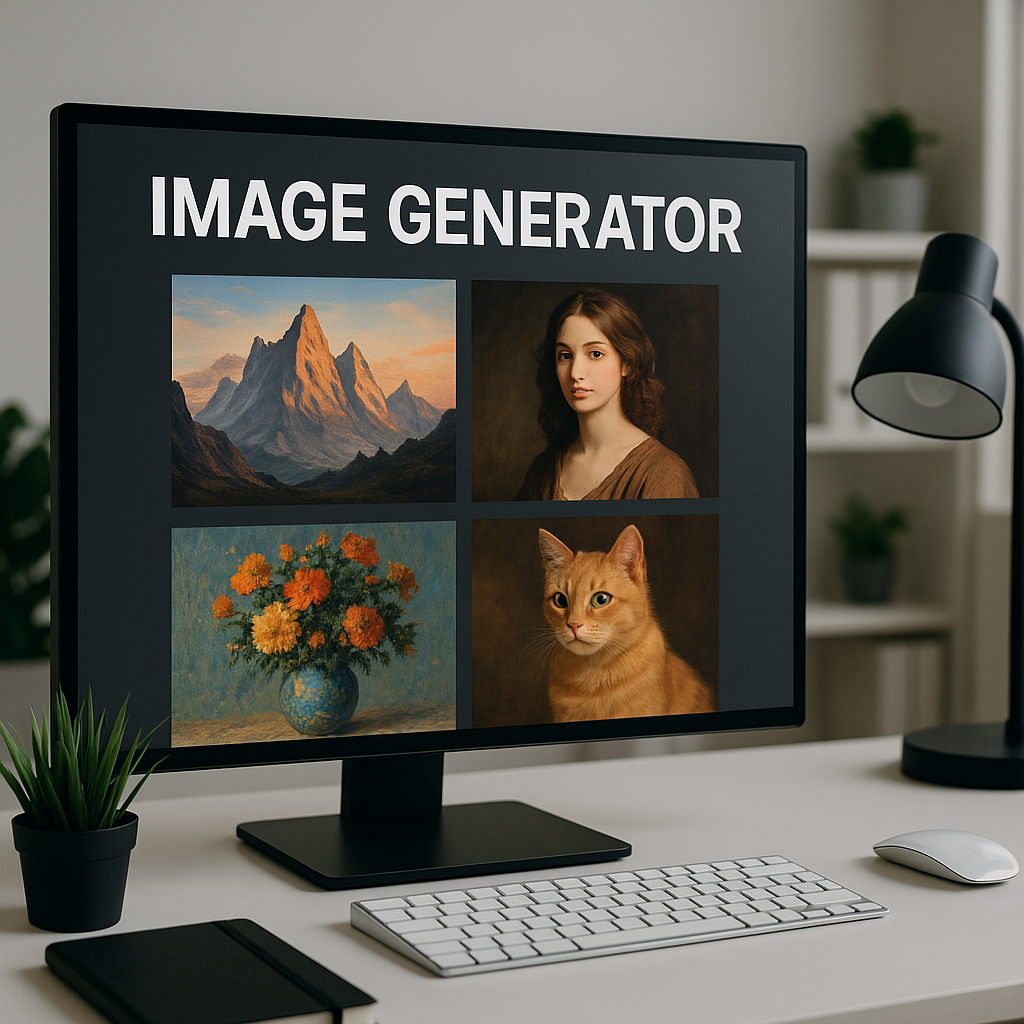
Image Generators
In recent years, the emergence of image generators powered by artificial intelligence has revolutionized the way we create and interact with visual content. These sophisticated tools have drastically altered the landscape of art, design, and even marketing, making high-quality visual outputs accessible to a broader audience. From individuals experimenting with digital art to businesses seeking to streamline their creative processes, image generators are reshaping a multitude of industries.
At the core of these innovations are advanced machine learning algorithms, particularly those related to generative adversarial networks (GANs) and diffusion models. GANs consist of two neural networks: a generator that creates images and a discriminator that evaluates them. This dynamic allows the generator to improve iteratively, producing increasingly realistic images over time. Diffusion models, on the other hand, work by gradually adding noise to an image and then learning to reverse this process, resulting in high-fidelity visual outputs. These technologies have given rise to platforms like DALL-E, Midjourney, and Stable Diffusion, each with unique capabilities and user interfaces.
The appeal of image generators lies in their user-friendliness. Most platforms allow users to input simple text prompts, which the AI then translates into complex visual representations. This capability democratizes art creation, enabling anyone—regardless of artistic skill—to generate unique images. For instance, a user can type “a futuristic cityscape at sunset,” and within moments, the image generator produces an artwork that could rival the work of professional artists. As these tools become more sophisticated, the resultant images often blur the line between human creativity and machine-generated content.
One of the most significant impacts of image generators is seen in the art world. Traditional artists have begun to embrace these tools, using them as a source of inspiration or even as collaborators in the creative process. Some artists incorporate AI-generated images into their works, blending technology with traditional mediums to create hybrid pieces that challenge our understanding of authorship and creativity. However, this fusion has sparked heated debates regarding copyright and ownership. If an image is generated based on a user’s prompt, who retains the rights to that image? These questions remain largely unresolved, prompting discussions among artists, legal experts, and technologists alike.
Beyond the realm of art, businesses are leveraging image generators to enhance their marketing strategies. Companies can quickly produce high-quality visuals for advertising campaigns, social media posts, and promotional materials without the need for extensive design teams. This not only reduces costs but also accelerates the content production timeline, allowing brands to respond to market trends more rapidly. Furthermore, custom visuals tailored to specific campaigns can be generated in mere minutes, enabling businesses to maintain a fresh and engaging online presence.
However, the rise of image generators is not without its challenges. Ethical concerns are at the forefront of the conversation surrounding AI-generated content. For instance, the potential for misuse is significant; individuals can create misleading images or deepfakes that can spread misinformation or defamation. The ease of generating hyper-realistic images raises alarms about trust in visual media. As these technologies advance, the imperative to develop robust ethical guidelines and regulatory frameworks becomes increasingly urgent.
Moreover, the environmental impact of training AI models is another area of concern. The computational power required to train these algorithms is substantial, leading to significant energy consumption. As the demand for image generation grows, so too does the need for sustainable practices within the tech industry. Researchers and developers are exploring ways to optimize models and reduce their carbon footprint, which may involve innovating with more energy-efficient algorithms or utilizing renewable energy sources for data centers.
As image generators continue to evolve, the technology is also becoming more integrated into everyday applications. For example, social media platforms are beginning to incorporate AI-generated images into their features, allowing users to create personalized content directly within their apps. This integration not only enhances user engagement but also presents new opportunities for brands to connect with consumers in innovative ways. The ability to generate unique images on demand can foster a more interactive and personalized experience for users, ultimately driving higher levels of participation and creativity.
The educational sector is also seeing the benefits of image generators. Educators and students are using these tools to create visual aids, enhancing learning experiences across various subjects. From generating historical imagery for history lessons to creating visual representations of complex scientific concepts, the applications are diverse. This technology not only aids in the understanding of material but also encourages creativity and exploration among students, preparing them for a future where digital literacy will be paramount.
In conclusion, image generators represent a fascinating intersection of technology, creativity, and ethics. As they become increasingly integrated into various sectors—from art and marketing to education and beyond—their influence is undeniable. While they offer exciting possibilities for innovation and expression, society must grapple with the associated ethical implications and environmental considerations. As the conversation around AI-generated content continues to evolve, it remains essential to strike a balance between harnessing the potential of these tools and ensuring responsible usage. The future of image generation is bright, but it will require thoughtful navigation to maximize its benefits while minimizing potential drawbacks.
Recent Posts
Breakthrough in Neural Networks: How New AI Models Revolutionize Global Tech
June 16, 2026
Head-to-Head: Comparing Neural Network Models and Their Impact on AI Work Today
June 16, 2026
New Breakthrough in Image Generators Promises to Revolutionize Artistic Expressi...
June 16, 2026

Maximum Potential
Get the full experience with Pro Plan
INFORMATION