April 3, 2026
Unleashing Creativity: How Image Generators are Transforming Digital Art in 2023
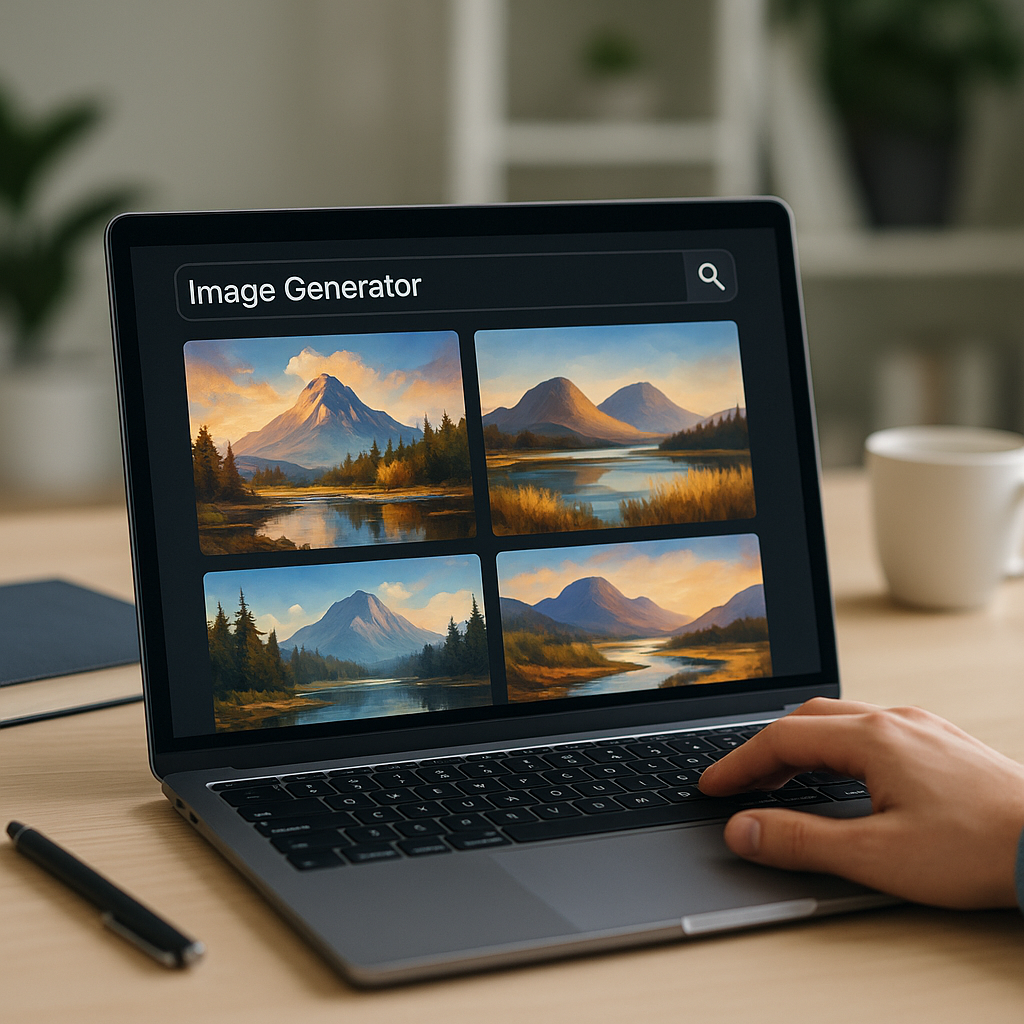
Image Generators
The world of image generation has witnessed a significant transformation over the past few years, thanks to advances in artificial intelligence (AI) and machine learning. Image generators, particularly those powered by deep learning algorithms, have become increasingly sophisticated, allowing users to create stunning visual content with minimal effort. These tools are not only appealing to artists and designers but are also being utilized in various industries, from marketing to gaming and beyond.
At the core of this technology are generative adversarial networks (GANs), a type of machine learning model introduced by Ian Goodfellow and his colleagues in 2014. GANs consist of two neural networks: the generator, which creates images, and the discriminator, which evaluates them. The generator tries to produce images that resemble real ones, while the discriminator assesses the authenticity of the generated images. This dynamic creates a feedback loop that ultimately leads to the generation of highly realistic images over time.
One of the most notable examples of image generation technology is DALL-E, developed by OpenAI. This model is designed to create images from textual descriptions, merging the realms of natural language processing and computer vision. Users can input a phrase like "an armchair in the shape of an avocado," and DALL-E will generate an original image that matches the description. This capability has sparked interest in various fields, such as advertising, where businesses can quickly produce unique visuals that resonate with their target audiences.
Another prominent player in the image generation space is Midjourney, which gained popularity for its ability to produce artistic and imaginative visuals. Unlike DALL-E, which focuses on realism, Midjourney's strength lies in its ability to create stylized interpretations of concepts. Artists and creators have flocked to this platform, utilizing it to spark inspiration, create unique artwork, or even develop assets for their projects. The community surrounding Midjourney has thrived, with users sharing their creations and techniques, fostering a collaborative environment that showcases the potential of AI in the creative process.
As image generators become more accessible, questions surrounding intellectual property and ethical considerations have emerged. The ability to produce art at scale raises concerns about originality and ownership. For instance, if a user inputs a command into an AI generator and receives a unique artwork, who owns that creation? Is it the user, the developer of the AI, or does it belong to the dataset from which the AI learned? Legal frameworks are still catching up with this rapidly evolving landscape, and discussions are ongoing about how to address these complex issues.
Moreover, the use of AI-generated images has sparked debates about authenticity and the role of human creativity in art. Traditional artists may find themselves at odds with the rising popularity of AI-generated content, fearing that their craft may be undervalued or overshadowed. However, proponents argue that these tools can serve as collaborative partners rather than replacements. By leveraging AI, artists can explore new creative avenues and push the boundaries of their work.
The marketing industry has also embraced image generators, utilizing them to create customized graphics for campaigns and social media. Businesses can streamline their content creation processes, producing tailored visuals that cater to specific demographics without the need for extensive design resources. This efficiency not only saves time and money but also enables brands to maintain a consistent visual identity across various platforms.
In the gaming industry, image generation technology is being integrated to enhance the development of characters, environments, and assets. Game developers can use AI-generated imagery to create diverse and unique content, enriching the gaming experience for players. This innovation allows for the rapid prototyping of ideas, making it easier for developers to experiment and iterate on their designs.
As image generators continue to evolve, the technology is also expanding into virtual and augmented reality applications. These advancements enable the creation of immersive environments that can be populated with AI-generated imagery, offering users a more engaging experience. For instance, in virtual reality applications, users can explore spaces filled with dynamically generated art, creating a personalized experience that adapts to their interactions.
The integration of AI in image generation has led to the emergence of new tools and platforms that cater to various user needs. For example, platforms like Artbreeder allow users to blend and modify images collaboratively, creating hybrid artworks that are both unique and reflective of the community's input. Such platforms democratize art creation, enabling individuals with no formal artistic training to produce visually appealing content.
Furthermore, the educational sector is beginning to incorporate image generators into its curriculum, teaching students about the intersection of art and technology. By familiarizing future generations with these tools, educators are preparing them for a future where creativity and technology coexist harmoniously. Students can experiment and learn how to harness AI-driven creativity while developing their own artistic voices.
Despite the rapid advancements in image generation technology, challenges remain. Issues related to bias in AI algorithms can lead to the perpetuation of stereotypes and inaccuracies in generated images. Developers must be vigilant in training their models on diverse datasets to mitigate these risks and ensure that the generated content reflects a wide range of perspectives and experiences.
As society grapples with the implications of AI-generated content, it becomes increasingly important to engage in conversations about the ethical use of this technology. Establishing guidelines and best practices can help ensure that image generators are used responsibly and for the benefit of all. The key lies in balancing innovation with ethical considerations, allowing for creativity to flourish while respecting the rights and contributions of human artists.
In conclusion, image generators represent a fascinating convergence of technology and creativity, with the potential to transform various industries. As they continue to evolve, their impact will only grow, prompting discussions about ownership, authenticity, and the future of art. By embracing these tools and addressing the associated ethical challenges, society can unlock new creative possibilities while fostering a deeper understanding of the relationship between humans and machines in the artistic realm.
Recent Posts
Breakthrough in Neural Networks: How New AI Models Revolutionize Global Tech
June 16, 2026
Head-to-Head: Comparing Neural Network Models and Their Impact on AI Work Today
June 16, 2026
New Breakthrough in Image Generators Promises to Revolutionize Artistic Expressi...
June 16, 2026
Maximum Potential
Get the full experience with Pro Plan
INFORMATION