April 23, 2026
Unleashing Creativity: How Image Generators Are Transforming Digital Art in 2023
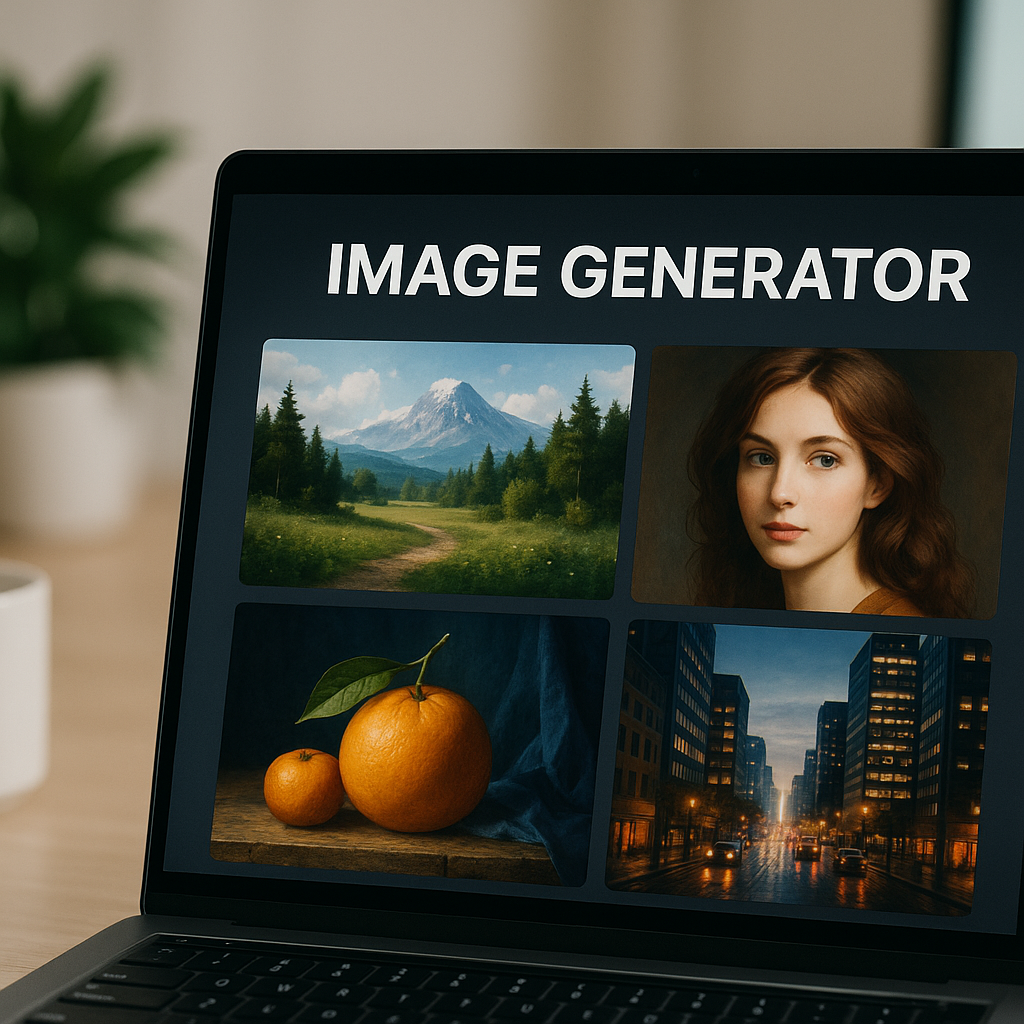
Image Generators
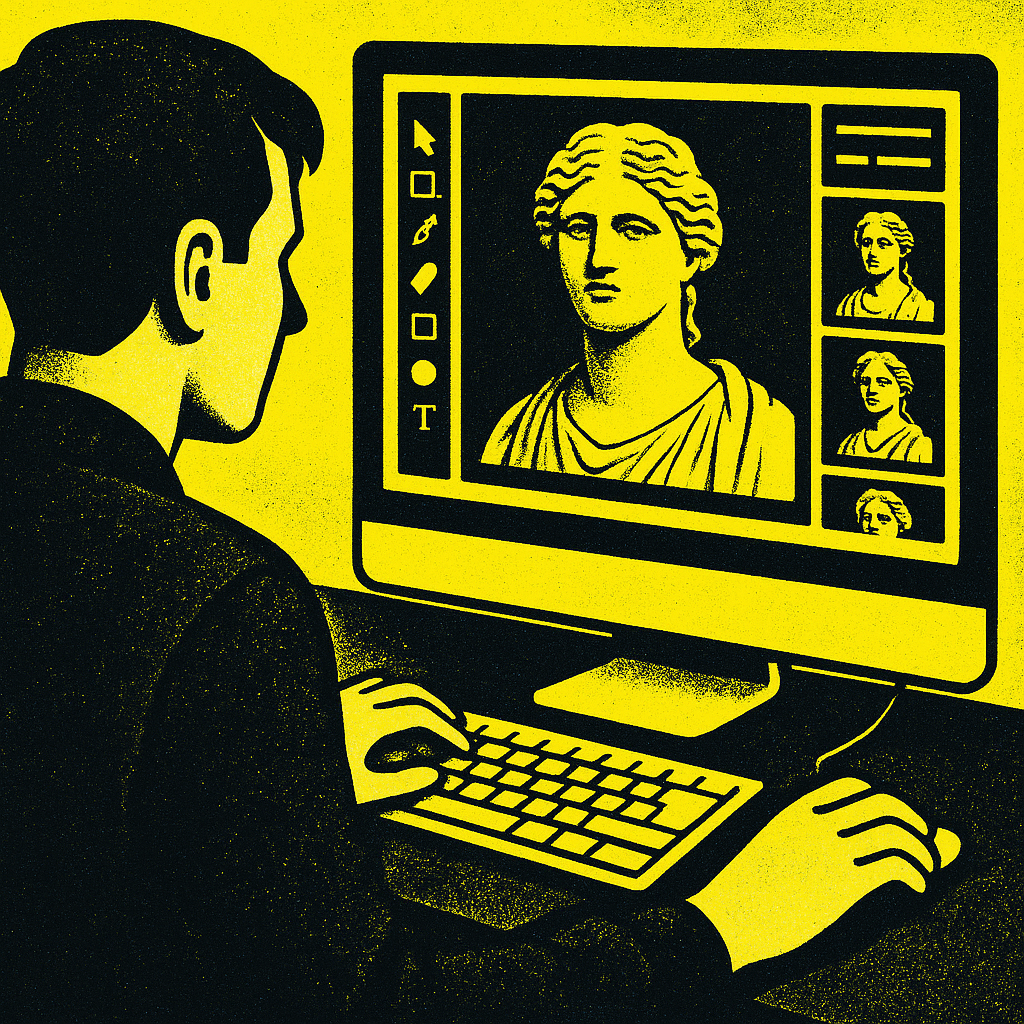
In recent years, image generators have surged to the forefront of technological innovation, capturing the fascination of artists, designers, and technophiles alike. These advanced algorithms, powered by artificial intelligence (AI) and deep learning, have transformed the way images are created, allowing for an unprecedented level of creativity and customization. From generating photorealistic portraits to conceptual art, these tools have not only streamlined artistic processes but also sparked discussions about the future of creativity and intellectual property.
At the heart of these image generators lies a technology known as Generative Adversarial Networks (GANs). Developed in 2014 by Ian Goodfellow and his colleagues, GANs consist of two neural networks—one that generates images and another that evaluates them. This dual process allows the generator to improve its output through a feedback loop, honing its ability to create increasingly realistic images over time. As a result, GANs can produce artworks that often blur the line between human creativity and machine-generated content.
One of the most notable applications of image generators is in the realm of art. Platforms like DALL-E, Midjourney, and Stable Diffusion have gained immense popularity, enabling users to create unique images simply by describing them in natural language. For instance, a user can input a phrase such as "a futuristic cityscape at sunset," and the generator will create an image that embodies that description. This capability has democratized access to creativity, allowing individuals without traditional art skills to produce visually stunning works.
Moreover, these tools are not limited to personal use; businesses are beginning to harness the power of image generators for marketing and design purposes. Companies can rapidly generate marketing materials, social media content, and product designs using AI-generated imagery. This not only saves time and resources but also opens up new avenues for creativity, as brands can experiment with various styles and concepts without committing to extensive production processes.
However, the rise of image generators has also raised significant ethical and legal questions. With the ability to create images that closely resemble existing artworks, concerns about copyright infringement and intellectual property rights have emerged. Artists worry that their styles may be mimicked or that their works could be reproduced without permission, leading to potential financial losses and diminished recognition for their original creations. As a result, discussions about how to regulate the use of AI-generated art are becoming increasingly relevant.
Furthermore, the implications of image generators extend beyond the realms of art and commerce. They are also being utilized in fields such as education, entertainment, and even medicine. In education, for example, image generators can create visual aids tailored to specific learning objectives, enhancing the educational experience for students. In entertainment, they are being employed to design characters and environments in video games and films, allowing creators to explore new narrative possibilities. In medicine, researchers are investigating ways to use AI-generated images for medical imaging analysis and diagnosis.
Despite the myriad advantages, the proliferation of image generators has sparked debates about authenticity and the value of traditional artistry. Some critics argue that the ease of creating images through AI diminishes the skill and effort that human artists invest in their craft. They contend that the unique perspectives and emotional depth provided by human experience cannot be replicated by machines. As a result, a new dialogue is emerging about the role of human creativity in an increasingly automated world.
As these technologies continue to evolve, the landscape of image generation is likely to change dramatically. Innovations such as text-to-image synthesis, where users can generate images from textual descriptions, are becoming more sophisticated, allowing for more nuanced outputs. Additionally, advancements in user interfaces and accessibility will enable broader audiences to engage with these tools, further expanding their impact on society.
In response to the challenges posed by image generators, several organizations and artists are advocating for clearer guidelines and ethical standards surrounding the use of AI in creativity. Initiatives aimed at establishing best practices for the responsible use of AI-generated content are gaining traction, with the hope of fostering a collaborative environment where human creativity and machine assistance coexist harmoniously.
As we look to the future, it is essential to continue exploring the implications of image generators on culture and society. The intersection of technology and creativity offers limitless possibilities, but it also necessitates a thoughtful approach to ensure that the rights of artists are protected and that the integrity of artistic expression is maintained. As we navigate this uncharted territory, the dialogue between artists, technologists, and policymakers will be crucial in shaping a future where creativity thrives alongside technological advancement.
In conclusion, image generators represent a significant leap forward in the world of digital art and design. Their ability to produce high-quality images with minimal input has revolutionized the creative process, offering new opportunities for expression and innovation. However, as with any transformative technology, it is imperative to remain vigilant about the ethical considerations and implications of AI-generated content. By fostering a responsible and inclusive approach, we can ensure that the future of creativity remains vibrant, diverse, and respectful of the contributions of all creators.
Recent Posts
Breakthrough in Neural Networks: How New AI Models Revolutionize Global Tech
June 16, 2026
Head-to-Head: Comparing Neural Network Models and Their Impact on AI Work Today
June 16, 2026
New Breakthrough in Image Generators Promises to Revolutionize Artistic Expressi...
June 16, 2026
Maximum Potential
Get the full experience with Pro Plan
INFORMATION