April 8, 2026
Unleashing Creativity: How Image Generators Are Transforming Digital Art Today
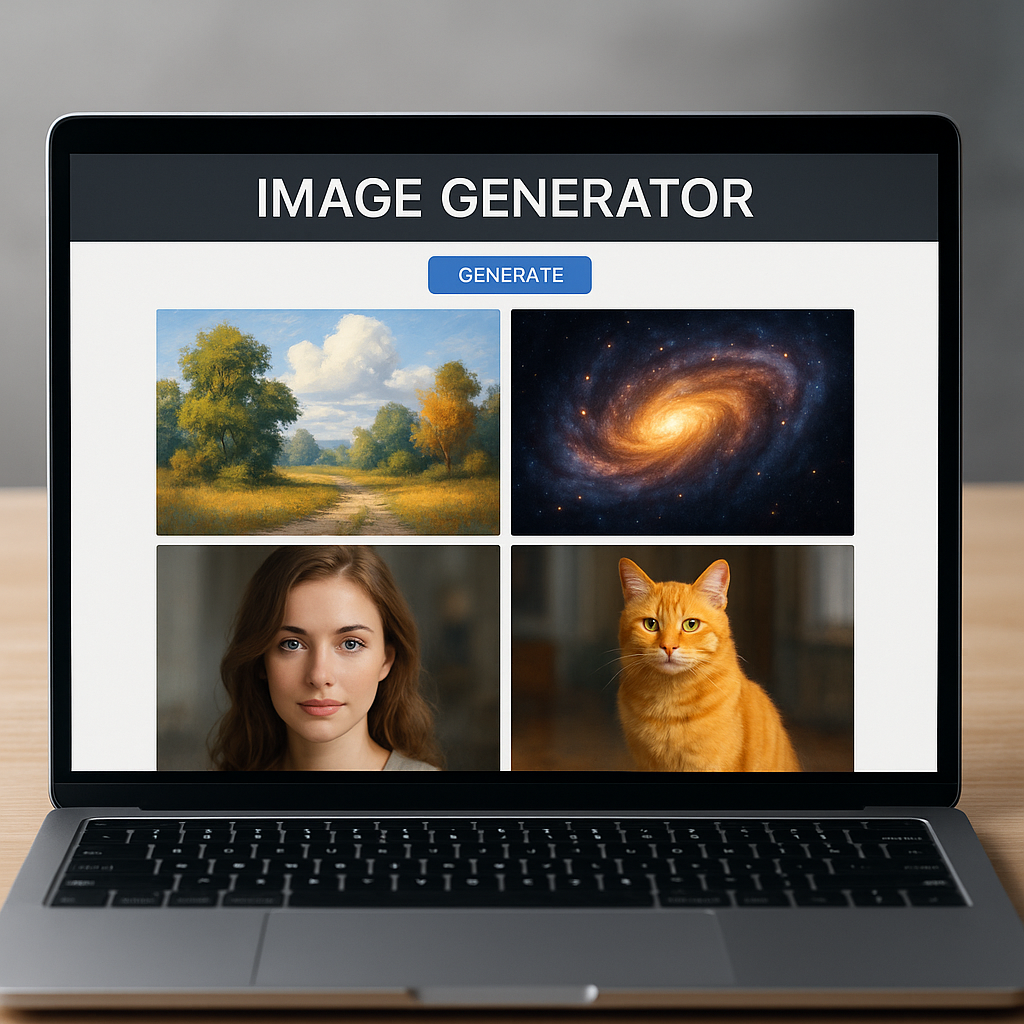
Image Generators
In recent years, the emergence of image generators has revolutionized the landscape of visual content creation. These sophisticated tools, powered by advanced artificial intelligence (AI) algorithms, have made it possible for users to create stunning visuals with minimal effort. From artists and designers to marketers and everyday users, image generators have opened up new avenues for creativity and innovation. This article delves into the mechanics of image generation, its applications, advantages, challenges, and the future of this exciting technology.
At the heart of most image generators lies a technology known as Generative Adversarial Networks (GANs). GANs consist of two neural networks—the generator and the discriminator—that work together in a process akin to a game. The generator creates images, while the discriminator evaluates them against real images, providing feedback that helps the generator improve its output. Over time, this iterative process leads to the production of highly realistic images that can be indistinguishable from those crafted by human artists.
One of the most enticing aspects of image generators is their versatility. They can produce a wide range of visuals, from photorealistic portraits to abstract art. Tools like DALL-E, Midjourney, and Stable Diffusion have gained immense popularity for their ability to interpret text prompts and generate corresponding images. Users can describe a scene or concept in words, and the AI translates that description into a visual representation. This capability has democratized art creation, allowing individuals without formal training to produce compelling images.
Image generators have found applications across various fields. In marketing, for instance, businesses utilize these tools to create eye-catching graphics for social media campaigns, advertisements, and website design. By streamlining the design process, companies can save time and resources while maintaining a fresh and engaging online presence. Additionally, the gaming industry leverages image generators to create unique assets, environments, and character designs, enhancing the depth and visual appeal of games.
In the realm of entertainment, filmmakers and visual effects artists are also harnessing the power of image generators. These tools can generate concept art, storyboards, and even special effects, helping creators visualize their ideas more effectively. The ability to produce high-quality images rapidly can significantly expedite the pre-production process, allowing filmmakers to explore a broader range of creative possibilities.
Moreover, in the world of fashion, designers are experimenting with image generators to create innovative clothing designs and promotional content. By inputting specific themes or styles, designers can explore countless variations and find inspiration that may not have been evident through traditional methods. This collaborative approach between AI and human creativity is reshaping the future of design across multiple industries.
While the advantages of image generators are compelling, there are notable challenges and ethical considerations associated with their use. One primary concern is the potential for misuse. The ability to generate realistic images can lead to the creation of deepfakes or misleading content that can harm individuals and organizations. As a result, there is a growing call for regulations and ethical guidelines to govern the use of AI-generated content, ensuring that it is used responsibly and transparently.
Intellectual property issues also arise in the context of image generation. As AI systems learn from existing artworks, questions about copyright and ownership become increasingly complex. If an image generator creates a piece of art that closely resembles the style of a well-known artist, who owns the rights to that image? Legal frameworks around copyright are still catching up with technological advancements, and stakeholders are urged to engage in discussions about how to navigate these challenges.
Furthermore, the quality of AI-generated images can sometimes be inconsistent. While many generators produce impressive results, there are instances where the output may lack coherence or may not meet the user's expectations. Users must often refine their prompts and experiment with different parameters to achieve the desired outcome. As technology continues to advance, we can expect improvements in the quality and reliability of image generation.
The future of image generators appears bright, with ongoing research and development promising to enhance their capabilities. As AI models become more sophisticated, we can anticipate the emergence of more intuitive tools that allow users to create complex visuals with even greater ease. Incorporating features such as real-time collaboration and interactive design will further empower creators to push the boundaries of their imagination.
Moreover, the integration of image generators with virtual and augmented reality technologies could lead to exciting new possibilities. Imagine being able to generate immersive environments and characters on-the-fly, allowing users to experience and interact with custom-built worlds in real time. This convergence of technologies has the potential to transform industries like gaming, education, and training.
As image generators continue to evolve, it is crucial for users to remain informed and engaged with emerging trends and best practices. Understanding the tools' capabilities, limitations, and ethical implications will empower creators to use these technologies responsibly and effectively. With the right mindset and approach, image generators can serve as valuable allies in the creative process, fostering innovation and expanding the horizons of artistic expression.
In conclusion, image generators represent a groundbreaking intersection of technology and creativity, providing users with unprecedented tools to explore their artistic visions. As the technology matures, its impact on various industries will only grow, reshaping the way we create, share, and experience visual content. As we navigate the exciting possibilities of this new frontier, a collaborative approach that emphasizes ethical considerations will be vital to harnessing the full potential of AI in the creative realm.
Recent Posts
Breakthrough in Neural Networks: How New AI Models Revolutionize Global Tech
June 16, 2026
Head-to-Head: Comparing Neural Network Models and Their Impact on AI Work Today
June 16, 2026
New Breakthrough in Image Generators Promises to Revolutionize Artistic Expressi...
June 16, 2026
Maximum Potential
Get the full experience with Pro Plan
INFORMATION