April 10, 2026
Unleashing Creativity: How Image Generators Are Transforming Digital Art Today
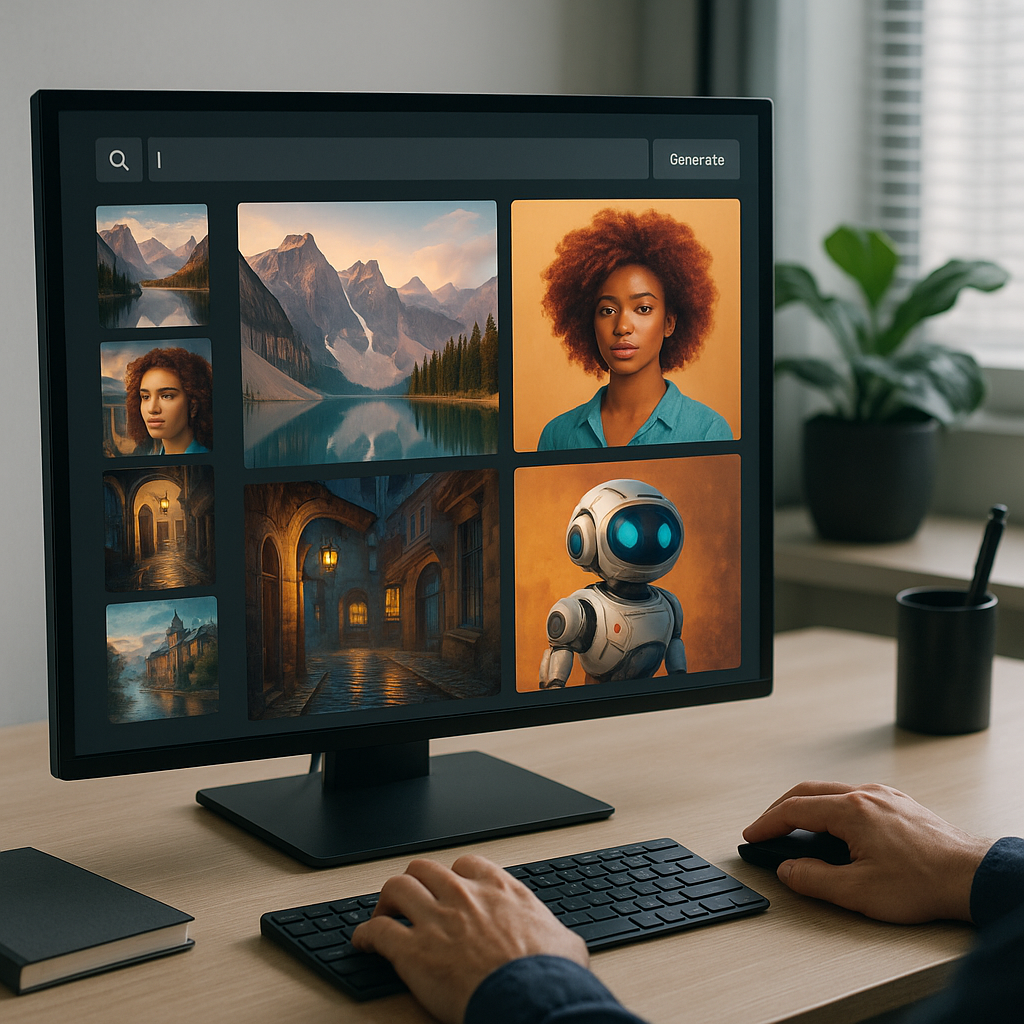
Image Generators
In recent years, the emergence of image generators has revolutionized the way we create and interact with visual content. These sophisticated tools, powered by artificial intelligence, have found applications in various industries, from advertising and entertainment to education and art. By leveraging deep learning algorithms, image generators can create stunning visuals that often rival those produced by human artists. As technology continues to advance, the implications of these tools are profound, shaping not only the creative landscape but also raising essential questions about copyright, authenticity, and the future of human creativity.
At the heart of image generation technology lies a subset of artificial intelligence known as Generative Adversarial Networks (GANs). Introduced by Ian Goodfellow and his colleagues in 2014, GANs consist of two neural networks—the generator and the discriminator—that work in tandem. The generator creates images from random noise, while the discriminator evaluates the authenticity of the generated images against real ones. Through iterative training, the generator improves its ability to produce images that are increasingly indistinguishable from reality. This process culminates in outputs that can range from realistic landscapes to abstract art, showcasing the versatility and capability of AI in visual creation.
One of the most notable applications of image generators is in the realm of digital art. Artists are beginning to explore the synergy between human creativity and AI-generated imagery. Tools like DALL-E and Midjourney enable users to generate images from textual descriptions, allowing artists to visualize concepts that may be difficult to render manually. This fusion of technology and creativity has led to new artistic movements, where the lines between human-made and machine-generated art are blurred, sparking debates about originality and authorship.
Moreover, the advertising industry has embraced image generators to streamline the creative process. Brands can quickly produce visuals tailored to specific campaigns without the need for extensive photo shoots or graphic design teams. This efficiency not only reduces costs but also allows for rapid iterations and experimentation. For instance, a company can generate multiple versions of an advertisement featuring different styles or themes, enabling targeted marketing strategies based on consumer preferences. The ability to create personalized content at scale is transforming the way businesses engage with their audiences.
In the realm of entertainment, image generators are making waves in video game development and film. Game designers can employ these tools to create expansive virtual worlds, characters, and assets, fostering immersive experiences. Similarly, filmmakers are beginning to use AI-generated images for concept art and storyboarding, expediting the pre-production phase. With these advancements, the creative potential is vast, allowing creators to push the boundaries of storytelling and visual representation.
However, as with any technological advancement, there are ethical considerations surrounding the use of image generators. The ease with which these tools can produce hyper-realistic images raises concerns about misuse, particularly in the context of deepfakes and misinformation. The ability to fabricate convincing visuals can have significant implications for journalism, politics, and public trust. As such, the need for responsible use and regulation of AI-generated content has become increasingly critical.
Furthermore, the question of copyright and ownership in the context of AI-generated art is a complex legal gray area. When an image is created by an algorithm, who holds the rights to that work? Is it the developer of the AI, the user who input the parameters, or does the image exist in a legal void? These questions are prompting lawmakers and policymakers to explore frameworks that address intellectual property rights in the age of AI, as the current legal landscape is often ill-equipped to handle such innovations.
Another aspect of the conversation surrounding image generators is the potential impact on traditional artists and designers. While some view AI as a tool that can enhance creativity, others express concerns that it may undermine the value of human artistry. The fear is that as AI-generated images become more prevalent, the demand for traditional art may diminish, leading to a devaluation of human skills and craftsmanship. However, many artists argue that AI should be seen as a collaborator rather than a competitor, providing new ways to explore creativity and expand artistic boundaries.
As the capabilities of image generators continue to evolve, we can expect to see further integration of these tools into various sectors. Educational institutions are beginning to incorporate AI-driven image generation into their curricula, teaching students how to harness these technologies for creative expression. Additionally, industries such as fashion and interior design are utilizing AI to generate fabric patterns and interior layouts, enhancing the design process and enabling rapid prototyping.
Looking ahead, the future of image generators is both exciting and uncertain. Advancements in AI are likely to yield even more sophisticated models capable of understanding context, emotion, and aesthetics, allowing for more nuanced and impactful creations. As these technologies become more accessible, the democratization of art and design will enable individuals from diverse backgrounds to participate in the creative process, fostering a new wave of innovation and expression.
In conclusion, image generators represent a significant leap forward in the intersection of technology and creativity. While their benefits are manifold, it is essential to approach their use with a critical eye, addressing the ethical, legal, and societal implications they entail. As we navigate this new landscape, the dialogue surrounding AI-generated content will continue to evolve, shaping our understanding of art, authenticity, and the role of human creativity in an increasingly automated world. The journey ahead promises to be rich with exploration, collaboration, and transformation as we embrace the possibilities that lie within the realm of image generation.
Recent Posts
Breakthrough in Neural Networks: How New AI Models Revolutionize Global Tech
June 16, 2026
Head-to-Head: Comparing Neural Network Models and Their Impact on AI Work Today
June 16, 2026
New Breakthrough in Image Generators Promises to Revolutionize Artistic Expressi...
June 16, 2026
Maximum Potential
Get the full experience with Pro Plan
INFORMATION