April 29, 2026
Unleashing Creativity: How Image Generators are Transforming Visual Art in 2023
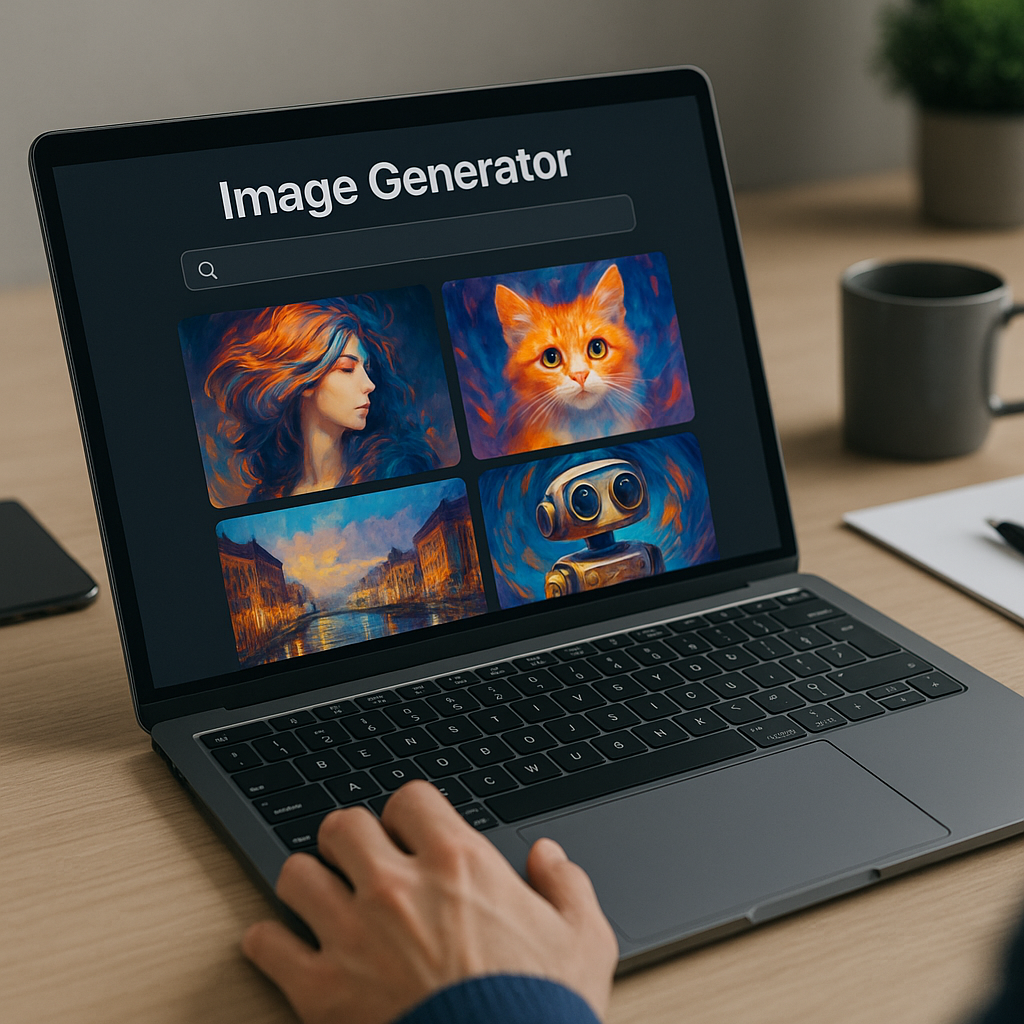
Image Generators
In recent years, the landscape of digital creativity has been revolutionized by the emergence of image generators, a subset of artificial intelligence (AI) technology capable of creating visuals from textual descriptions. These tools have garnered significant attention, enabling users—from professional artists to casual enthusiasts—to generate stunning and often surreal images with little more than a few words. As the technology matures, its implications for industries ranging from advertising to entertainment are becoming increasingly profound.
Image generators utilize sophisticated algorithms, often based on deep learning models, to analyze patterns and styles in vast datasets of images. One of the most notable advancements in this field is the development of Generative Adversarial Networks (GANs), which consist of two neural networks—the generator and the discriminator—working in tandem. The generator creates new images while the discriminator evaluates them against real images, continuously refining the output until the generated images are indistinguishable from actual photographs.
OpenAI’s DALL-E and Stability AI's Midjourney are prime examples of image generators that have captured public imagination. DALL-E, named after the artist Salvador Dalí and the animated character WALL-E, allows users to input descriptive text prompts that the AI interprets to create highly detailed and imaginative images. Users have produced everything from whimsical scenes of a “cat in a spacesuit” to intricate landscapes that blend various artistic styles. Similarly, Midjourney has gained popularity for its ability to generate visually striking artwork, often incorporating fantastical elements that appeal to digital artists and creators.
The appeal of image generators lies in their accessibility. Traditionally, creating high-quality artwork required years of practice and expertise. However, these tools democratize art creation, enabling anyone with an idea to produce visually captivating images. This accessibility has sparked a wave of creativity, with individuals using image generators for projects ranging from personal art to marketing campaigns, and even in the design of video games and films.
As the technology becomes more widespread, the implications for various sectors are profound. In the advertising industry, for instance, marketers are leveraging image generators to create tailored visuals that resonate with target audiences. This capability allows brands to produce unique content at a fraction of the cost and time typically associated with traditional photography and graphic design. Moreover, the ability to quickly generate multiple design variations means that companies can experiment with different aesthetics and messaging to find the most effective approach.
The entertainment industry is also exploring the potential of image generators. Filmmakers and game developers are using these tools for concept art, storyboarding, and even generating backgrounds and environments. By reducing the time and resources required for visual development, creators can focus more on storytelling and character development. Some studios are even considering integrating AI-generated content directly into their projects, pushing the boundaries of traditional animation and film production.
Despite the excitement surrounding image generators, the technology also raises important ethical questions. The ease with which images can be generated poses challenges related to copyright and intellectual property. For example, if an image generator creates a piece of artwork that closely resembles an existing piece, who holds the rights? Additionally, there is concern over the potential misuse of the technology to create misleading or harmful content, such as deepfakes or propaganda. As the lines between real and artificial blur, the industry must navigate these ethical dilemmas carefully.
Content creators have also voiced concerns regarding the impact of image generators on their livelihoods. While some view these tools as a means to enhance their creativity, others fear that they may undermine traditional art forms and the value of human-made art. The debate continues as artists grapple with how to adapt their practices in a world where AI can produce impressive visuals at lightning speed.
In response to these challenges, various organizations and platforms are advocating for clearer guidelines and regulations surrounding the use of AI-generated content. Initiatives aimed at promoting ethical AI use and protecting intellectual property rights are gaining traction, highlighting the need for collaboration between technologists, artists, and policymakers. As the technology evolves, it will be crucial to establish frameworks that ensure fair use while encouraging innovation.
As we look to the future, the potential applications of image generators appear limitless. Researchers are exploring how these models can be integrated with other AI technologies, such as natural language processing and virtual reality, to create immersive experiences that combine text, visuals, and interactivity. This convergence could lead to new forms of storytelling, education, and entertainment that were previously unimaginable.
The rise of image generators stands as a testament to the rapid evolution of artificial intelligence and its potential to reshape the creative landscape. While the excitement surrounding these tools is palpable, it is essential to approach their development and use with caution, balancing innovation with ethical considerations. As creators, industries, and society at large adapt to this new reality, the future of image generation holds promise, challenges, and opportunities yet to be fully realized.
In conclusion, image generators are not just a novelty; they represent a significant shift in how we understand and engage with creativity. As technology continues to advance, the dialogue surrounding its implications will be critical in shaping a future where human creativity and artificial intelligence coexist and complement one another. With the right approach, image generators have the potential to unlock new dimensions of artistic expression and redefine the boundaries of creativity.
Recent Posts
Breakthrough in Neural Networks: How New AI Models Revolutionize Global Tech
June 16, 2026
Head-to-Head: Comparing Neural Network Models and Their Impact on AI Work Today
June 16, 2026
New Breakthrough in Image Generators Promises to Revolutionize Artistic Expressi...
June 16, 2026
Maximum Potential
Get the full experience with Pro Plan
INFORMATION