March 26, 2026
Unleashing Creativity: How Image Generators Are Transforming Visual Content Today
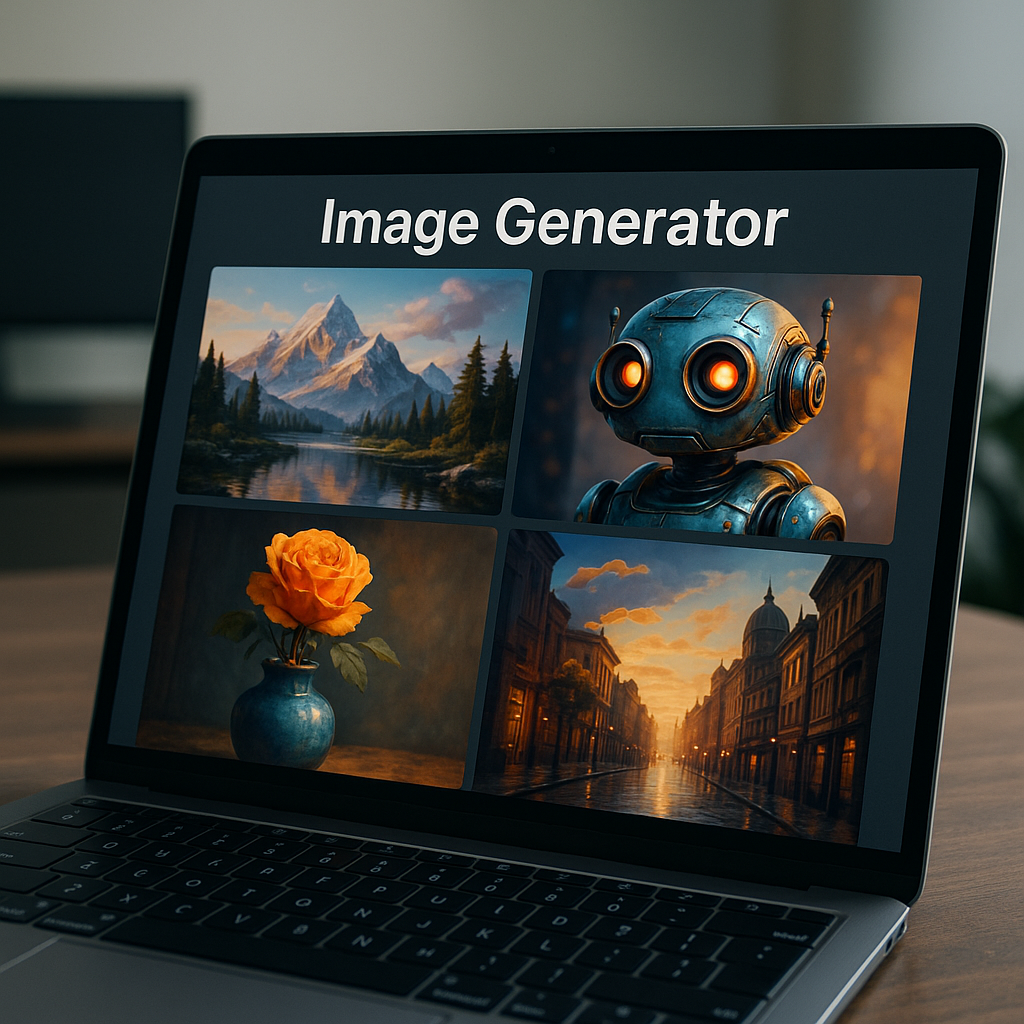
Image Generators
In recent years, image generators have emerged as a groundbreaking technological advancement, transforming the way individuals and businesses create visual content. These sophisticated tools, powered by artificial intelligence, have garnered significant attention for their ability to produce high-quality images from simple text prompts. As the demand for unique visual assets continues to rise, image generators are becoming essential tools in various industries, from marketing and design to entertainment and education.
At the core of these image generation systems is a type of AI known as Generative Adversarial Networks (GANs) and diffusion models. GANs consist of two neural networks—the generator and the discriminator—that work in tandem to create images. The generator produces images based on random noise and the discriminator evaluates them against real images. This process continues until the generator can produce images that are indistinguishable from actual photographs. On the other hand, diffusion models work by starting with random noise and gradually refining it into coherent images through a series of steps, allowing for greater detail and complexity.
The capabilities of these tools are staggering. Users can generate anything from realistic portraits to fantastical landscapes, all by inputting descriptive text prompts. For instance, a user could type "a serene mountain landscape at sunset," and the image generator would create a stunning visual representation of that scene. This level of customization not only makes image creation accessible to those without artistic skills but also enables artists and designers to explore new creative avenues without the constraints of traditional methods.
One of the most notable players in the image generation space is OpenAI's DALL-E, which gained widespread fame for its ability to create imaginative images from textual descriptions. Following DALL-E's success, other platforms like Midjourney and Stable Diffusion have emerged, each offering unique features and styles. These platforms have democratized art and design, allowing anyone with a computer and an internet connection to generate professional-grade images in mere seconds.
The implications of image generators extend beyond creative expression. In the world of marketing, businesses are leveraging these tools to produce eye-catching visuals for social media, websites, and advertising campaigns. Traditionally, hiring a graphic designer or purchasing stock images would require significant time and financial investment. However, with image generators, companies can quickly produce tailored content that resonates with their target audience, streamlining the marketing workflow and reducing costs.
Moreover, the education sector is also benefiting from this technology. Educators can create engaging visuals to enhance learning materials, making complex concepts more accessible and easier to understand for students. For instance, an educator teaching about marine biology could generate vivid images of ocean ecosystems, allowing students to visualize the subject matter in a more interactive way.
Despite the advantages of image generators, the technology does not come without its challenges and controversies. One major concern is the potential for misuse. With the ability to create hyper-realistic images, there is a growing fear that these tools could be employed to spread misinformation or produce harmful content. For example, creating fake images of events that never occurred or manipulating images to mislead viewers could lead to significant societal consequences.
Another issue revolves around copyright and intellectual property. As image generators create content based on existing styles and themes, questions arise regarding the ownership of the generated images. If an artist's style is mimicked by an AI, who owns the rights to the resulting images? These legal and ethical considerations are prompting discussions among lawmakers, artists, and technologists to establish guidelines that ensure fair use while promoting innovation.
Furthermore, the technology's impact on the job market is a topic of heated debate. While image generators can enhance productivity and creativity, there is concern that they may threaten traditional jobs in graphic design and illustration. As businesses increasingly turn to automated solutions for visual content, professionals in these fields may find themselves competing against machines. However, proponents argue that these tools can serve as collaborators rather than replacements, enabling artists to focus on higher-level creative tasks while automating repetitive aspects of their work.
In response to the growing capabilities of AI-generated images, companies are also integrating image generators into their existing software ecosystems. For instance, Adobe has begun incorporating AI tools into its Creative Cloud suite, allowing users to streamline their design processes further. These integrations signal a shift in the industry, where collaboration between human creativity and AI technology is becoming the norm rather than the exception.
As image generators continue to evolve, the future of visual content creation looks promising. The ongoing advancements in AI are making it possible to generate not just static images but also dynamic visuals, such as animations and interactive graphics. This evolution will likely open new doors for creativity and innovation across various fields, allowing creators to push the boundaries of what is possible in visual storytelling.
The rise of image generators heralds a new era in content creation, where the fusion of technology and creativity empowers individuals and businesses alike. As these tools become more refined and accessible, they will undoubtedly play a crucial role in shaping the visual landscape of the future. Whether enhancing marketing campaigns, enriching educational materials, or fueling artistic endeavors, image generators are set to redefine our understanding of art and design in the digital age.
In conclusion, image generators represent a fascinating intersection of technology and creativity, offering unprecedented opportunities for expression and innovation. While challenges remain in terms of ethics and employment, the potential benefits of these tools are vast. As society navigates this new frontier, it will be essential to harness the power of AI responsibly, ensuring that the creative spirit is preserved while embracing the efficiencies that technology provides.
Recent Posts
Breakthrough in Neural Networks: How New AI Models Revolutionize Global Tech
June 16, 2026
Head-to-Head: Comparing Neural Network Models and Their Impact on AI Work Today
June 16, 2026
New Breakthrough in Image Generators Promises to Revolutionize Artistic Expressi...
June 16, 2026

Maximum Potential
Get the full experience with Pro Plan
INFORMATION