April 7, 2026
Unlock Your Creativity: Discover the Top Image Generators Transforming Digital Art
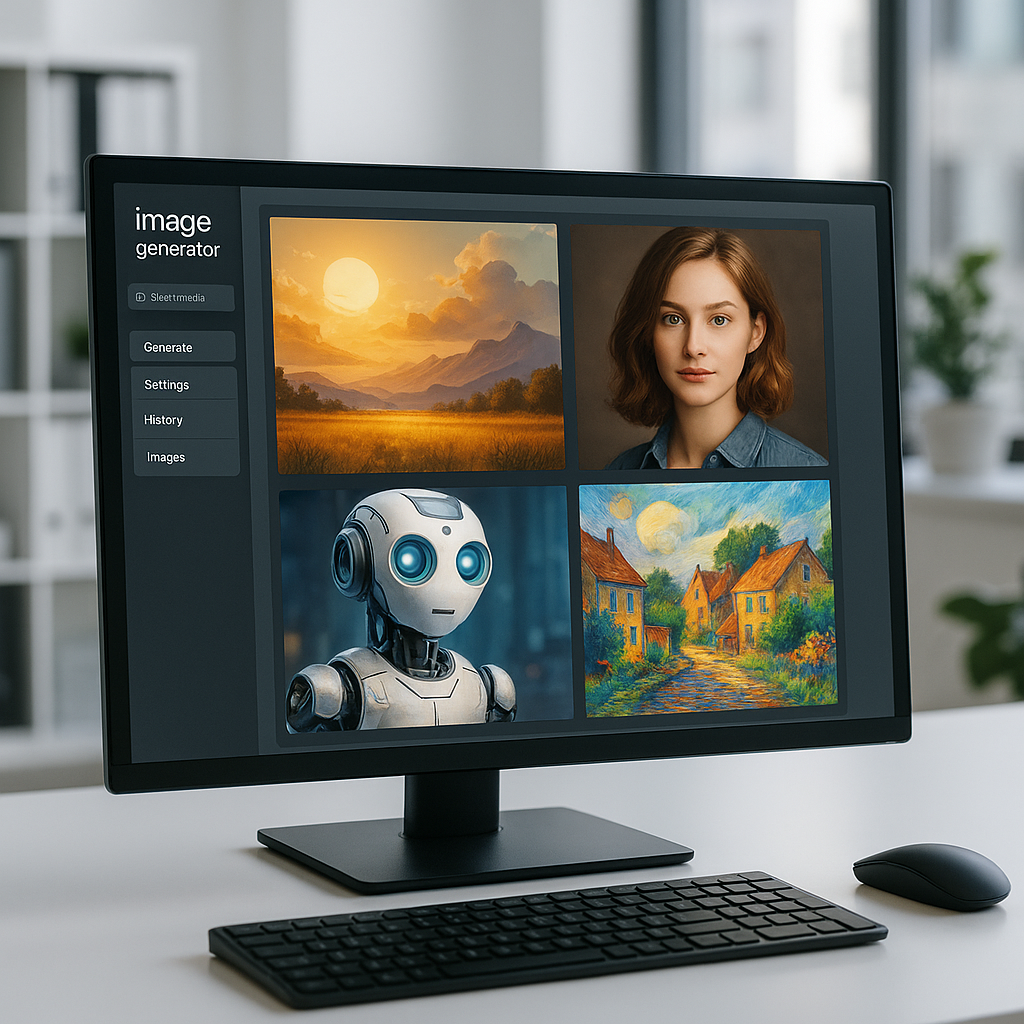
Image Generators
In recent years, image generators have transformed the digital landscape, offering unprecedented capabilities in creating visuals from textual descriptions. These powerful tools, powered by advanced artificial intelligence and machine learning algorithms, have gained significant traction among artists, marketers, and everyday users looking to enhance their creative projects. As the technology continues to evolve, image generators are reshaping how we think about art, design, and the very nature of creativity itself.
Image generators utilize models such as Generative Adversarial Networks (GANs) and diffusion models, which allow them to produce high-quality images based on user-input prompts. GANs consist of two neural networks—a generator that creates images and a discriminator that evaluates them. Together, these networks iteratively improve the quality of the generated images, resulting in remarkably realistic visuals. Diffusion models, on the other hand, work by gradually refining a random noise image into a coherent picture through a series of steps, guided by learned patterns from vast datasets.
One of the most notable examples of image generation technology is OpenAI's DALL-E, which gained widespread attention for its ability to create intricate images from simple text prompts. DALL-E can generate a wide array of visuals, from everyday objects to fantastical scenes, showcasing the algorithm's versatility. Following its release, many similar tools have emerged, including Midjourney and Stable Diffusion, each with unique features and strengths. These platforms have become a playground for creativity, allowing users to experiment with different styles, compositions, and concepts.
The implications of image generators extend beyond mere novelty; they have become invaluable tools in various industries. In advertising and marketing, for instance, companies can rapidly produce visuals tailored to specific campaigns, significantly reducing the time and cost associated with traditional graphic design. This capability allows for more dynamic marketing strategies where brands can quickly adapt their visuals based on real-time consumer feedback and trends.
In the realm of art, the impact of image generators has sparked debates about authorship and originality. Artists are increasingly incorporating these tools into their creative processes, leading to a blending of human and machine-generated art. Some artists view image generators as collaborators, using them to explore new ideas and styles that they may not have considered otherwise. However, this raises questions about the value of human touch and the definition of artistry. Can an image generated by an algorithm truly be considered art, or does the absence of human intention dilute its value?
Moreover, the rise of image generators has ignited discussions about copyright and intellectual property. As AI-generated images become more prevalent, the legal landscape struggles to keep pace. Who owns the rights to an image created by an algorithm? Is it the developer of the AI, the user who input the prompt, or does it fall into some uncharted territory of shared ownership? These questions remain largely unanswered, leading to a cautious approach by many in the creative community.
Ethical considerations also play a significant role in the conversation around image generators. The potential for misuse is a pressing concern. For example, the technology can be employed to create misleading images or deepfakes, contributing to misinformation and eroding trust in visual media. As image generation becomes more accessible, the responsibility lies with both developers and users to ensure that these tools are used ethically and responsibly.
Despite these challenges, the benefits of image generators are undeniable. They democratize access to artistic creation, enabling individuals without formal training in graphic design to produce compelling visuals. This shift can empower a new generation of creators, fostering a diverse range of voices and perspectives in the art world. Additionally, for businesses, the ability to generate custom imagery on demand can lead to more authentic branding and marketing efforts, as companies can visualize their unique identities without relying heavily on external design resources.
As image generators become increasingly sophisticated, their applications are likely to expand further. Industries such as gaming, fashion, and film are already exploring ways to integrate AI-generated images into their workflows. Game developers, for instance, can leverage these tools to create unique environments and character designs on the fly, enhancing gameplay experiences and reducing development costs. Similarly, fashion designers can use image generators to visualize concepts and patterns, streamlining the design process and inspiring new trends.
Looking forward, the future of image generation technology appears bright yet complex. Continued advancements in AI are expected to enhance the realism and creativity of generated images, pushing the boundaries of what is possible. However, this progress must be coupled with a thoughtful approach to ethical considerations, copyright issues, and the role of human creativity. As society grapples with these challenges, the dialogue surrounding image generators will undoubtedly continue to evolve.
In conclusion, image generators have emerged as powerful tools that are reshaping the creative landscape. From enhancing marketing strategies to redefining the nature of art, their impact is profound and multifaceted. As we navigate the complexities of this technology, it is essential to embrace its potential while remaining vigilant about the ethical and legal implications that come with it. The journey of image generators is just beginning, and their role in our digital world will only continue to grow.
Recent Posts
Breakthrough in Neural Networks: How New AI Models Revolutionize Global Tech
June 16, 2026
Head-to-Head: Comparing Neural Network Models and Their Impact on AI Work Today
June 16, 2026
New Breakthrough in Image Generators Promises to Revolutionize Artistic Expressi...
June 16, 2026
Maximum Potential
Get the full experience with Pro Plan
INFORMATION