березень 3, 2026
Unlock Your Creativity: How Image Generators are Revolutionising Digital Art
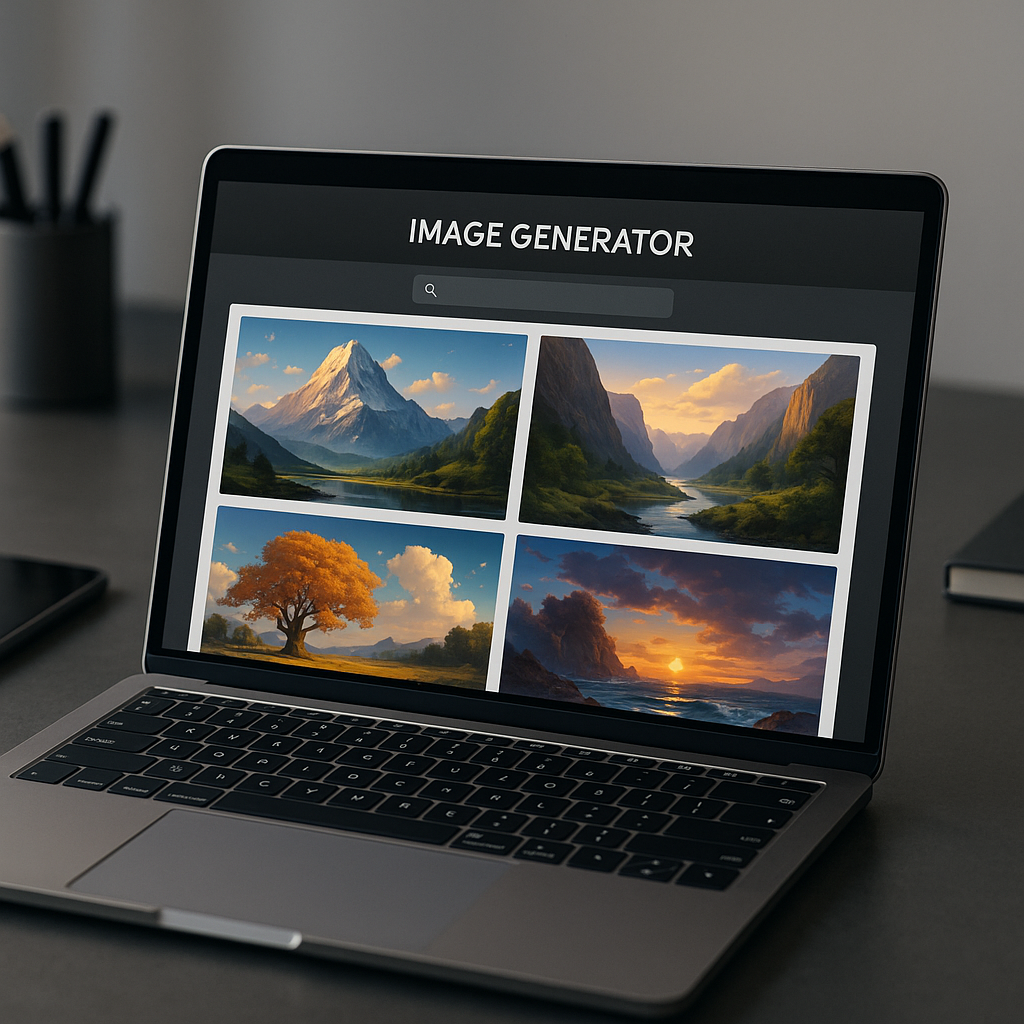
Image Generators
In recent years, the rise of artificial intelligence has transformed various sectors, and one of the most fascinating developments is the emergence of image generators. These advanced AI systems can create stunning visuals from textual descriptions, offering unprecedented capabilities for artists, designers, and marketers alike. The evolution of image generation technology has sparked significant interest, leading to discussions about its implications on creativity, copyright, and the future of visual arts.
Image generators are powered by sophisticated algorithms, predominantly deep learning models that are trained on vast datasets of images and associated text. At the forefront of this technology are systems like OpenAI's DALL-E, Midjourney, and Stability AI's Stable Diffusion. These platforms are capable of producing images that range from photorealistic to stylistic interpretations, depending on the input prompts provided by users. The results can be both striking and surreal, pushing the boundaries of what was previously thought possible in digital art creation.
The technology behind these generators hinges primarily on a type of neural network known as Generative Adversarial Networks (GANs). GANs consist of two neural networks—the generator and the discriminator—that work in tandem. The generator creates images, while the discriminator evaluates them against real images, providing feedback to enhance the generator's output. This iterative process results in progressively improved image quality, eventually yielding results that can be indistinguishable from real photographs or traditional artwork.
One of the most appealing aspects of image generators is their accessibility. With user-friendly interfaces, individuals without formal artistic training can create complex visuals simply by typing a description. This democratization of art offers new opportunities for creativity, allowing anyone to conceptualise and produce visuals without the need for extensive skills in graphic design or illustration. As a result, many are embracing these tools for personal projects, social media content, and even professional purposes.
However, the rise of image generators also raises important questions about copyright and ownership. As AI systems learn from existing artworks, concerns have emerged regarding the potential for plagiarism and the infringement of intellectual property rights. If an image generator produces a work that closely resembles an existing piece, who holds the copyright? This dilemma has led to ongoing debates among artists, legal experts, and technologists about how to navigate the complexities of authorship in the age of AI.
Artists have expressed mixed feelings about AI-generated art. While some embrace the technology as a tool for inspiration and exploration, others fear it could undermine the value of human creativity. The traditional art community is grappling with the implications of AI on their craft, with some arguing that art created by machines lacks the emotional depth and intention that comes from human experience. Conversely, others contend that AI can augment human creativity, serving as a collaborator rather than a replacement.
In commercial applications, image generators are proving to be invaluable assets for marketing and branding. Companies are leveraging these tools to generate eye-catching visuals for advertisements, product designs, and social media campaigns, often at a fraction of the cost of hiring professional photographers or graphic designers. This shift not only streamlines the creative process but also enables brands to experiment with diverse aesthetics and concepts quickly.
Moreover, image generators have found their way into various industries including gaming, film, and fashion. Game developers utilise AI-generated assets to create immersive environments and characters, while filmmakers explore unique visual styles for animations and special effects. In the fashion realm, designers are experimenting with AI to conceptualise clothing and accessories, pushing the envelope of creativity while saving time in the design process.
Despite the advancements and potential benefits, the use of image generators is not without its challenges. The quality of generated images can vary significantly based on the input provided. Users may need to experiment with different prompts to achieve desired results, which can be time-consuming. Additionally, there is a growing concern about the ethical implications of using AI in creative fields. Issues such as biased data sets leading to stereotypical representations and the potential for misuse in creating harmful or misleading imagery are critical considerations for developers and users alike.
As image generation technology continues to evolve, it is becoming apparent that it will play a significant role in shaping the future of visual arts. The integration of AI into creative processes is likely to lead to new forms of collaboration between humans and machines. Artists may increasingly adopt AI as a tool for experimentation, allowing for innovative approaches that merge traditional techniques with cutting-edge technology.
In response to the rapid advancements and the ethical questions they raise, many organisations and artists are advocating for clear guidelines and frameworks to govern the use of AI in creative practices. These measures could help establish standards for copyright, ensure fair compensation for artists whose work is used to train AI systems, and promote responsible usage of technology in the creative industry.
As we move forward, it is essential for stakeholders across the creative spectrum to engage in conversations about the implications of image generators. Balancing the potential benefits of this technology with the need to protect artistic integrity and promote ethical practices will be crucial in navigating the future of art in an increasingly digital world. The dialogue surrounding AI and creativity is just beginning, and its outcomes will undoubtedly shape the landscape of visual arts for generations to come.
Recent Posts
Head-to-Head: Comparing Top AI Models in Работа с Нейросетями and Their Impact
червень 16, 2026
Debunking Myths: The Realities of Работа с Нейросетями and AI Models Today
червень 16, 2026
Unlocking Creativity: A Simple Guide to Using Image Generators for Beginners
червень 16, 2026
Maximum Potential
Отримайте повний досвід із планом Pro
ІНФОРМАЦІЯ