April 4, 2026
Unlock Your Creativity: How Image Generators are Revolutionizing Art and Design
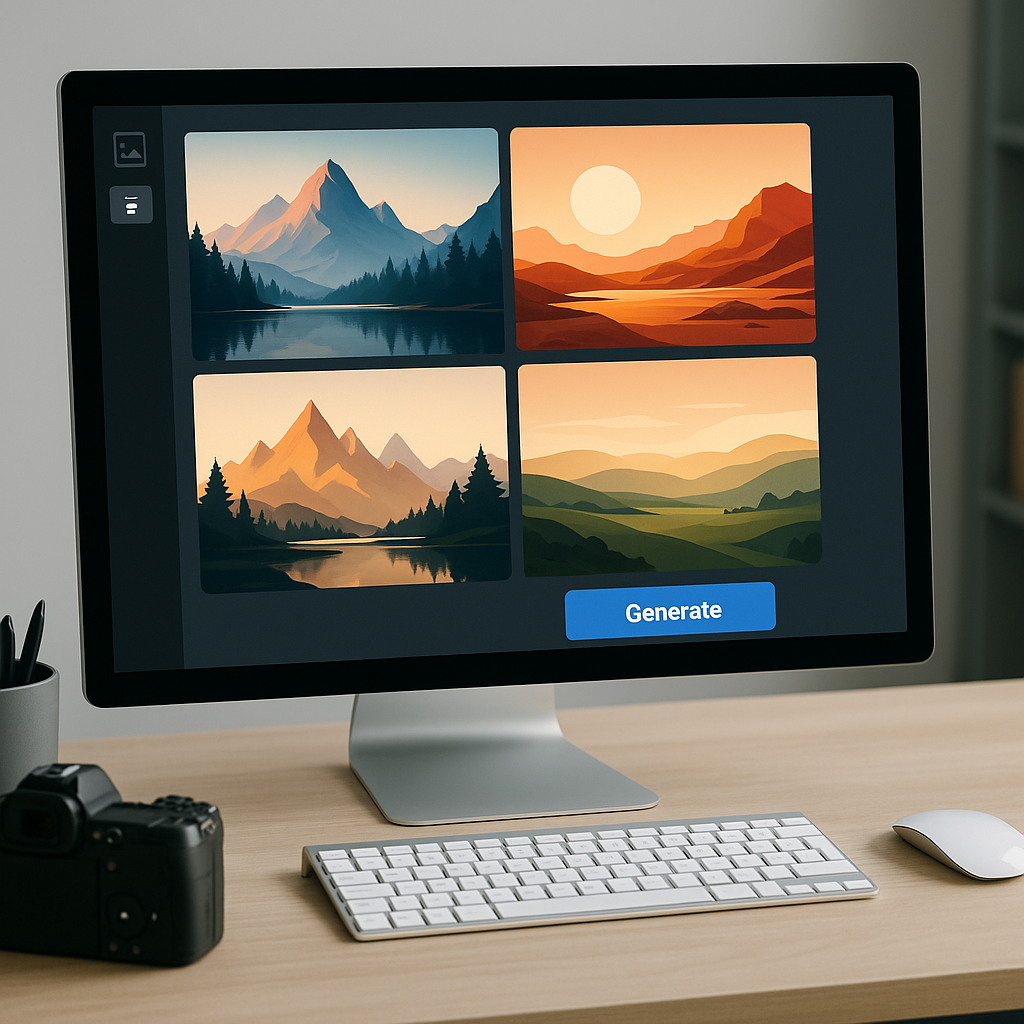
Image Generators
The rise of image generators has revolutionized the way we create and consume visual content. These sophisticated tools leverage artificial intelligence, particularly deep learning algorithms, to generate images from textual descriptions or to manipulate existing images in innovative ways. The implications of this technology are profound, spanning across various industries from entertainment to advertising and even art, challenging traditional notions of creativity and authorship.
At the heart of image generation technology is a type of artificial intelligence known as Generative Adversarial Networks (GANs). Developed by Ian Goodfellow in 2014, GANs consist of two neural networks—the generator and the discriminator—that work in tandem. The generator creates images, while the discriminator evaluates them against real images. This back-and-forth process continues until the generator produces images that are indistinguishable from real ones. Over the years, GANs have evolved significantly, leading to the emergence of various applications that can produce stunningly realistic images in a matter of moments.
One notable application of image generators is in the realm of art. Artists and creators are now using AI tools to augment their creative processes. Platforms like DALL-E, Midjourney, and Stable Diffusion allow users to generate artwork simply by inputting a descriptive phrase. For instance, a user might type "a serene landscape with mountains and a sunset," and within seconds, the AI produces a unique piece of art that reflects that description. This capability not only democratizes art creation but also raises questions about the nature of creativity. Can a machine truly be considered an artist, or is it merely a tool in the hands of human creators?
The commercial aspects of image generators are equally compelling. Businesses are increasingly adopting these technologies for marketing and advertising. Custom images can be generated on-the-fly to suit specific campaigns, which allows for rapid iteration and personalization. For example, a fashion brand could create promotional materials featuring models wearing unique outfits that were generated based on trending styles, all without the need for a costly photoshoot. This not only streamlines the production process but also provides a level of customization that was previously unattainable.
However, the rise of image generators also brings with it ethical considerations and challenges. The ability to create hyper-realistic images raises concerns about misinformation and deepfakes. Manipulated images can be used maliciously to spread false information or damage reputations, leading to a growing demand for tools that can detect AI-generated content. As image generators become more sophisticated, distinguishing between what is real and what is artificially created becomes increasingly difficult, prompting discussions around the need for regulations and standards in digital content creation.
Moreover, there is an ongoing debate regarding copyright and intellectual property rights. If an image is generated by an AI, who owns the rights to that image? The person who provided the input, the developers of the AI, or the AI itself? These questions have sparked legal discussions and necessitate a reevaluation of existing laws to accommodate the new realities of digital creation. As courts and legislators grapple with these issues, the landscape of intellectual property is poised for significant change.
Despite the challenges, the potential applications of image generators are vast and varied. In the gaming industry, for instance, developers are exploring ways to use these tools to create expansive, immersive environments that adapt to the player’s actions in real time. This could lead to more personalized gaming experiences and richer storytelling. Similarly, in the film industry, image generation technology can assist in visual effects, concept art, and even script visualization, enabling filmmakers to present their visions to stakeholders more effectively.
Education is another sector that stands to benefit from image generators. Educators can create custom visual aids tailored to their specific curriculum needs. For example, a science teacher could generate detailed diagrams of cellular processes or anatomical structures, making complex subjects more accessible to students. This kind of customization not only enhances learning but also engages students in ways that traditional materials may not.
As image generation technology continues to advance, the conversation around its impact on society will undoubtedly grow. Companies like OpenAI, Adobe, and NVIDIA are at the forefront of developing these tools, pushing the boundaries of what is possible. OpenAI's DALL-E, for instance, not only generates images from text prompts but also allows users to edit images by specifying changes, making it a powerful tool for creative professionals.
Public perception of image generators is also evolving. Initially met with skepticism, many users have begun to embrace these tools as valuable allies in the creative process. Social media platforms are filled with examples of AI-generated artwork, with users sharing their creations and the prompts that inspired them. This community-driven approach not only fosters creativity but also encourages collaboration between human artists and AI.
In conclusion, image generators represent a significant advancement in artificial intelligence, with the potential to transform numerous industries. While they offer exciting opportunities for creativity and efficiency, they also pose ethical and legal challenges that society must address. As we continue to explore the capabilities of these technologies, it is essential to strike a balance between innovation and responsibility, ensuring that the benefits of image generation are realized while mitigating the risks associated with its misuse. The future of visual content creation is undoubtedly bright, but it is one that requires careful navigation as we embrace the possibilities of AI-driven artistry.
Recent Posts
Breakthrough in Neural Networks: How New AI Models Revolutionize Global Tech
June 16, 2026
Head-to-Head: Comparing Neural Network Models and Their Impact on AI Work Today
June 16, 2026
New Breakthrough in Image Generators Promises to Revolutionize Artistic Expressi...
June 16, 2026
Maximum Potential
Get the full experience with Pro Plan
INFORMATION