April 28, 2026
Unlock Your Creativity: How Image Generators Are Revolutionizing Art and Design
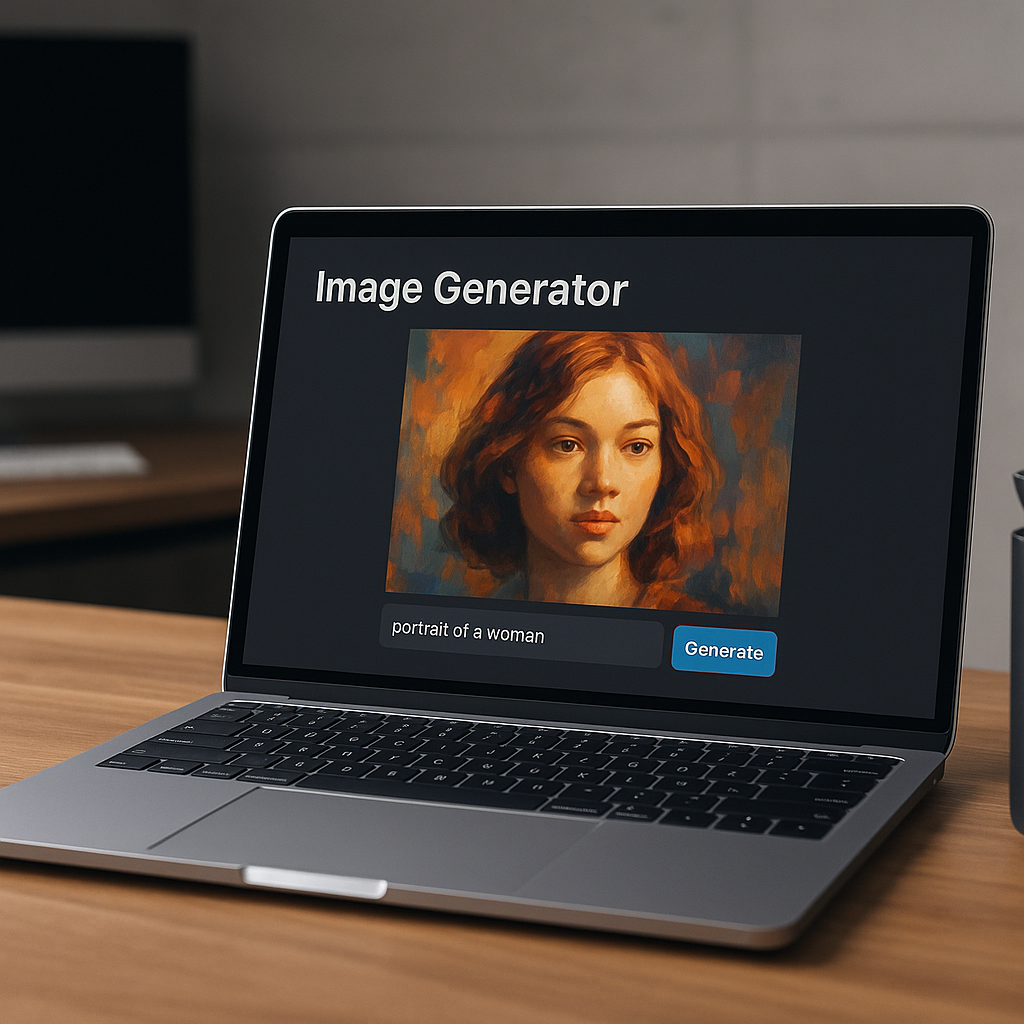
Image Generators
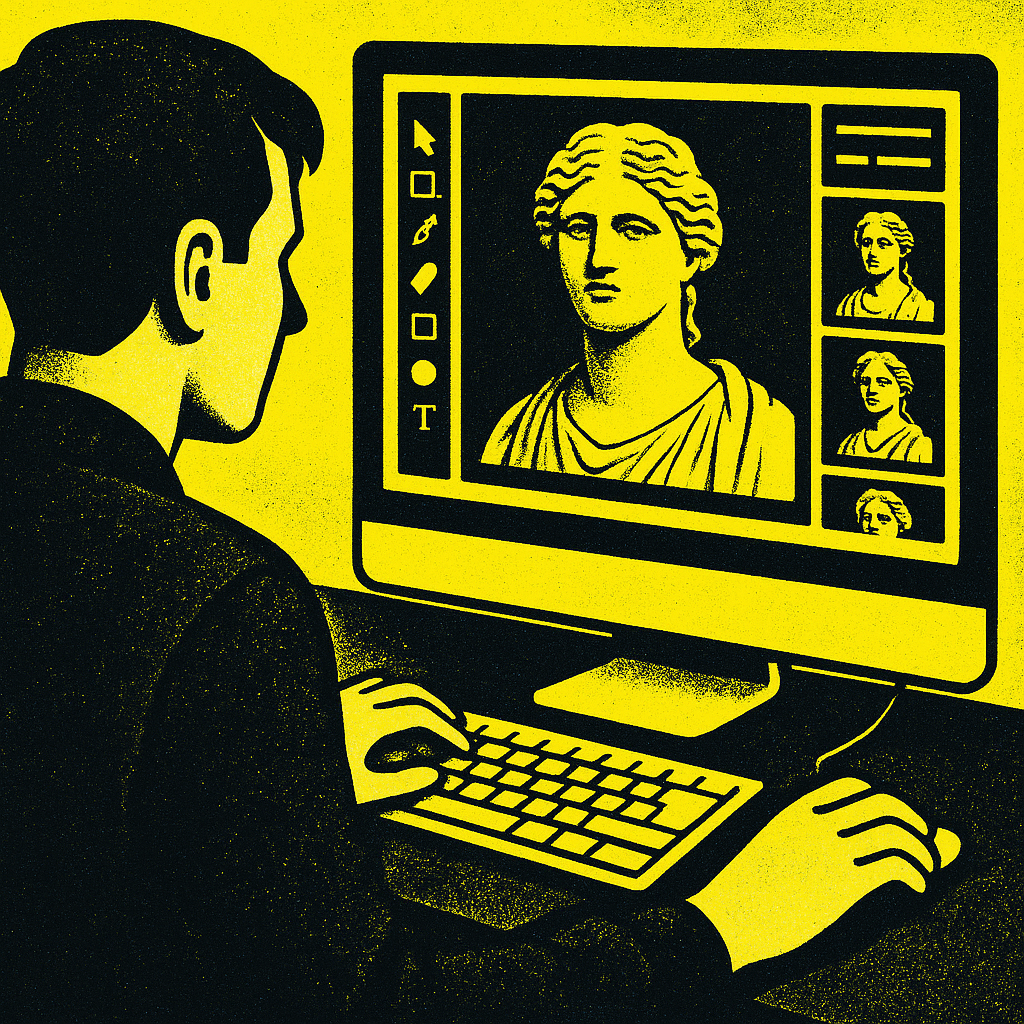
The rapid advancement of artificial intelligence has brought forth a plethora of innovative tools, one of which is image generators. These cutting-edge technologies harness the power of machine learning and neural networks to create stunning visual content from textual descriptions. As the demand for unique and high-quality images continues to rise in various sectors such as marketing, entertainment, and even personal use, image generators are becoming increasingly indispensable. This article delves into the workings of image generators, their applications, and the societal implications of this technology.
At the heart of image generation is a subset of AI known as Generative Adversarial Networks (GANs). These networks consist of two primary components: a generator and a discriminator. The generator creates images based on random noise or input data, while the discriminator evaluates these images against real ones, providing feedback to the generator. Through this adversarial process, the generator learns to produce ever more realistic images, eventually reaching a point where it can create visuals that are virtually indistinguishable from real photographs.
Another notable approach involves diffusion models, which have gained popularity for their ability to produce high-quality images. These models work by gradually refining an image from random noise, iteratively improving it until a clear representation emerges. Diffusion models have shown impressive results in generating images that capture intricate details and complex textures, further pushing the boundaries of what AI can accomplish in the realm of visual creativity.
The applications of image generators are vast and varied. In the marketing sector, companies are leveraging these tools to create visually appealing advertisements, social media posts, and website graphics without the need for extensive graphic design resources. This not only saves time and cost but also allows for rapid iteration and customization based on consumer feedback. For instance, businesses can generate multiple variations of a product image to test which resonates best with their audience, optimizing their marketing strategies in real time.
In the realm of entertainment, image generators are transforming the creative process for artists and filmmakers. Concept artists can produce illustrations for characters, settings, and scenes, allowing for quick visual exploration of ideas. Filmmakers can use these tools to visualize scenes before filming, enabling more informed decisions during pre-production. Furthermore, game developers are utilizing image generators to create immersive game environments and character designs, significantly accelerating the development process.
Personal use of image generators has also surged, with individuals creating unique artwork for personal projects or social media. Platforms that host these tools have emerged, allowing users to simply input a description or select styles to generate images that reflect their visions. This democratization of art creation empowers anyone with an idea to produce visually striking content, regardless of their artistic skills.
However, the rise of image generators is not without its challenges and ethical considerations. One primary concern is the potential for misuse. With the ability to generate hyper-realistic images easily, there is a risk of creating deceptive content, including deepfakes and misinformation. The implications of such misuse can be profound, affecting public perception and trust in media. As a result, discussions around regulations and ethical guidelines for the use of AI-generated content have become increasingly prominent.
Additionally, the question of copyright and ownership arises. As image generators create artwork based on vast datasets that include images from various sources, the legality of the generated content can be murky. Who owns the rights to an image created by an AI? Is it the developer of the generator, the user who input the description, or the original creators of the images the AI was trained on? These questions are sparking debates within legal frameworks and prompting calls for clearer guidelines as the technology evolves.
Moreover, there is a concern regarding the impact of AI on traditional artists and creators. While image generators can produce visually stunning images in seconds, this raises fears of devaluing the work of human artists. Some argue that the unique perspectives and emotional depth that human creativity brings cannot be replicated by machines. This has led to discussions about the importance of preserving and valuing traditional art forms in an increasingly digital world.
Despite these challenges, the future of image generators appears promising. Continuous advancements in AI technology are likely to enhance the capabilities of these tools, making them even more intuitive and user-friendly. As developers work to address ethical concerns and implement safeguards, the potential for constructive applications remains significant. For instance, AI could assist in creating educational materials, aiding in the visualization of complex scientific concepts or historical events, thereby enhancing learning experiences.
The integration of image generators into various industries is expected to grow, with a focus on collaboration between humans and machines. Rather than replacing artists, these tools can serve as collaborators, enabling creators to explore ideas and push the boundaries of their work. This partnership could lead to a renaissance in creativity, where human ingenuity combined with AI capabilities results in innovative and groundbreaking artistic expressions.
In conclusion, image generators represent a remarkable intersection of technology and creativity, offering unprecedented opportunities for individuals and businesses alike. As these tools become more sophisticated and accessible, they are poised to transform how we create and consume visual content. While challenges surrounding ethics and ownership remain, the ongoing dialogue surrounding these issues will shape the future landscape of AI-generated imagery. Embracing the potential of image generators while ensuring responsible use will be crucial as society navigates this new frontier of digital art.
Recent Posts
Breakthrough in Neural Networks: How New AI Models Revolutionize Global Tech
June 16, 2026
Head-to-Head: Comparing Neural Network Models and Their Impact on AI Work Today
June 16, 2026
New Breakthrough in Image Generators Promises to Revolutionize Artistic Expressi...
June 16, 2026
Maximum Potential
Get the full experience with Pro Plan
INFORMATION