May 1, 2026
Unlock Your Creativity: How Image Generators Are Revolutionizing Digital Art
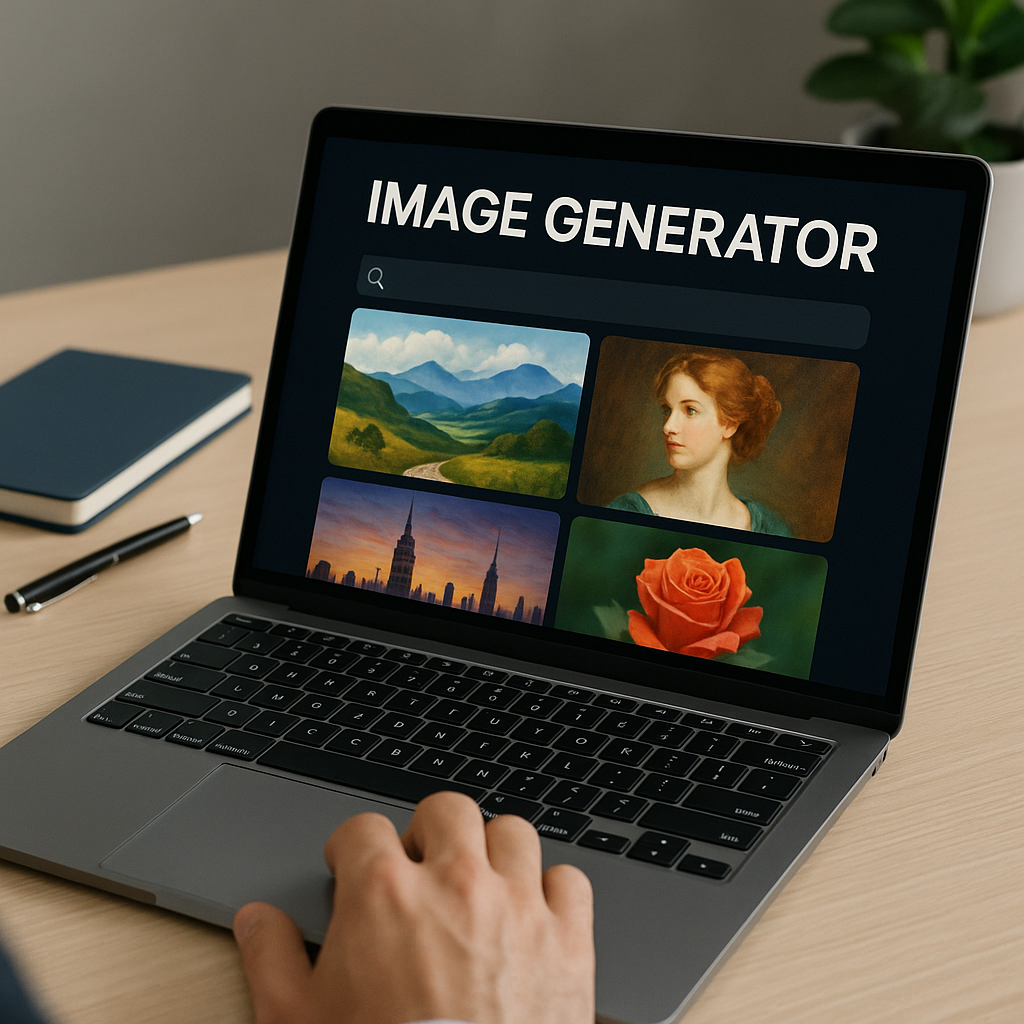
Image Generators
In recent years, the landscape of digital art and content creation has been irrevocably transformed by the advent of image generators powered by artificial intelligence (AI). These innovative tools, which utilize deep learning algorithms to create images from textual descriptions, have captivated artists, designers, and even casual users with their remarkable capabilities. The rise of image generators marks a significant shift in how visual content is produced, challenging traditional artistic processes and raising important questions about creativity, copyright, and the future of art.
At the core of image generators is a technology known as Generative Adversarial Networks (GANs). This model consists of two components: the generator, which creates images, and the discriminator, which evaluates them for authenticity. Essentially, the generator attempts to produce images that are indistinguishable from real ones, while the discriminator assesses the outputs, providing feedback to improve the generator's performance. Over time, this iterative process enables the model to create increasingly sophisticated and realistic images, often surpassing human capability in terms of speed and diversity.
Leading the charge in this field are platforms like DALL-E, Midjourney, and Stable Diffusion, each with its unique strengths and applications. DALL-E, developed by OpenAI, allows users to enter detailed prompts and generates a range of images that correspond to the description. Its ability to understand nuanced language and create imaginative visuals has made it particularly popular among creatives. Midjourney, on the other hand, is known for its artistic flair, producing visually stunning outputs that often resemble stylized paintings. Stable Diffusion stands out for its open-source nature, allowing users to run the model on their hardware, fostering a community-driven approach to image generation.
The applications of these image generators are vast and varied. In the world of marketing and advertising, companies are leveraging AI-generated visuals to create engaging content at an unprecedented pace. Instead of relying on stock images or commissioning custom artwork, brands can generate tailored visuals that align perfectly with their campaigns. This not only saves time but also reduces costs associated with traditional content creation processes.
Moreover, educators and researchers are exploring the potential of image generators in educational settings. By allowing students to visualize complex concepts or historical events, these tools can enhance learning experiences. For instance, a student studying ancient civilizations could generate images of historical artifacts or reconstructions of ancient cities, providing a more immersive understanding of the subject matter.
However, the rapid advancement of image generators also raises several ethical and legal concerns. One of the most pressing issues is copyright infringement. As these models are trained on vast datasets of existing images, questions arise regarding the ownership of the generated content. If an AI creates an image that closely resembles an existing artwork, who holds the copyright? Artists and copyright holders are increasingly worried about the potential for AI-generated works to dilute the value of their creations and undermine their livelihoods.
Additionally, there is a broader concern about the implications of AI in creative fields. While image generators can produce stunning visuals, they lack the emotional depth and human experience that often informs genuine artistic expression. Critics argue that relying too heavily on AI-generated content could lead to a homogenization of art, where unique voices and perspectives are overshadowed by the algorithm's outputs. This tension between technology and human creativity invites a re-examination of what it means to be an artist in the age of AI.
To address these challenges, some organizations are advocating for clearer guidelines and frameworks governing the use of AI in creative industries. Initiatives aimed at promoting responsible AI practices are emerging, encouraging transparency in the datasets used for training models and advocating for fair compensation for artists whose works contribute to these datasets. By fostering collaboration between technologists and artists, the goal is to create a balanced ecosystem that respects creativity while embracing innovation.
Despite the controversies, the popularity of image generators continues to grow. They have sparked a new wave of creativity, inspiring artists to experiment with these tools to expand their artistic boundaries. Many creators are now using image generators as a collaborative partner, blending their own artistic vision with the capabilities of AI to produce unique and thought-provoking works. This synergy highlights the potential for human-AI collaboration to enhance rather than replace traditional artistic practices.
In the realm of social media, image generators have also found a significant following. Platforms like Instagram and TikTok are flooded with content showcasing AI-generated art, with users sharing their creations and engaging in challenges that push the limits of what these tools can achieve. This democratization of art creation has empowered individuals who may not have formal training to express themselves creatively, fostering a vibrant community of enthusiasts and innovators.
As technology continues to evolve, the future of image generators remains a topic of intense interest and speculation. Researchers are continually refining these models, enhancing their capabilities to understand context, style, and emotional nuance. The potential for integration with augmented reality (AR) and virtual reality (VR) applications is also on the horizon, promising to blur the lines between digital and physical art forms.
In conclusion, image generators represent a remarkable intersection of technology and creativity, offering exciting possibilities while also posing significant challenges. As this field continues to develop, it is essential for artists, technologists, and policymakers to engage in meaningful dialogue to navigate the complexities of AI-generated content. By addressing ethical concerns and fostering collaboration, society can harness the power of image generators to enrich artistic expression and creativity while safeguarding the rights and livelihoods of human artists.
Recent Posts
Breakthrough in Neural Networks: How New AI Models Revolutionize Global Tech
June 16, 2026
Head-to-Head: Comparing Neural Network Models and Their Impact on AI Work Today
June 16, 2026
New Breakthrough in Image Generators Promises to Revolutionize Artistic Expressi...
June 16, 2026
Maximum Potential
Get the full experience with Pro Plan
INFORMATION