May 8, 2026
Unlock Your Creativity: How Image Generators are Revolutionizing Digital Art
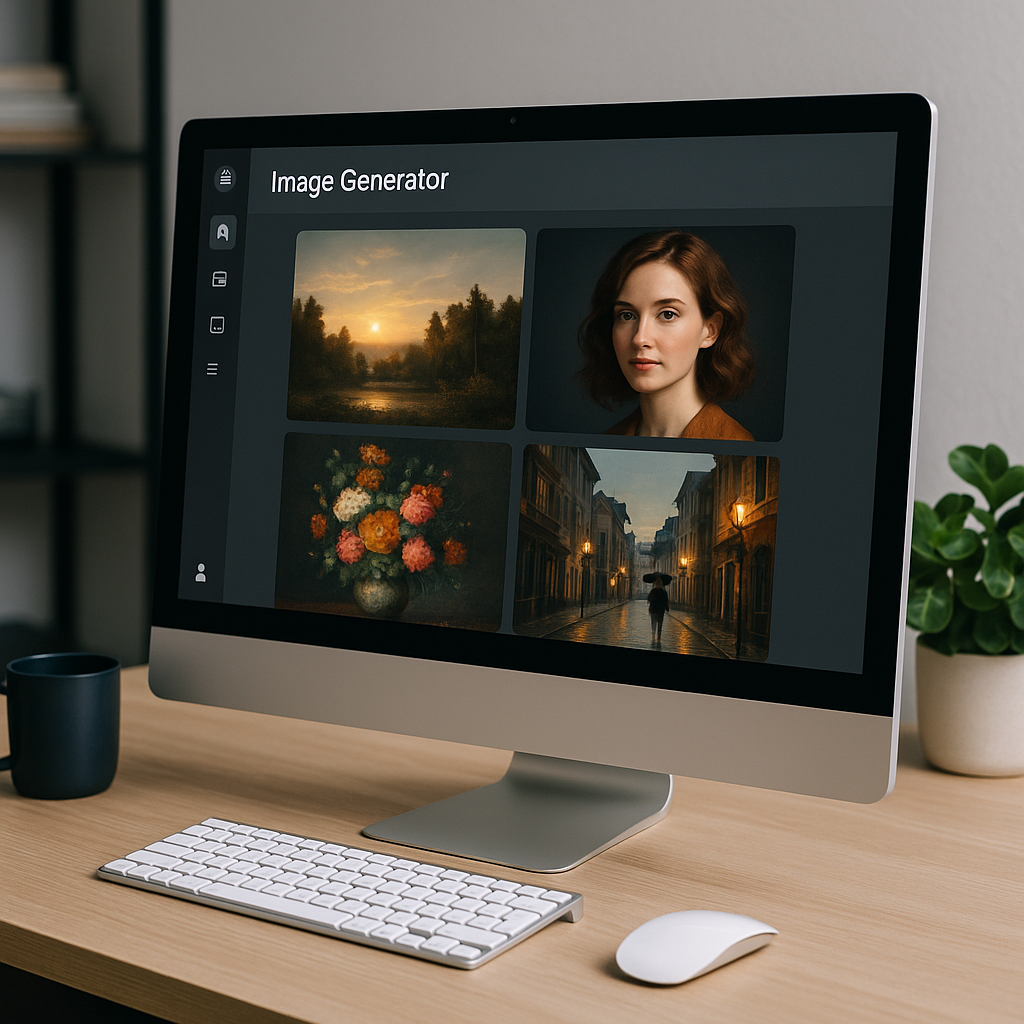
Image Generators
In recent years, the rapid advancement of artificial intelligence has birthed a new generation of image generators, a technology that is reshaping how we create and conceptualize visual content. These sophisticated tools leverage deep learning algorithms to generate high-quality images, often indistinguishable from those created by human artists. As industries ranging from advertising to gaming embrace these innovations, the implications for creativity, copyright, and ethics are becoming increasingly significant.
At the core of image generation technology is a type of neural network known as Generative Adversarial Networks (GANs). The GAN architecture consists of two main components: a generator and a discriminator. The generator creates images from random noise, while the discriminator evaluates them against real images. This process is akin to a game of cat and mouse, where the generator continuously refines its outputs to fool the discriminator into believing that its creations are real. Over time, this iterative process leads to the production of highly realistic images, demonstrating the power of machine learning in creative fields.
One of the most notable examples of image generators is OpenAI's DALL-E, which gained significant attention for its ability to generate images from textual descriptions. Users can input a variety of prompts, and DALL-E responds with unique and often imaginative visuals that illustrate the specified concepts. For instance, a request for "a two-headed flamingo wearing a top hat" results in an entirely original image that captures the whimsy of the description. This capability not only showcases the potential for creativity but also raises questions about the implications of AI-generated content in art and design.
The commercial applications of image generators are vast and varied. In marketing, brands are increasingly using these tools to create eye-catching visuals for advertisements and social media campaigns. By streamlining the creative process, companies can generate tailored content quickly and efficiently, allowing for greater flexibility in their marketing strategies. Additionally, the gaming industry has begun to utilize image generation to develop assets, environments, and characters, drastically reducing the time and resources required for game design.
Despite the benefits, the rise of image generators also presents challenges, particularly regarding copyright and ownership. As these tools create images that can closely mimic the style of established artists, questions arise about intellectual property rights. Who owns the rights to an image generated by AI? Is it the creator of the algorithm, the user who input the command, or the original artist whose style was emulated? These complex legal dilemmas are prompting discussions within the creative community and among policymakers about how to navigate the uncharted territory of AI-generated content.
Moreover, the potential for misuse of image generators is a growing concern. The ability to create realistic images can lead to the proliferation of deepfakes, which can be used to spread misinformation or manipulate public opinion. For instance, generating fake images of public figures can have serious ramifications, undermining trust in media and exacerbating the challenges posed by disinformation campaigns. This potential for abuse underscores the need for ethical guidelines and regulatory frameworks to ensure responsible use of AI technologies.
As image-generating technologies continue to evolve, many experts emphasize the importance of collaboration between artists and AI. Rather than viewing AI as a replacement for human creativity, it can be seen as a complementary tool that enhances artistic expression. Some artists are already experimenting with AI-generated images, using them as a starting point for their work. This hybrid approach fosters a dynamic interplay between human creativity and machine learning, resulting in innovative forms of art that may not have been possible through traditional methods alone.
In educational settings, image generators are being incorporated into curricula to teach students about the principles of AI and machine learning. By engaging with these tools, students can gain a deeper understanding of how technology can influence creative fields, encouraging a new generation of innovators who are well-versed in the intersection of art and technology. This proactive approach helps prepare future artists to navigate the challenges and opportunities presented by AI in their careers.
Looking ahead, the future of image generation holds immense potential. As algorithms become more sophisticated and datasets grow more diverse, the quality and diversity of generated images will likely improve. Innovations in user interfaces may also make these tools more accessible to non-experts, democratizing the ability to create high-quality visuals. As these advancements unfold, the creative landscape will continue to evolve, prompting ongoing discussions about the role of technology in shaping artistic expression.
In conclusion, image generators represent a fascinating intersection of art and technology that is transforming how we think about creativity. While the benefits of these tools are clear—from enhancing marketing strategies to inspiring new forms of artistic expression—the challenges they pose regarding copyright, ethical use, and misinformation cannot be overlooked. As society grapples with these complex issues, the dialogue surrounding AI-generated content will be crucial in shaping a future where technology and creativity coexist harmoniously. As we embrace this new frontier, it is essential to foster an environment where innovation can thrive while ensuring that the integrity of artistic expression is maintained.
Recent Posts
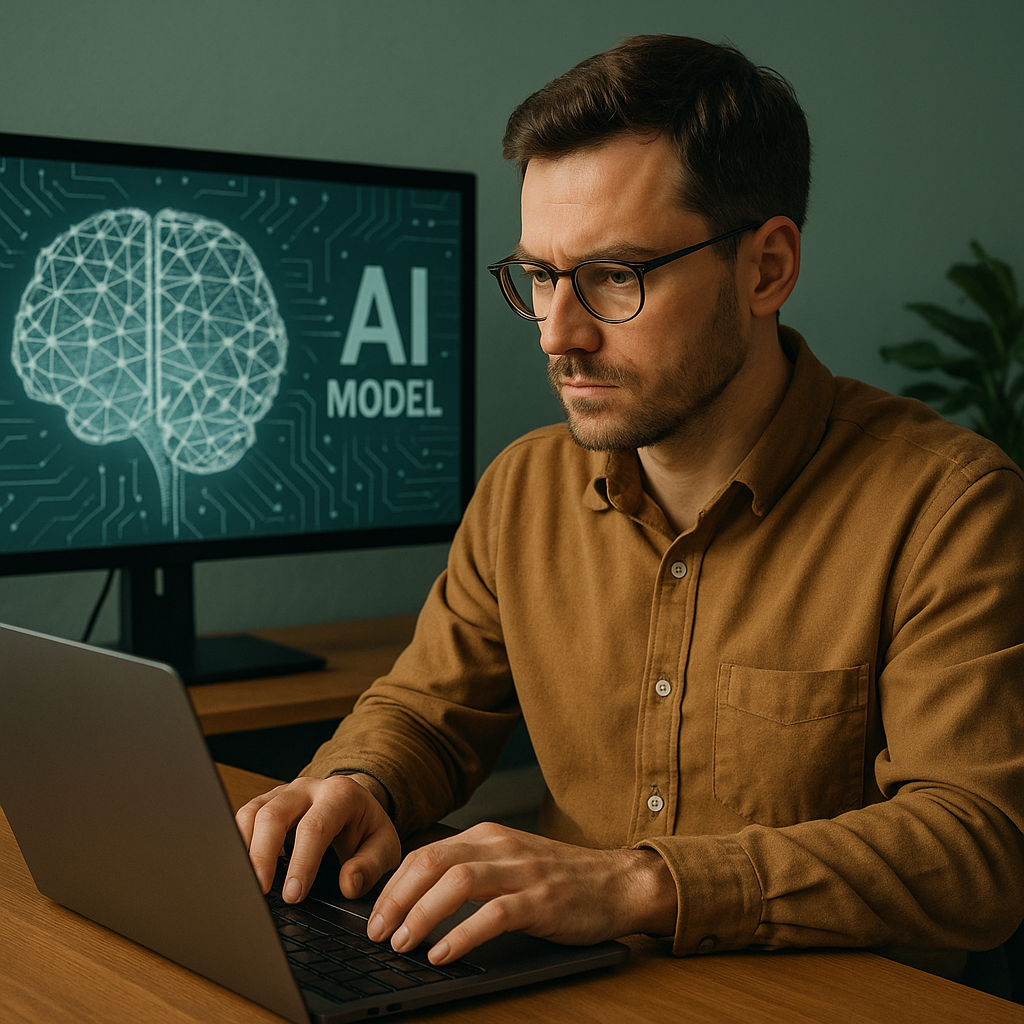
Breakthrough in Neural Networks: How New AI Models Revolutionize Global Tech
June 16, 2026
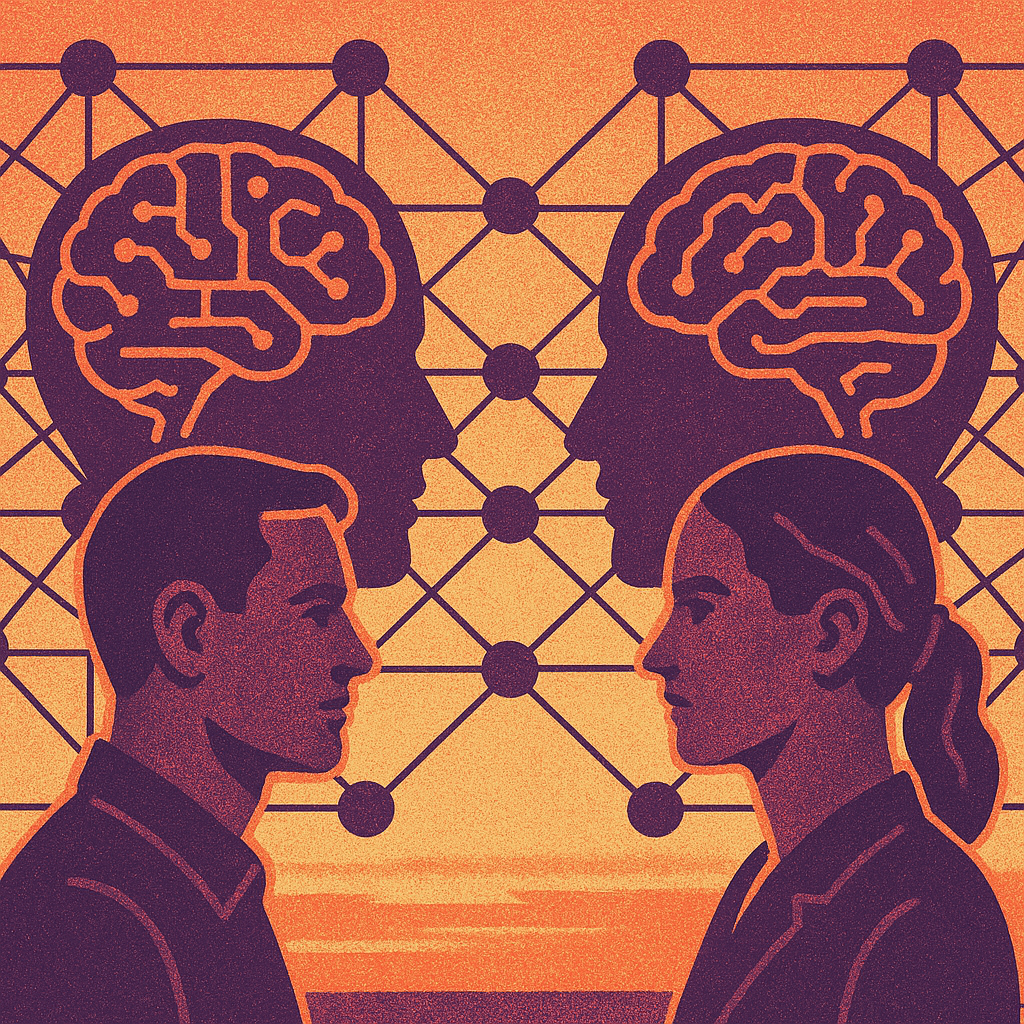
Head-to-Head: Comparing Neural Network Models and Their Impact on AI Work Today
June 16, 2026
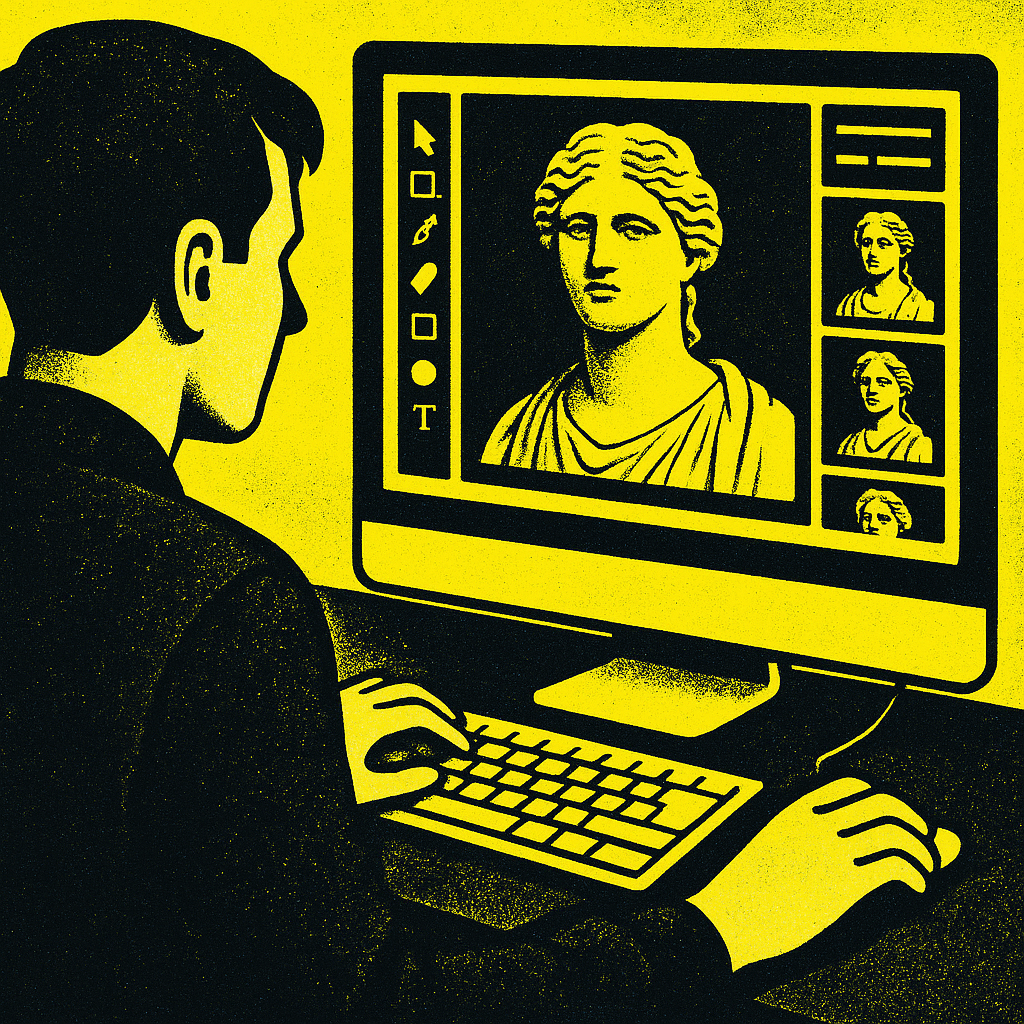
New Breakthrough in Image Generators Promises to Revolutionize Artistic Expressi...
June 16, 2026
Maximum Potential
Get the full experience with Pro Plan
INFORMATION