May 9, 2026
Unlock Your Creativity: How Image Generators Are Revolutionizing Digital Art
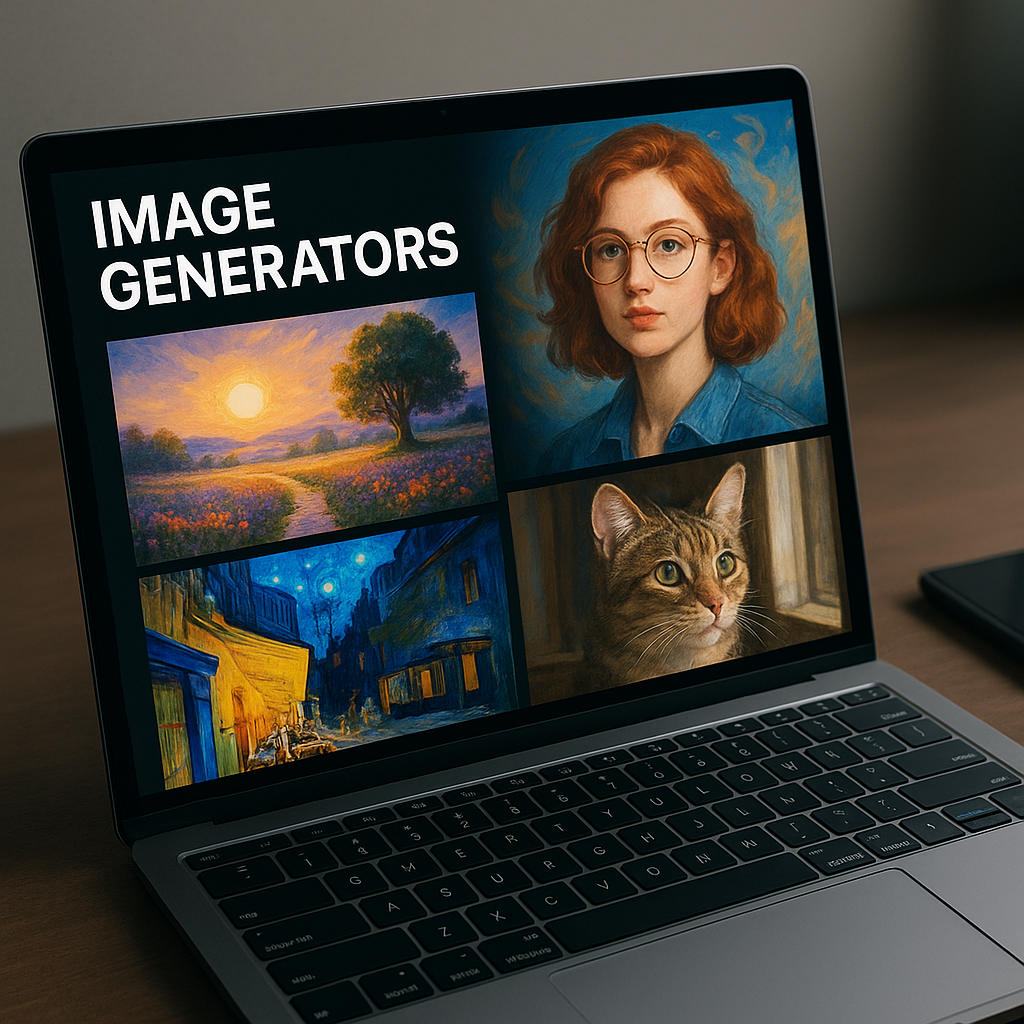
Image Generators
In the rapidly evolving landscape of artificial intelligence (AI), image generators have emerged as one of the most fascinating and transformative technologies. These AI systems are capable of creating realistic images from textual descriptions, enabling users to visualize concepts, ideas, and scenes that may not exist in the real world. As their capabilities grow, so too does the debate surrounding their implications for art, copyright, and society at large.
The foundation of image generators lies in a subset of AI known as generative adversarial networks (GANs). Developed by Ian Goodfellow in 2014, GANs consist of two neural networks—the generator and the discriminator—that work in opposition to improve the quality of generated images. The generator creates images, while the discriminator evaluates their authenticity. Through this iterative process, GANs can produce images that often appear indistinguishable from real photographs.
Another prominent method for generating images is diffusion models, which have gained traction in recent years. These models operate by gradually transforming random noise into coherent images, guided by a series of learned patterns. This approach has proven particularly effective in creating high-resolution images, bringing a new level of sophistication to AI-generated art.
In practical terms, tools like OpenAI’s DALL-E, Google’s Imagen, and Stability AI’s Stable Diffusion are at the forefront of this technology. DALL-E, for instance, allows users to input descriptive phrases and receive a corresponding image that captures the essence of their request. This capability has resonated with artists, marketers, and creators, opening new avenues for creativity and expression.
The implications of image generators extend far beyond mere novelty. They have the potential to revolutionize industries such as advertising, gaming, and film. Marketers can use these tools to create custom visuals tailored to specific campaigns, thus reducing the need for extensive photoshoots or graphic design work. In the gaming industry, developers can generate unique environments and characters, streamlining the design process and enhancing player experiences.
However, the rise of image-generating AI also raises significant ethical and legal questions. With the ability to create hyper-realistic images, concerns about misinformation and deepfakes have become increasingly prominent. In a world where visual content can be easily manipulated, the potential for misuse is vast. As these tools become more accessible, there is a heightened risk of individuals or organizations generating misleading images for malicious purposes.
Furthermore, the question of copyright looms large. Who owns the rights to an image generated by AI? The original creator of the algorithm, the user who input the text prompt, or perhaps no one at all? As these technologies continue to proliferate, legal frameworks are struggling to keep pace. Some jurisdictions are beginning to establish guidelines, but a comprehensive international standard remains elusive.
Artists, too, are grappling with the rise of image generators. While some view these tools as a threat to traditional art forms, others embrace them as a new medium for creativity. AI-generated artworks have already been featured in galleries and sold at auction, prompting discussions about the value of art in a digital age. Can a piece created by an algorithm be considered art, or does it lack the human touch that defines true artistry?
As society navigates these complex issues, education and awareness will play crucial roles. Understanding the capabilities and limitations of image generators is essential for both users and consumers. As these tools become more integrated into daily life, fostering critical thinking about the images we see—whether generated by machines or humans—will be paramount in combating misinformation and promoting responsible use.
Moreover, the potential for collaboration between humans and AI is immense. Artists who harness the power of image generators can push the boundaries of their creativity, using these tools to explore new styles and concepts. Instead of viewing AI as a competitor, many creators are discovering ways to integrate it into their workflows, enhancing their artistic processes rather than replacing them.
Looking ahead, the future of image generators is poised for further innovation. As researchers continue to refine algorithms and increase the sophistication of AI systems, we can expect even more realistic and diverse outputs. The integration of image generation technology with virtual and augmented reality could also open new frontiers, allowing users to create immersive experiences tailored to their preferences.
In conclusion, image generators represent a remarkable intersection of technology, creativity, and ethics. While they offer unprecedented opportunities for artistic expression and practical application, they also challenge our understanding of authorship, authenticity, and the nature of art itself. As we continue to explore the capabilities of these powerful tools, it is essential to engage in open discussions about their implications, ensuring that we harness their potential responsibly and ethically. The journey of image generators is just beginning, and it promises to reshape the way we perceive and interact with visual content in profound ways.
Recent Posts
Breakthrough in Neural Networks: How New AI Models Revolutionize Global Tech
June 16, 2026
Head-to-Head: Comparing Neural Network Models and Their Impact on AI Work Today
June 16, 2026
New Breakthrough in Image Generators Promises to Revolutionize Artistic Expressi...
June 16, 2026
Maximum Potential
Get the full experience with Pro Plan
INFORMATION