March 19, 2026
Unlock Your Creativity: How Image Generators Are Revolutionizing Digital Art
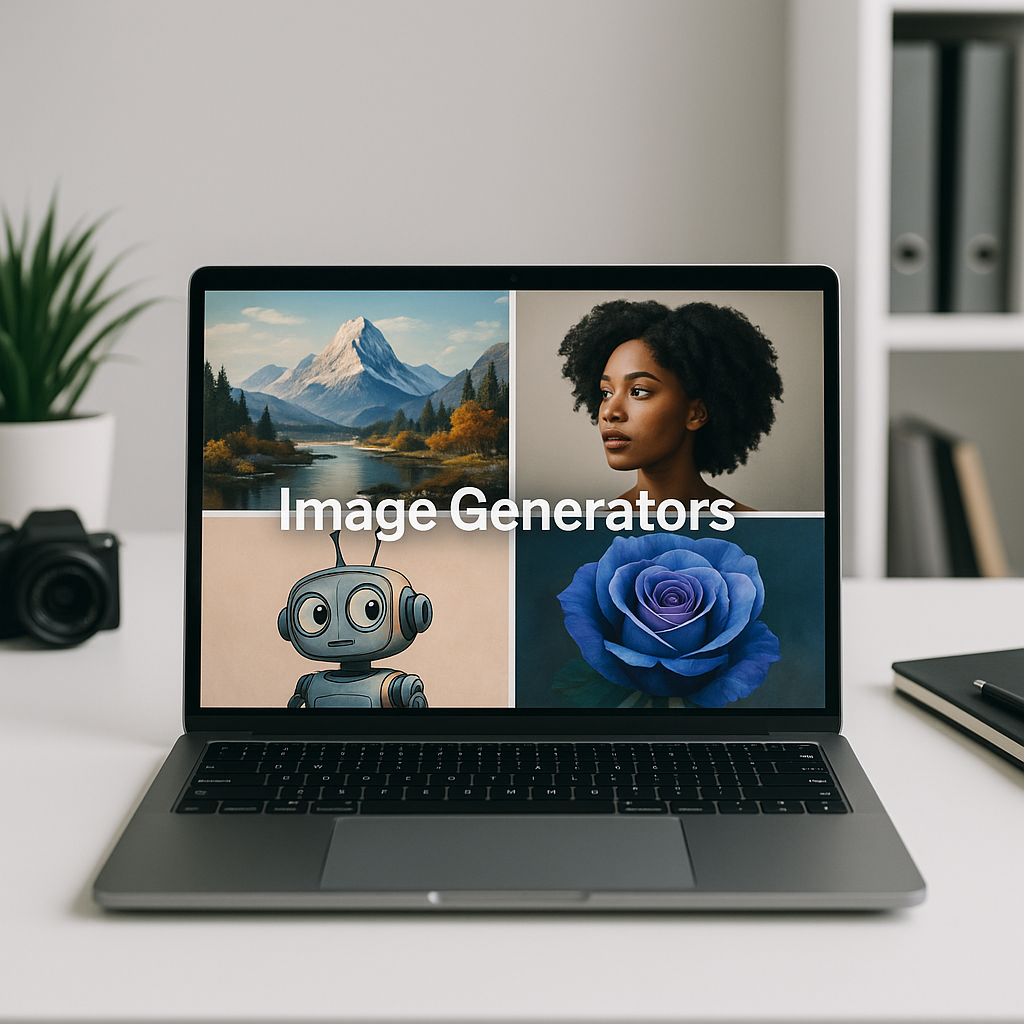
Image Generators
In recent years, the rise of image generators has revolutionized the way we create and interact with visual content. These advanced algorithms, powered by artificial intelligence (AI) and machine learning, are capable of generating high-quality images based on textual prompts or modifying existing images with remarkable precision. As technology continues to evolve, the implications for various industries, including art, marketing, and entertainment, are profound.
At the heart of image generation lies a branch of AI known as Generative Adversarial Networks (GANs). GANs consist of two neural networks, the generator and the discriminator, which work in tandem to create realistic images. The generator produces images from random noise, while the discriminator evaluates them against real images, providing feedback that helps the generator improve over time. This iterative process allows GANs to create increasingly sophisticated images that can be indistinguishable from those created by human artists.
One of the most notable advancements in this field is the emergence of tools like DALL-E, Midjourney, and Stable Diffusion. These platforms allow users to input descriptive text and receive unique images in return. For instance, typing "a futuristic cityscape at sunset" into DALL-E can yield a variety of creative interpretations, each with its own style and elements. Such capabilities have democratized art creation, enabling anyone with an internet connection to produce visually stunning content without needing extensive training in traditional artistic methods.
The implications of these tools extend beyond individual creativity. In the marketing and advertising sectors, companies are harnessing image generators to create eye-catching visuals tailored to specific campaigns. This not only reduces the time and cost associated with traditional graphic design but also allows for rapid experimentation with different styles and concepts. Moreover, businesses can generate personalized images for targeted audiences, enhancing engagement and connection with potential customers.
In the realm of entertainment, image generators are also making waves. Filmmakers and game developers are utilizing these technologies to create concept art, storyboards, and even entire scenes. The ability to visualize ideas quickly can streamline the creative process and inspire new narratives. Additionally, as virtual reality (VR) and augmented reality (AR) technologies advance, the demand for dynamic visual content will only increase, placing image generators at the forefront of these innovations.
However, with great power comes great responsibility. The rise of image generators has sparked significant debate about copyright, ownership, and ethical considerations. As AI-generated images become more prevalent, questions arise regarding who owns the rights to these creations. For example, if a company uses an AI tool to generate an advertisement, can they claim exclusive rights to the image? Furthermore, the potential for misuse looms large; the technology can be misappropriated to create misleading images or deepfakes, which pose threats to trust and authenticity in media.
In response to these challenges, industry leaders and policymakers are beginning to establish guidelines and frameworks to navigate the complexities of AI-generated content. Organizations like the Creative Commons and various intellectual property rights groups are advocating for clarity in copyright laws as they pertain to AI creations. Additionally, some platforms are implementing watermarking features to denote AI-generated images, helping to distinguish them from traditional artwork.
Moreover, the ethical implications of image generators extend to their impact on employment within creative industries. As these tools become more capable, some fear they may displace human artists and designers. However, many experts argue that rather than replacing creativity, image generators can augment human abilities. Artists can use these tools to explore new styles, generate inspiration, or automate mundane tasks, allowing them to focus on higher-level creative processes.
Educational institutions are also beginning to incorporate image generation technology into their curricula. As art and design programs adapt to the digital landscape, students are learning how to leverage AI tools to complement their artistic skills. This fusion of technology and creativity is preparing the next generation of artists for a future where AI plays a significant role in the creative process.
As we look ahead, the future of image generators appears bright but complex. The technology is still evolving, with ongoing advancements aimed at improving the quality and diversity of generated images. Researchers are exploring ways to make these systems more accessible, user-friendly, and capable of understanding nuanced prompts to produce even more relevant and personalized results.
Furthermore, companies are investing heavily in ethical AI development, recognizing the importance of responsible innovation. As the conversation around AI ethics continues to grow, the industry is increasingly focused on ensuring that advancements benefit society as a whole. This includes addressing biases present in training data that could lead to harmful stereotypes or underrepresentation in generated images.
In conclusion, image generators represent a significant leap forward in the intersection of technology and creativity. As these tools become more integrated into various sectors, they hold the potential to enhance artistic expression, streamline production processes, and foster innovation. However, the challenges associated with copyright, ethical considerations, and the future of work must be addressed to ensure that the benefits of these technologies are realized responsibly. As we navigate this exciting landscape, one thing is clear: the era of AI-generated imagery is just beginning, and its impact will be felt for generations to come.
Recent Posts
Breakthrough in Neural Networks: How New AI Models Revolutionize Global Tech
June 16, 2026
Head-to-Head: Comparing Neural Network Models and Their Impact on AI Work Today
June 16, 2026
New Breakthrough in Image Generators Promises to Revolutionize Artistic Expressi...
June 16, 2026
Maximum Potential
Get the full experience with Pro Plan
INFORMATION