March 22, 2026
Unlock Your Creativity: How Image Generators Are Revolutionizing Digital Art
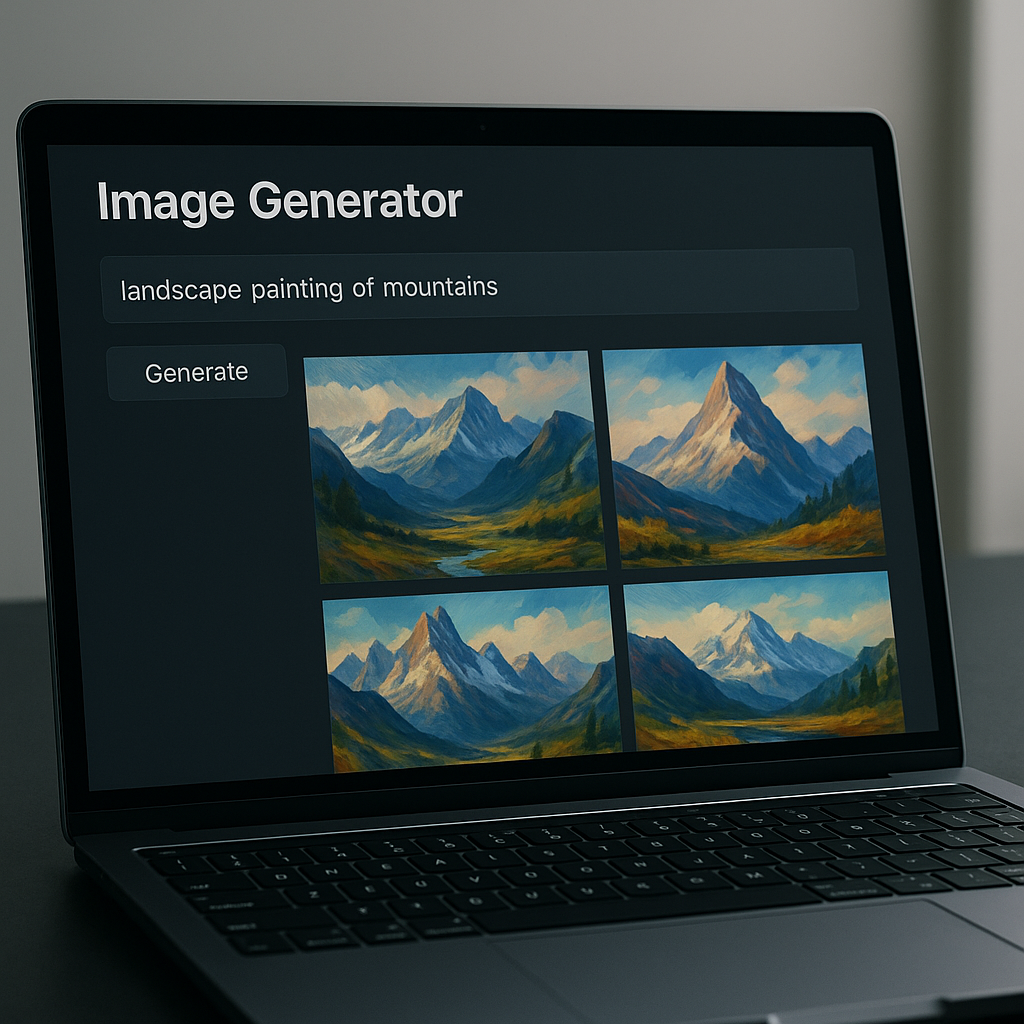
Image Generators
In recent years, image generators have surged in popularity, transforming the landscape of digital art and content creation. These innovative tools, powered by artificial intelligence (AI), enable users to create stunning visuals from simple text prompts or existing images. With advancements in machine learning and neural networks, image generators have become more sophisticated, making it easier for both professionals and amateurs to produce high-quality images with minimal effort.
At the heart of these image generators is a technology known as Generative Adversarial Networks (GANs). Developed in 2014 by Ian Goodfellow and his team, GANs consist of two neural networks—one that generates images and another that evaluates them. The generator creates images from random noise and attempts to produce visuals that are indistinguishable from real images. The discriminator, on the other hand, assesses the generated images against a dataset of real images, providing feedback that helps the generator improve over time. This adversarial process continues until the generator produces images with an impressive degree of realism.
One of the most notable examples of image generators is OpenAI's DALL-E. This system allows users to create images based on textual descriptions. For instance, a simple prompt like "an armchair in the shape of an avocado" can yield imaginative and unique visuals that might not exist in reality. DALL-E has captivated audiences with its ability to blend concepts, styles, and attributes, showcasing the potential of AI in creative expression. Its recent iteration, DALL-E 2, has further refined its capabilities, allowing for higher resolution images and improved comprehension of nuanced prompts.
Another prominent player in the field is Midjourney, which operates primarily through Discord, allowing users to generate images simply by entering commands in chat. Midjourney has become a favorite among artists and creators who appreciate its community-driven approach. Users can share their creations, seek inspiration from others, and engage in a collaborative artistic process that has redefined how art is shared and appreciated online.
Stable Diffusion, developed by Stability AI, has also emerged as a significant contender. This open-source model allows users to run image generation directly on their hardware, democratizing access to powerful AI tools. Stable Diffusion's versatility and ease of use have made it a popular choice for developers and hobbyists alike, as it opens up new avenues for customization and experimentation in image creation.
The implications of image generators extend beyond mere novelty. They are reshaping various industries, including advertising, gaming, and entertainment. Companies are leveraging these tools to create marketing materials, concept art, and even entire animation sequences with unprecedented speed and cost-effectiveness. With the ability to generate visuals on demand, businesses can reduce their reliance on traditional artists and designers, streamlining workflows and enhancing productivity.
However, the rise of image generators has not been without controversy. As these technologies become more accessible, concerns regarding copyright infringement and the authenticity of art have surfaced. The ability to create images that closely resemble the works of established artists raises ethical questions about ownership and credit. Instances of AI-generated art being sold without attribution have sparked debates about the definition of creativity and the role of human artists in an increasingly automated world.
Furthermore, there are worries about the potential misuse of image generators for creating misleading or harmful content. Deepfakes, for example, are a disturbing application of AI-generated imagery that can be used to manipulate video and photo content, posing risks to privacy and security. As technology evolves, so too must the frameworks and regulations that govern its use. Ensuring that these tools are used responsibly will be crucial in mitigating potential negative impacts.
Despite these challenges, the positive potential of image generators is undeniable. They offer exciting opportunities for creative expression, allowing individuals to explore artistic concepts without the constraints of traditional mediums. Education sectors are beginning to incorporate AI art tools into curricula, enabling students to engage with technology in innovative ways and fostering a new generation of digitally savvy creators.
The accessibility of these tools also means that diverse voices can be heard in the art world. Individuals from various backgrounds, who may not have had access to formal training or expensive software, can now express their visions through AI-generated art. This democratization of creativity could lead to a richer tapestry of artistic expression, showcasing a broader range of experiences and perspectives.
As image generators continue to evolve, the future of digital art looks promising. We may witness further advancements in AI's understanding of context, tone, and even emotion, allowing for even more nuanced and compelling imagery. Collaboration between artists and AI could become the norm, with creators using these tools to enhance their work rather than replace traditional artistic skills.
In conclusion, image generators represent a significant shift in how we create and interact with visual content. While there are valid concerns that must be addressed, the potential for innovation, creativity, and accessibility is immense. As society navigates this new landscape, the dialogue surrounding the ethical use of AI in art will be essential in shaping a future where technology and human creativity coexist harmoniously.
Recent Posts
Breakthrough in Neural Networks: How New AI Models Revolutionize Global Tech
June 16, 2026
Head-to-Head: Comparing Neural Network Models and Their Impact on AI Work Today
June 16, 2026
New Breakthrough in Image Generators Promises to Revolutionize Artistic Expressi...
June 16, 2026
Maximum Potential
Get the full experience with Pro Plan
INFORMATION