March 31, 2026
Unlock Your Creativity: How Image Generators are Revolutionizing Digital Art
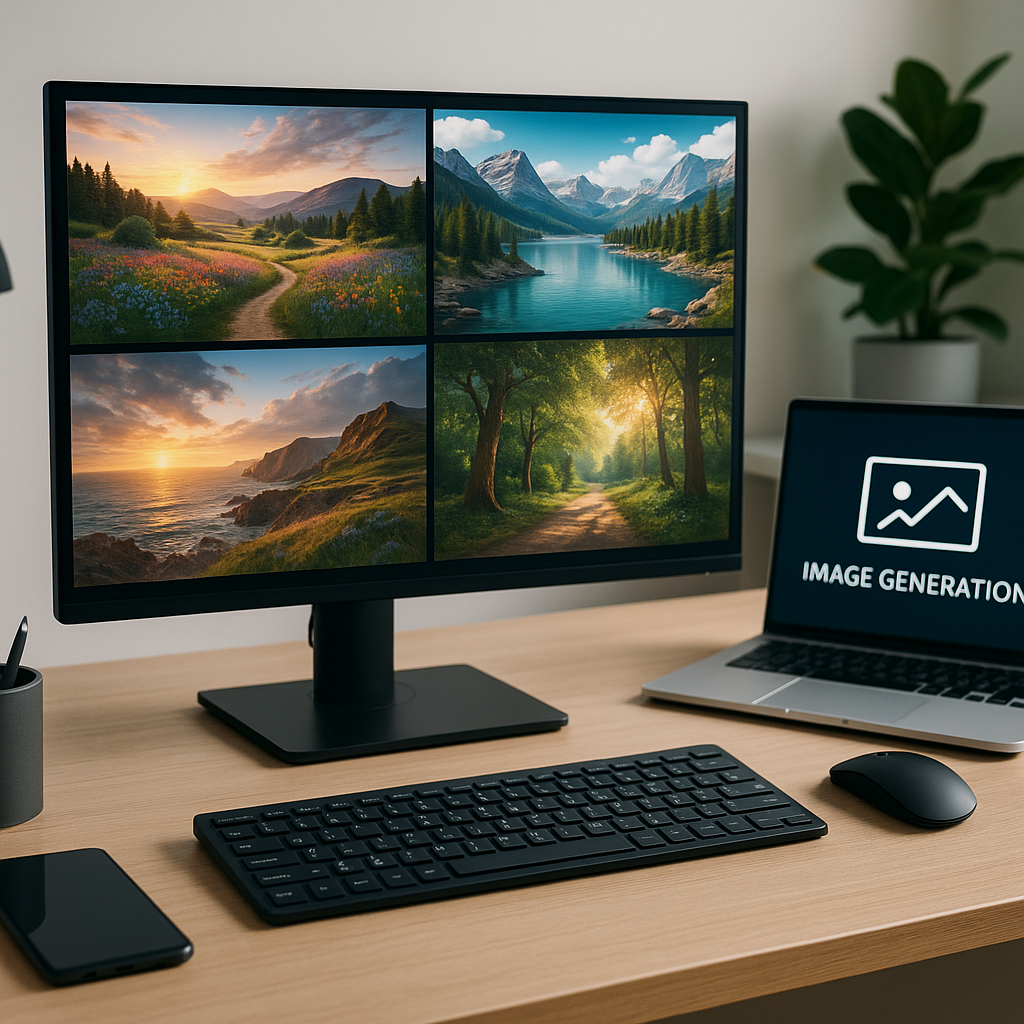
Image Generators
In recent years, image generators powered by artificial intelligence (AI) have taken the digital world by storm. These advanced systems can create realistic images from textual descriptions, transforming the way artists, designers, and marketers approach visual content creation. As the technology continues to evolve, it provokes discussions about creativity, copyright, and the future of art in an increasingly automated world.
At the core of these image generators are deep learning algorithms, particularly a type called Generative Adversarial Networks (GANs). These networks consist of two main components: a generator that creates images and a discriminator that evaluates them. The generator's aim is to produce images that are indistinguishable from real photographs, while the discriminator's job is to determine which images are real and which are fake. This back-and-forth process allows the generator to learn and improve over time, resulting in increasingly lifelike images.
The launch of OpenAI's DALL-E in early 2021 marked a significant milestone in the field of image generation. Named after the artist Salvador Dalí and the animated robot WALL-E, DALL-E could generate intricate images from simple text prompts. Users could input phrases like "an armchair in the shape of an avocado," and the system would produce several unique and creative interpretations of that description. DALL-E captured public imagination, showcasing the potential of AI to blend art and technology.
Following DALL-E, other tools like Midjourney and Stability AI's Stable Diffusion have emerged, each with unique features and capabilities. Midjourney, for example, emphasizes community-driven design by allowing users to share and collaborate on prompts and images via platforms like Discord. This collaborative aspect has fostered a vibrant community of creators who explore the limits of what these tools can produce. On the other hand, Stable Diffusion has made strides in accessibility, allowing users to run the model locally on their devices, democratizing the use of AI for anyone with a capable computer.
The implications of image generators extend beyond just artistic pursuits. In marketing and advertising, businesses have begun to leverage these tools to create visually compelling content at a fraction of the cost and time required for traditional methods. Brands can generate tailored images for product launches, social media campaigns, and digital advertisements, ensuring that they remain relevant and engaging without the need for extensive graphic design resources.
However, the rise of image generators has not been without controversy. One of the most pressing concerns is the question of copyright. As these AI systems are trained on vast datasets that often include copyrighted material, the line between inspiration and infringement becomes blurred. Artists and creators worry that their original works could be replicated without compensation or credit, leading to a potential devaluation of creative labor. Legal frameworks surrounding copyright are struggling to keep pace with the rapid advancements in AI technology, leaving many unanswered questions.
Ethical considerations also loom large in the conversation surrounding image generators. The ability of these tools to produce hyper-realistic images raises concerns about misinformation and deepfakes. As AI-generated images become more convincing, distinguishing between genuine content and fabricated visuals becomes increasingly challenging. This has far-reaching implications for journalism, politics, and public opinion, where trust in visual media plays a critical role.
Moreover, the question of authenticity arises. What does it mean for art when a machine can create works that are indistinguishable from those made by human hands? Critics argue that the essence of creativity lies in the human experience—the emotions, stories, and cultural contexts that inform artistic expression. While image generators can mimic styles and techniques, they lack the intrinsic understanding of the human condition that drives true artistry. This has led to debates about the value of human-created art versus AI-generated images in galleries and exhibitions.
Despite these concerns, many artists are embracing image generators as tools that can enhance their creative processes. Some artists use these systems to brainstorm ideas, generate concepts, or even to collaborate with the AI itself, creating a new genre of hybrid art that combines human intuition with machine learning. This synergy can lead to innovative outcomes that neither could achieve alone, fostering a new wave of creativity in the digital age.
As the technology continues to develop, the future of image generators looks promising yet uncertain. Innovations in AI are expected to enhance the quality, speed, and versatility of these tools, potentially leading to even more sophisticated applications. For instance, upcoming models may integrate with augmented reality (AR) and virtual reality (VR), allowing users to generate and manipulate images within immersive environments. Such advancements could revolutionize fields like gaming, architecture, and education, where visual representation is crucial.
In conclusion, image generators represent a fascinating intersection of art, technology, and ethics. While they offer exciting new opportunities for creativity and efficiency, they also raise significant questions about originality, ownership, and the role of human creativity in an increasingly automated world. As society navigates these challenges, it is essential for artists, technologists, and policymakers to engage in open dialogues about the implications of these tools. The future of image generation will depend not only on technological advancements but also on the ways in which we choose to incorporate and regulate them within our cultural landscape.
Recent Posts
Breakthrough in Neural Networks: How New AI Models Revolutionize Global Tech
June 16, 2026
Head-to-Head: Comparing Neural Network Models and Their Impact on AI Work Today
June 16, 2026
New Breakthrough in Image Generators Promises to Revolutionize Artistic Expressi...
June 16, 2026
Maximum Potential
Get the full experience with Pro Plan
INFORMATION