April 21, 2026
Unlock Your Creativity: How Image Generators Are Revolutionizing Visual Art
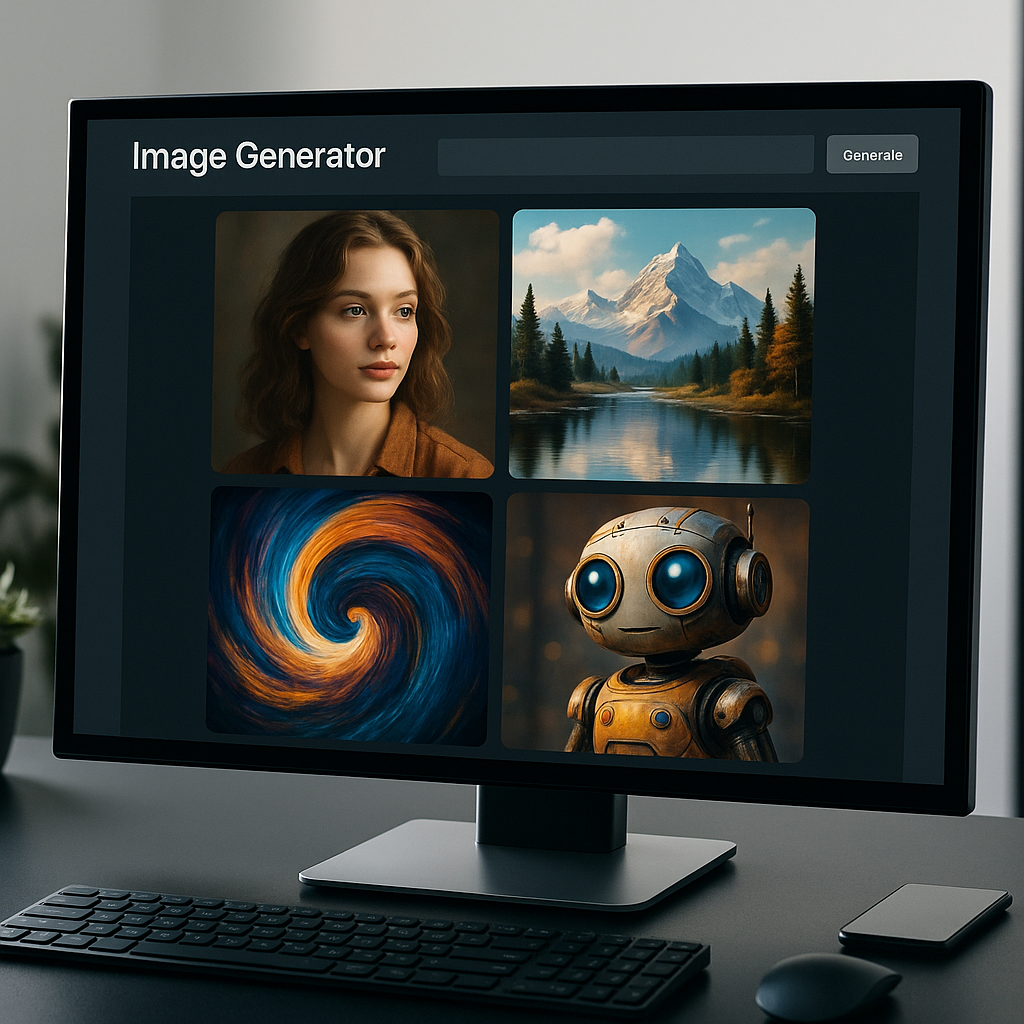
Image Generators
In recent years, the rapid evolution of artificial intelligence has led to the emergence of image generators, tools that utilize advanced algorithms to create stunning visuals from text prompts or other input data. These generators have transformed the landscape of digital art, providing both professionals and amateurs with the capability to produce high-quality images at unprecedented speeds. As the technology continues to develop, it raises important questions about creativity, copyright, and the future of artistic expression.
Image generators, often powered by neural networks, have gained widespread attention for their ability to interpret and visualize concepts described in natural language. One of the most notable models, OpenAI's DALL-E, can create unique images from intricate textual descriptions. For instance, typing "an astronaut riding a horse in a futuristic city" could yield an imaginative image that captures this whimsical scenario. This capability has opened new avenues for artists, designers, and content creators, allowing them to explore ideas that might have been difficult or time-consuming to realize through traditional methods.
The technology behind these generators is rooted in deep learning, specifically convolutional neural networks (CNNs) and transformer models. These systems learn from vast datasets of images and text, enabling them to understand the relationships between visual elements and their descriptions. As a result, they can produce images that not only reflect the input but also exhibit creativity and originality. This has led to a burgeoning interest in AI-generated art, with some pieces even fetching high prices at auctions, signaling a shift in how we value creativity and artistry.
With the rise of image generators, a new genre of digital art is emerging. Artists are increasingly using these tools to augment their creative processes, blending traditional techniques with AI-generated content. This collaboration allows for the exploration of new styles and ideas, expanding the boundaries of what can be considered art. Furthermore, the accessibility of these tools democratizes the creative process, enabling individuals without formal training to create visually compelling pieces.
However, the rise of image generators is not without controversy. A significant concern revolves around copyright and ownership of generated images. As AI systems produce art based on learned data, questions arise regarding the originality of the output. If a generator creates an image based on existing artworks, who holds the rights to that creation? This ambiguity has sparked debates among artists, legal experts, and technologists about the implications of AI on intellectual property rights.
Some artists express apprehension that AI-generated art could devalue their work, fearing that the ease of generating images might lead to an oversaturation of the market. Others argue that these tools can be seen as extensions of an artist's toolkit, providing new ways to create and innovate rather than replacing human creativity. The challenge lies in finding a balance that respects the contributions of human artists while embracing the potential of AI technology.
The ethical implications of using image generators extend beyond copyright issues. The potential for misuse of these tools is another significant concern. Image generators can be used to create misleading images or deepfakes, raising questions about their impact on misinformation and public perception. As the technology becomes more sophisticated, the potential for creating hyper-realistic images that distort reality increases, posing challenges for media literacy and trust in visual content.
Despite these challenges, the positive applications of image generators are vast. In fields such as advertising, gaming, and film, these tools can significantly streamline the design process, allowing for rapid prototyping and iteration of visual concepts. Businesses can create marketing materials or product designs with minimal resources, saving both time and money while maintaining a high standard of quality.
Moreover, image generators have found a place in education, where they can serve as valuable teaching aids. Educators can use them to illustrate complex concepts or inspire creativity among students. The ability to visualize ideas quickly can enhance learning experiences and encourage innovative thinking. In research and development, scientists can utilize these tools to visualize data and findings in a more accessible manner, bridging the gap between complex information and public understanding.
As the technology matures, the future of image generators looks promising. Ongoing advancements in machine learning and AI will likely lead to even more sophisticated models capable of producing increasingly realistic and complex images. The integration of user feedback and collaborative features could further enhance the creative process, allowing users to refine generated images more intuitively.
In conclusion, image generators represent a fascinating intersection of art and technology, challenging our perceptions of creativity and authorship in the digital age. While they offer numerous benefits, including accessibility and efficiency, they also pose significant ethical and legal questions that society must address. As we navigate this evolving landscape, it is essential to strike a balance that honors human creativity while embracing the potential of AI. The dialogue surrounding these tools will undoubtedly shape the future of artistic expression, making it an exciting time for both artists and technologists alike.
Recent Posts
Breakthrough in Neural Networks: How New AI Models Revolutionize Global Tech
June 16, 2026
Head-to-Head: Comparing Neural Network Models and Their Impact on AI Work Today
June 16, 2026
New Breakthrough in Image Generators Promises to Revolutionize Artistic Expressi...
June 16, 2026

Maximum Potential
Get the full experience with Pro Plan
INFORMATION