May 4, 2026
Unlock Your Creativity: How Image Generators Are Transforming Digital Art
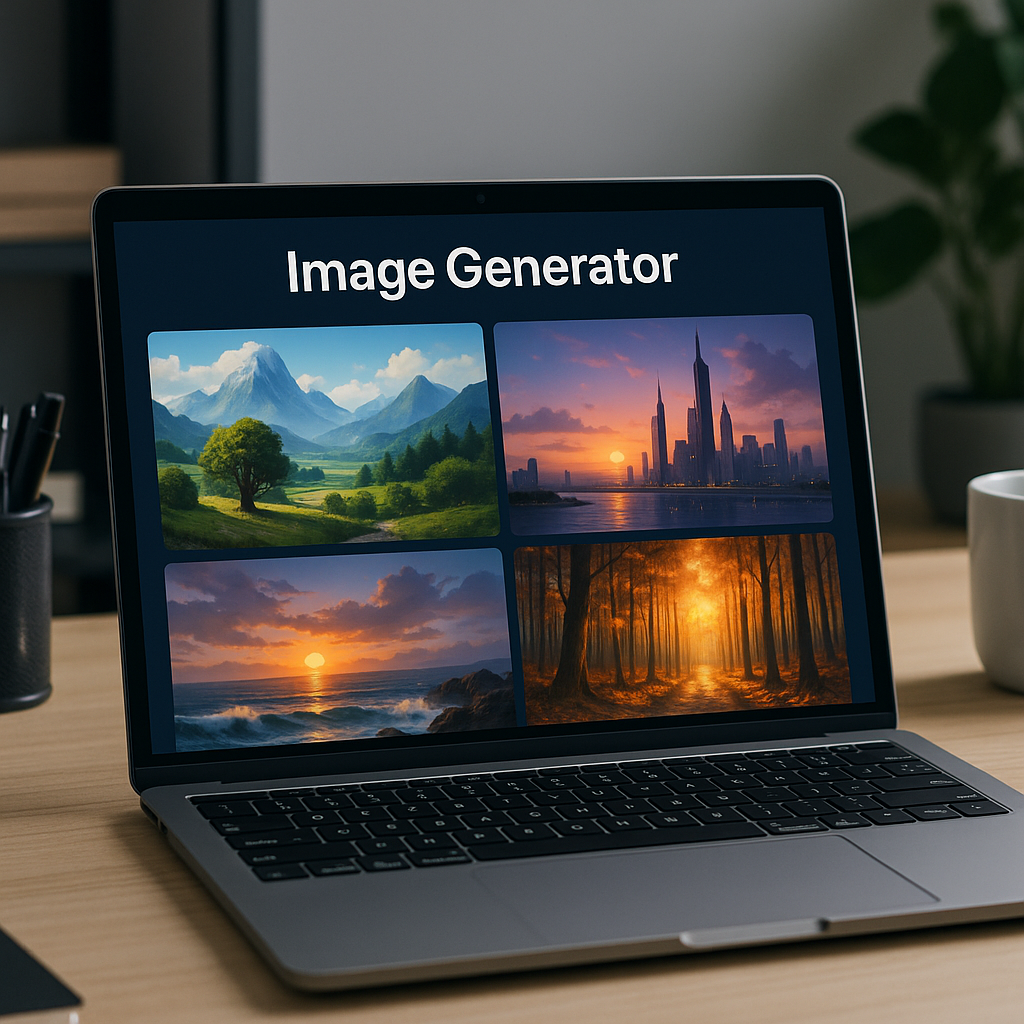
Image Generators
The rapid evolution of artificial intelligence (AI) has catalyzed a new wave of creativity, particularly through the emergence of image generators. These advanced tools, powered by deep learning algorithms, have begun to transform the way individuals and businesses create visual content. From generating artwork and illustrations to producing realistic images for marketing and advertising, the potential applications are vast and varied. As these image generators become more sophisticated, they raise important questions about creativity, copyright, and the future of digital art.
At the core of image generation technology are Generative Adversarial Networks (GANs), which consist of two neural networks—the generator and the discriminator—that work in tandem. The generator creates images based on random noise or input data, while the discriminator evaluates the authenticity of these images against a dataset of real images. Over time, the generator learns to produce increasingly realistic visuals as it receives feedback from the discriminator. This back-and-forth dynamic allows the system to refine its outputs to an astonishing degree of realism.
One of the most notable examples of this technology is OpenAI's DALL-E and its subsequent iteration, DALL-E 2. These models gained significant attention for their ability to generate detailed images from textual descriptions, allowing users to create imaginative visuals simply by describing them in words. For instance, a user could input "a two-headed flamingo wearing sunglasses," and the AI would generate a unique image matching that description. This capability not only showcases the power of AI but also democratizes creativity, enabling anyone with an idea to bring it to life visually.
Another prominent player in this field is Midjourney, a platform that has captivated artists and designers with its ability to produce stunning, surrealistic images. Midjourney emphasizes an intuitive user interface that allows users to iterate on their prompts easily, refining their visions through a process of trial and error. This user-friendly approach has made it particularly popular among creators who may not have extensive technical knowledge but wish to explore the potential of AI-generated art.
As these tools gain traction, they are becoming increasingly prevalent in creative industries. Graphic designers can leverage AI generators to brainstorm concepts or produce initial drafts, significantly accelerating the design process. Marketers are utilizing these tools to create eye-catching visuals for campaigns without the need for extensive photography or illustration work. The film and gaming industries are also exploring AI-generated visuals for character design and environmental artwork, opening new avenues for creativity and efficiency.
However, the rise of image generators is not without controversy. Concerns surrounding copyright and ownership of AI-generated content are at the forefront of discussions among artists, legal experts, and policymakers. Traditional copyright laws are not well-equipped to address the complexities of AI-generated art. Questions arise over who owns the rights to an image produced by an algorithm: the user who provided the input, the developers of the AI, or even the datasets on which the AI was trained. As these technologies advance, the need for a robust legal framework to address these concerns becomes increasingly urgent.
Moreover, there is an ongoing debate about the impact of AI-generated art on traditional artists. Some fear that these tools may devalue human creativity, flooding the market with low-cost, AI-generated visuals. On the other hand, proponents argue that AI can serve as a collaborative tool that enhances human creativity rather than replacing it. Artists can use AI as a source of inspiration or as a means to explore new styles and techniques. For many, the challenge lies in finding a balance where technology complements rather than competes with traditional artistry.
In response to these challenges, some artists are proactively engaging with AI to redefine their creative processes. By incorporating image generators into their workflows, they are able to push the boundaries of their artistic practice. This fusion of human ingenuity and machine learning has led to innovative hybrid forms of art that blend the best of both worlds. For example, artists can use AI-generated images as a foundation, layering their own techniques and personal touches to create unique pieces that reflect their individual style.
As the technology matures, the accessibility of image generators is set to increase, further democratizing art creation. Platforms like Artbreeder and Runway ML are emerging as user-friendly options for those looking to experiment with AI-generated visuals. These tools provide extensive customization options, allowing users to manipulate various aspects of the generated images, from color palettes to stylistic features. This level of interactivity empowers users to engage deeply with the creative process, fostering a sense of ownership over the final product.
Looking ahead, the future of image generators appears bright. As research in AI continues to progress, we can expect even more advanced capabilities, such as improved understanding of context and emotion in visual art. This could lead to the creation of artworks that resonate on a deeper level with audiences, elevating the role of AI in the creative landscape. Furthermore, advancements in ethical AI practices may pave the way for more transparent and responsible use of these technologies, addressing the concerns surrounding copyright and ownership.
In conclusion, image generators represent a remarkable intersection of technology and creativity, offering new possibilities for artists, designers, and content creators. While there are legitimate concerns about the implications of AI-generated art, there is also immense potential for collaboration and innovation. As we navigate this evolving landscape, it is crucial to foster discussions around ethics, ownership, and the role of human creativity in a world increasingly influenced by artificial intelligence. The journey of image generation is just beginning, and its impact on the art world will undoubtedly be profound and lasting.
Recent Posts
Breakthrough in Neural Networks: How New AI Models Revolutionize Global Tech
June 16, 2026
Head-to-Head: Comparing Neural Network Models and Their Impact on AI Work Today
June 16, 2026
New Breakthrough in Image Generators Promises to Revolutionize Artistic Expressi...
June 16, 2026
Maximum Potential
Get the full experience with Pro Plan
INFORMATION