лютий 16, 2026
Unlock Your Creativity: How Image Generators are Transforming Visual Art in 2023
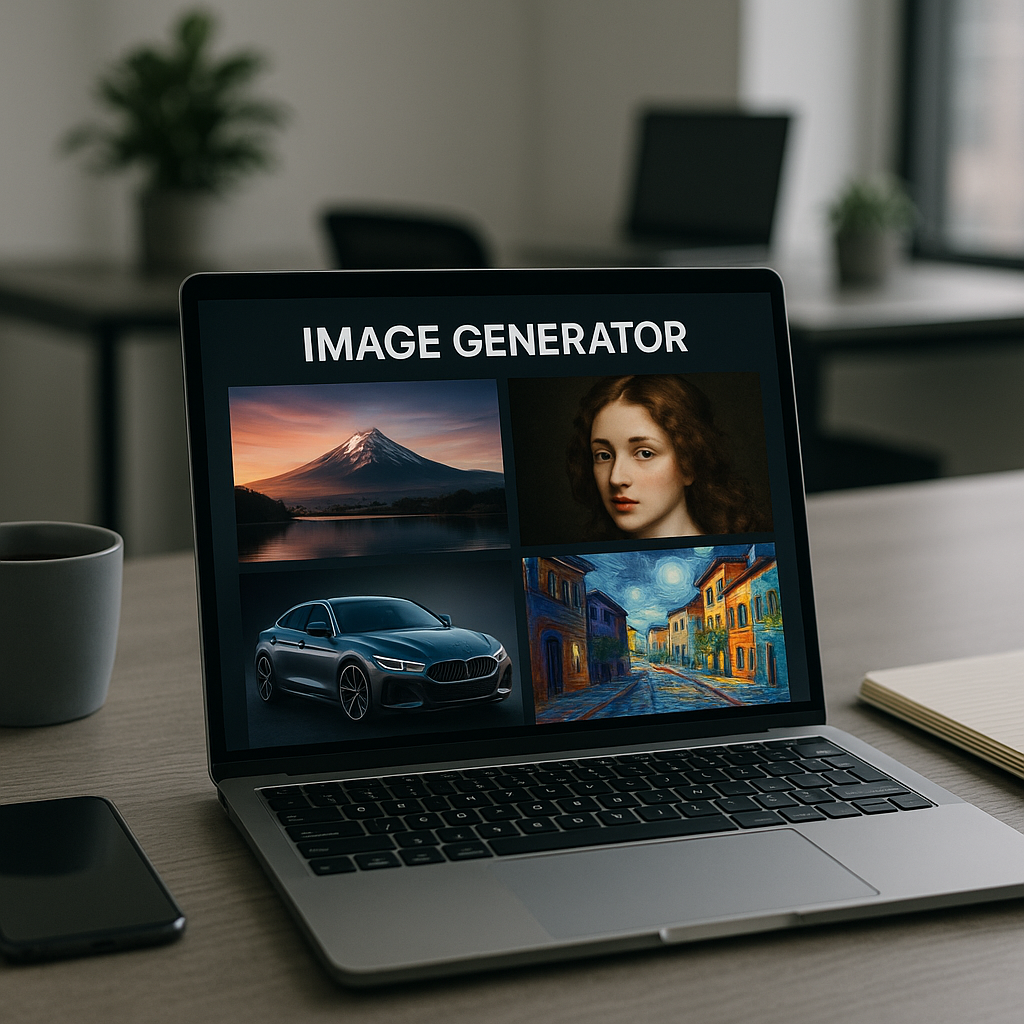
Image Generators
The rise of image generators has transformed the landscape of digital art, enabling users to create stunning visuals with just a few clicks. Powered by advanced machine learning and artificial intelligence technologies, these tools have democratized art creation, allowing individuals without formal training to generate images that rival those of professional artists. This phenomenon has not only sparked creativity among amateurs but has also raised important discussions about the implications of such technology on art, copyright, and the creative industries.
Image generators, such as DALL-E, Midjourney, and Stable Diffusion, utilise neural networks to interpret textual prompts and produce corresponding images. Users can describe in detail what they envision, and the AI can render these descriptions into visuals, ranging from landscapes and portraits to abstract art. The underlying technology relies on vast datasets of images and text, which the AI learns from, allowing it to understand and mix styles, elements, and themes effectively. This capability has led to a surge in popularity, with creators across various fields experimenting with these tools to enhance their projects.
One of the most appealing aspects of image generators is their accessibility. Traditional artistic skills often require years of practice, but with AI-driven tools, anyone can generate quality images quickly. This has particularly resonated with content creators, marketers, and small business owners who need visual assets but may lack the budget to hire professional designers. The ease of use encourages experimentation, and many users find joy in exploring different prompts, styles, and results, fostering a new wave of creativity that blends human imagination with machine learning.
Despite the enthusiasm surrounding image generators, they are not without controversy. One significant concern revolves around copyright and ownership. When an image is created using an AI tool, questions arise about who owns the rights to that image—the user who provided the prompt, the developers of the AI, or the original artists whose works formed the basis of the training data. This legal ambiguity has led to debates within the artistic community and among policymakers about the need for clearer regulations and standards.
Moreover, there are concerns about the potential for misuse. The ability to create realistic images raises ethical questions, particularly in areas such as deepfakes, propaganda, and misinformation. As the technology becomes more sophisticated, the line between genuine and artificially generated content blurs, which could lead to public trust issues and the manipulation of visual media for harmful purposes. The implications extend beyond individual artists; they also affect industries such as journalism, advertising, and social media, where the authenticity of imagery is crucial.
In response to these challenges, many AI developers are beginning to implement measures to address ethical concerns. Some platforms are introducing guidelines for acceptable use, while others are working to filter out copyrighted material from training datasets to prevent infringement. Transparency is becoming increasingly important, with calls for disclosing when an image has been generated by AI, ensuring that viewers are aware of the technology behind the visuals they encounter.
The artistic community is also grappling with the impact of image generators on traditional art forms. Some artists view AI-generated art as a threat to their livelihood, fearing that it could devalue their skills and creativity. Others see it as an opportunity to collaborate with technology, using AI as a tool to enhance their work rather than replace it. This divide highlights a broader conversation about the role of technology in creative expression and the evolving nature of art in the digital age.
Educational institutions are beginning to adapt their curricula to include training on using image generators and understanding AI's role in art. Workshops and courses that blend traditional artistic techniques with digital technologies are emerging, preparing the next generation of artists for a landscape where AI plays an integral role. This shift in education reflects a recognition that embracing technology can enhance creativity rather than diminish it.
As image generators continue to evolve, the future of digital art appears both exciting and complex. Innovations in AI technology are likely to lead to even more sophisticated image generation capabilities, allowing for increased customisation and interactivity. For instance, we may see tools that allow users to manipulate generated images in real-time or collaborate with AI to create hybrid artworks that combine human and machine creativity.
Furthermore, the integration of image generators into various sectors, such as advertising, gaming, and film, could lead to transformative changes in how content is produced and consumed. Brands may leverage AI to create unique visuals for campaigns, while game developers could use the technology to generate dynamic environments and characters, enhancing user experiences. The potential applications are vast and varied, promising to reshape industries and the way we interact with visual content.
In summary, image generators represent a significant advancement in the intersection of technology and art. They empower individuals to express themselves creatively, challenge traditional notions of authorship, and provoke important discussions about the ethical implications of AI in the creative process. As the technology continues to develop, it will be crucial for artists, developers, and society at large to navigate the opportunities and challenges it presents, ensuring that the future of art remains vibrant, diverse, and inclusive. The journey of blending human creativity with artificial intelligence is just beginning, and the possibilities are limited only by our imagination.
Recent Posts
Head-to-Head: Comparing Top AI Models in Работа с Нейросетями and Their Impact
червень 16, 2026
Debunking Myths: The Realities of Работа с Нейросетями and AI Models Today
червень 16, 2026
Unlocking Creativity: A Simple Guide to Using Image Generators for Beginners
червень 16, 2026
Maximum Potential
Отримайте повний досвід із планом Pro
ІНФОРМАЦІЯ