March 30, 2026
Unlock Your Creativity: How Image Generators Are Transforming Visual Artistry
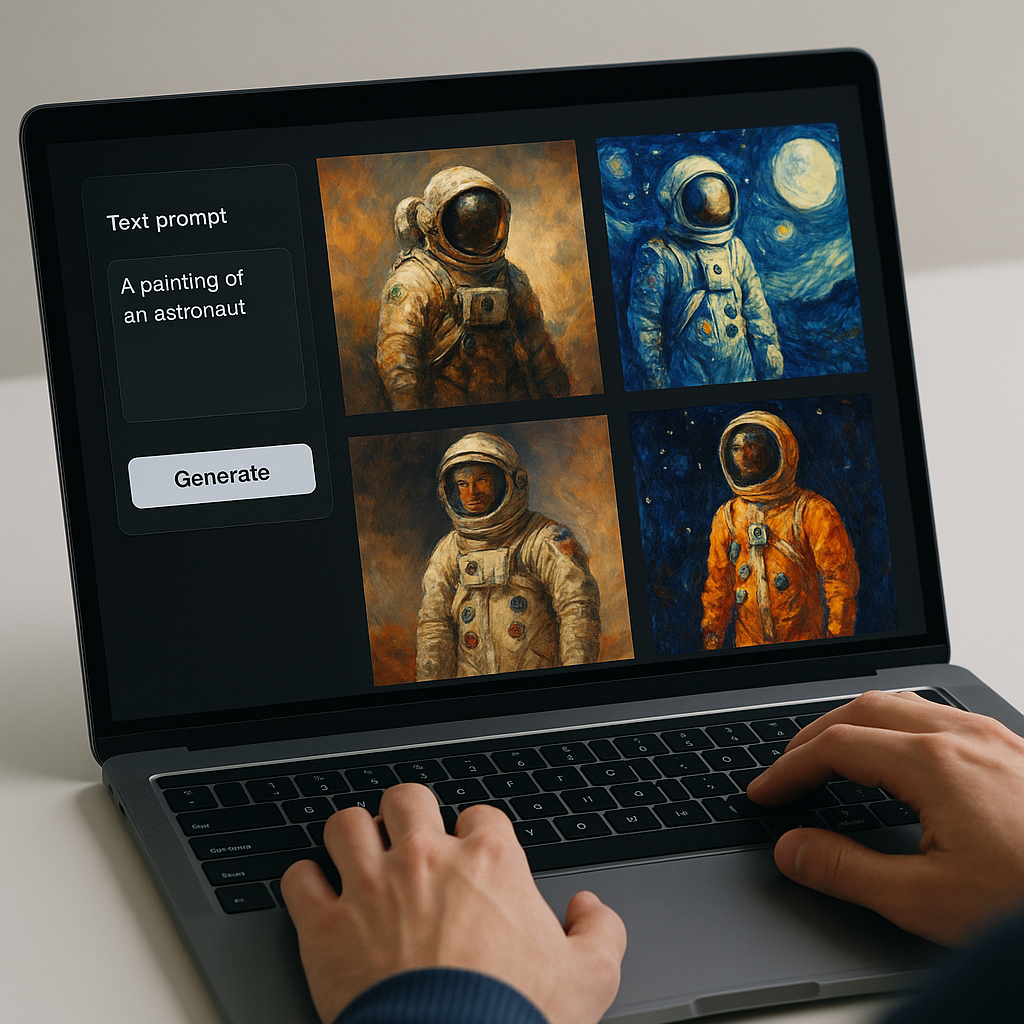
Image Generators
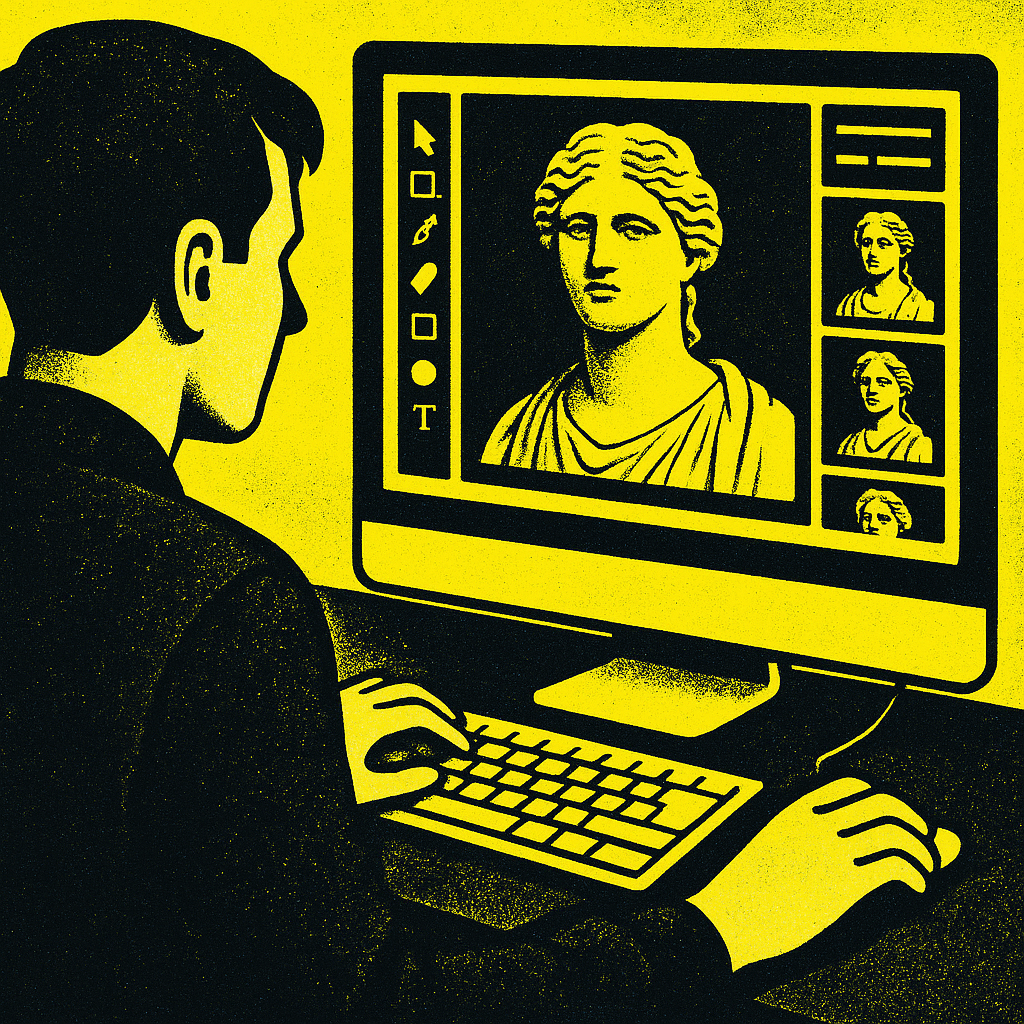
In an era defined by rapid technological advancement, image generators have emerged as a revolutionary tool, transforming the way we create and interact with visual content. These sophisticated systems, powered by artificial intelligence (AI), have taken the creative world by storm, enabling users to produce unique images from textual descriptions. The implications of this technology extend far beyond mere novelty; they are reshaping industries, democratizing art, and raising pressing ethical questions.
At the forefront of this development are models like OpenAI's DALL-E, Midjourney, and Stability AI's Stable Diffusion. These image generators utilize deep learning techniques, specifically generative adversarial networks (GANs) and diffusion models, to create stunning visuals based on user inputs. By understanding and interpreting natural language, these tools can produce images that range from the surreal to the photorealistic, often with astonishing accuracy. For instance, a user might input a phrase like "a cat wearing sunglasses on a beach," and within moments, the generator creates a vivid representation of that scenario.
The appeal of image generators lies in their accessibility. Artists, designers, and hobbyists no longer need extensive training in graphic design to bring their visions to life. This democratization of creativity has led to an explosion of content across social media platforms, where users share their generated artwork, often showcasing their unique interpretations of various prompts. The ease of use and instant gratification provided by these tools have made them wildly popular, with millions of users experimenting with their capabilities daily.
Moreover, businesses are increasingly recognizing the potential of image generators to streamline their creative processes. Marketing teams, for instance, can quickly produce visuals for campaigns without relying on traditional graphic design methods. This not only saves time but also reduces costs associated with hiring professional designers. Furthermore, companies can tailor images to meet specific branding needs in real-time, allowing for a level of personalization previously unattainable in mass marketing.
However, the rise of image generators also brings a host of challenges, particularly in the realm of copyright and intellectual property. As these tools can create images that closely resemble existing works, questions arise regarding ownership and originality. If a user prompts a generator to create an artwork similar to a famous painting, who holds the rights to that new image? The debate is ongoing, with legal experts and policymakers scrambling to establish guidelines that can accommodate this rapidly evolving landscape.
Ethical considerations extend beyond copyright issues. The potential for misuse of image generators raises significant concerns. For example, the technology can be exploited to create deepfakes—manipulated images or videos that can mislead viewers or damage reputations. Additionally, the ability to generate hyper-realistic images could contribute to the spread of misinformation, particularly in a world already grappling with challenges related to fake news and propaganda. This makes it crucial for developers to implement safeguards and for users to approach generated content with a critical eye.
Furthermore, the role of AI in creative processes prompts a philosophical inquiry about the nature of art itself. If machines can create art, what does that mean for human creativity? Some artists embrace collaboration with AI, viewing it as a tool that can enhance their work rather than replace it. This perspective encourages a symbiotic relationship between human and machine, where each contributes to the creative process in meaningful ways. On the other hand, some purists argue that art should be a distinctly human endeavor, rooted in emotion, experience, and intention—qualities that machines cannot replicate.
As image generators continue to evolve, advancements in technology are already paving the way for even more sophisticated capabilities. Future iterations may incorporate enhanced understanding of context, style, and user preferences, leading to even more tailored outcomes. Additionally, the integration of augmented reality (AR) and virtual reality (VR) could further elevate the experiences users have with generated images, allowing for immersive interactions that blur the lines between digital and physical realms.
In response to the growing demand for responsible usage, several organizations and developers are beginning to prioritize ethical AI development. This includes implementing transparency about how models are trained, the datasets used, and the potential biases inherent in those datasets. By fostering a culture of accountability, the industry aims to mitigate risks associated with image generation while promoting responsible creativity.
In conclusion, image generators represent a significant leap forward in technology, offering unprecedented opportunities for creativity and innovation. They have the potential to democratize art, streamline business processes, and inspire new forms of expression. However, as with any powerful tool, they come with challenges that society must confront, including legal, ethical, and philosophical dilemmas. As we navigate this new landscape, it is essential to strike a balance between harnessing the benefits of image generators and addressing the responsibilities that come with their use. The conversation surrounding this technology is just beginning, and its future will undoubtedly shape the creative world in ways we have yet to fully comprehend.
Recent Posts
Breakthrough in Neural Networks: How New AI Models Revolutionize Global Tech
June 16, 2026
Head-to-Head: Comparing Neural Network Models and Their Impact on AI Work Today
June 16, 2026
New Breakthrough in Image Generators Promises to Revolutionize Artistic Expressi...
June 16, 2026

Maximum Potential
Get the full experience with Pro Plan
INFORMATION