May 7, 2026
Unlock Your Creativity: How Image Generators Are Transforming Visual Content
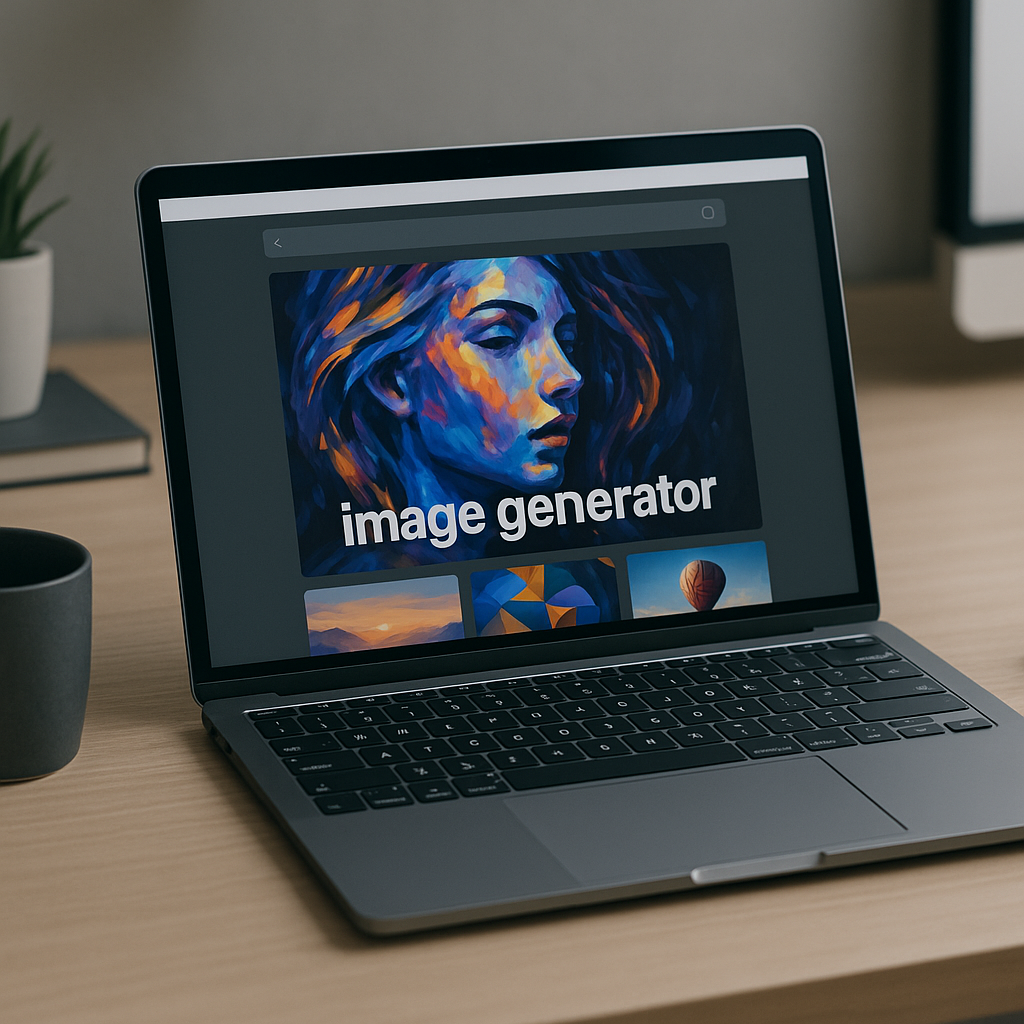
Image Generators
The rapid evolution of technology has sparked a revolution in the creative industry, particularly through the emergence of image generators powered by artificial intelligence. These sophisticated tools utilize advanced algorithms and machine learning techniques to produce stunning visuals that can range from realistic photographs to abstract art. As they become more prevalent, image generators are reshaping the way artists, marketers, and everyday users approach visual content creation.
At the core of image generators lies a technology known as Generative Adversarial Networks (GANs). This framework consists of two neural networks – the generator and the discriminator – that work in tandem to create images. The generator creates new images based on input data, while the discriminator evaluates these images against a dataset of real images to determine their authenticity. This process of continuous feedback allows GANs to improve over time, resulting in increasingly realistic and varied outputs.
One of the most popular image generators to emerge in recent years is OpenAI's DALL-E, which gained widespread attention for its ability to create detailed and imaginative images from textual descriptions. Users simply input a phrase, and DALL-E transforms it into a unique visual representation. This capability not only showcases the potential of AI in artistic endeavors but also highlights the interplay between language and visual representation, opening new avenues for creativity.
Another notable contender in the field is Midjourney, which has captivated users with its ability to generate visually striking graphics and illustrations. Midjourney caters to both amateur creators and professional designers, allowing them to experiment with styles and concepts that might have previously been time-consuming or technically challenging to produce. The ease of use and accessibility of these platforms have democratized art creation, enabling individuals without formal training to express their creativity.
As image generators become more advanced, they are finding applications across various industries. In marketing, for instance, brands are leveraging these tools to create eye-catching visuals for social media campaigns, advertisements, and product designs. The ability to generate images quickly and at scale allows companies to remain agile in a fast-paced digital landscape, responding to trends and consumer demands with unprecedented efficiency.
In the realm of entertainment, content creators are harnessing image generators to develop characters, backdrops, and even entire scenes for films and video games. This innovation not only streamlines the creative process but also invites a new level of collaborative storytelling, where AI-generated visuals can inspire human creativity. Filmmakers and game designers can experiment with diverse aesthetics and settings, enriching the narrative experience for audiences.
Education also stands to benefit from image generators, as they provide a dynamic way to engage students in learning. Teachers can use AI-generated visuals to illustrate complex concepts, making subjects more relatable and interesting. Furthermore, students can explore their creativity using these tools, experimenting with design and art in ways that were previously limited by traditional resources.
However, as with any technological advancement, the rise of image generators raises ethical questions and concerns. One primary issue is the potential for misuse, particularly regarding copyright and intellectual property. The ability to create images that closely resemble existing works poses challenges for artists and creators who rely on their originality for income. The fine line between inspiration and imitation becomes blurred, leading to fears of devaluation of artistic labor.
Additionally, the potential for creating deepfakes and misleading visuals presents significant risks. Image generators can produce hyper-realistic images that can be manipulated for malicious purposes, such as misinformation campaigns or defamation. This growing concern has prompted discussions around the need for regulations and ethical guidelines to govern the use of AI-generated content.
Another consideration is the environmental impact of running powerful AI models. Training image generators requires substantial computational resources, leading to energy consumption and carbon emissions. As the demand for these tools increases, the technology community is called to develop more sustainable practices and seek alternatives that minimize the ecological footprint of AI technology.
Despite these challenges, the future of image generators looks promising. Ongoing advancements in AI technology will likely enhance the capabilities of these tools, making them even more versatile and user-friendly. Researchers are continually working to improve the underlying algorithms, aiming for better quality outputs and broader applications across various fields.
The rise of image generators also invites a re-examination of the role of the artist in a world increasingly influenced by artificial intelligence. Rather than replacing human creativity, these tools can serve as collaborators, providing artists with new materials and inspirations while allowing them to maintain their unique voice and vision. The interplay between human creativity and AI-generated content could lead to a new era of artistic expression, where boundaries are pushed, and new forms of art emerge.
In conclusion, image generators represent a significant leap forward in the intersection of technology and creativity. As they continue to evolve and integrate into various sectors, they hold the potential to transform how we create and interact with visual content. While challenges remain, the opportunities for innovation and exploration are vast, paving the way toward a future where artificial intelligence and human creativity coalesce in novel and exciting ways.
Recent Posts
Breakthrough in Neural Networks: How New AI Models Revolutionize Global Tech
June 16, 2026
Head-to-Head: Comparing Neural Network Models and Their Impact on AI Work Today
June 16, 2026
New Breakthrough in Image Generators Promises to Revolutionize Artistic Expressi...
June 16, 2026

Maximum Potential
Get the full experience with Pro Plan
INFORMATION