April 25, 2026
Unlock Your Creativity: The Rise of AI Image Generators Revolutionizing Art
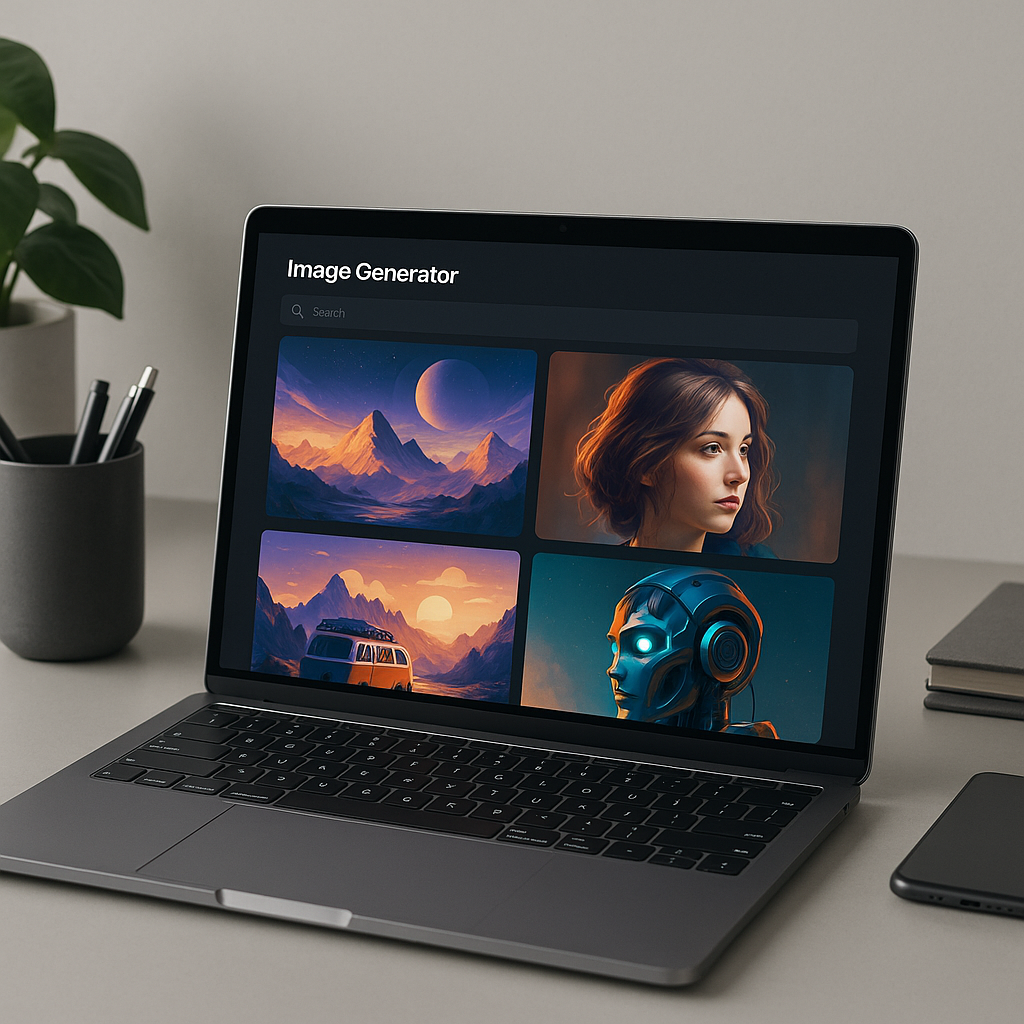
Image Generators
In recent years, image generators have increasingly captured the public's imagination, transforming the way we create and interact with visual content. These sophisticated tools leverage artificial intelligence (AI) and deep learning algorithms to produce images based on textual descriptions, ushering in a new era of creativity and innovation. From artists and designers to marketers and educators, the applications of image generation technology are vast and varied, leading to both excitement and concern over its implications.
At the heart of this technological revolution are Generative Adversarial Networks (GANs), a class of AI that consists of two neural networks—one that generates images and another that evaluates their authenticity. The generator creates images from random noise, while the discriminator assesses whether the image is real or synthetic. Through this adversarial process, the generator improves its output until it can produce images that are almost indistinguishable from real photos. This groundbreaking approach has enabled the development of image generators that can create realistic portraits, landscapes, and even fantastical scenes.
One of the most popular applications of image generators is in the realm of digital art. Artists are finding new ways to express their creativity by using AI tools to augment their work. For example, platforms such as DALL-E and Midjourney allow users to input descriptive text prompts, which the AI then transforms into striking visuals. These tools not only empower artists to experiment with styles and concepts that they may not have otherwise considered but also democratize art creation, enabling individuals without formal training to produce compelling images.
Moreover, image generators are increasingly being utilized in marketing and advertising. Brands can quickly create tailored visuals for campaigns, saving time and resources while enhancing the personalization of their outreach. For instance, a company launching a new product can input specific attributes into an image generator to create custom graphics that resonate with its target audience. This capability allows businesses to stay agile in a fast-paced market, where visual content plays a crucial role in capturing consumer attention.
In the realm of education, image generators are becoming valuable tools for teachers and students alike. Educators can use these technologies to create custom illustrations, infographics, and visual aids that enhance learning experiences. Students, on the other hand, can leverage image generators for creative projects, enabling them to visualize complex concepts and ideas in compelling ways. This interactive approach to learning fosters engagement and can lead to more effective knowledge retention.
Despite the myriad benefits of image generators, the technology is not without its challenges and ethical considerations. One prominent concern is the potential for misuse, particularly in the creation of deepfakes—hyper-realistic fake images or videos that can be used to deceive viewers. The ease with which someone can generate lifelike images raises questions about authenticity and trust in visual media. As these technologies become more accessible, the risks of misinformation and manipulation grow, prompting calls for regulations and guidelines to govern their use.
Additionally, the rise of AI-generated art has sparked debates about copyright and ownership. When an image is created by an algorithm, who holds the rights to that image? This ambiguity poses significant challenges for artists and creators, as existing intellectual property laws grapple with the implications of AI-generated content. As the landscape evolves, it will be essential for legal frameworks to adapt to ensure that creators' rights are protected while also fostering innovation in the field.
In response to these concerns, many companies and researchers are actively working on developing ethical guidelines for the use of image generators. Transparency in the use of AI-generated content is a key focus, with advocates urging creators to disclose when an image has been produced with the assistance of AI. Furthermore, efforts are underway to improve the technology itself, making it more difficult to generate misleading or harmful content. These initiatives aim to strike a balance between harnessing the benefits of image generation while mitigating its risks.
As we look to the future, the potential of image generators seems boundless. The integration of AI into creative processes is likely to continue expanding, leading to advancements that we can only begin to imagine. Innovations such as real-time image generation, where users could see their prompts transformed into visuals instantaneously, could revolutionize fields like gaming and virtual reality. Furthermore, as machine learning continues to evolve, we can expect even greater improvements in the quality, diversity, and realism of generated images.
In conclusion, image generators represent a fascinating intersection of technology and creativity, offering a wealth of opportunities for artists, businesses, and educators. While the advantages of this technology are undeniable, it is crucial to remain vigilant about its ethical implications and potential for misuse. As society grapples with these challenges, the discourse surrounding image generation will likely grow in importance, shaping the future of visual content and its role in our lives. The journey of AI in creative fields is just beginning, and its trajectory will undoubtedly influence how we think about art, authenticity, and the very nature of creation itself.
Recent Posts
Breakthrough in Neural Networks: How New AI Models Revolutionize Global Tech
June 16, 2026
Head-to-Head: Comparing Neural Network Models and Their Impact on AI Work Today
June 16, 2026
New Breakthrough in Image Generators Promises to Revolutionize Artistic Expressi...
June 16, 2026

Maximum Potential
Get the full experience with Pro Plan
INFORMATION