April 5, 2026
Unlock Your Creativity: The Rise of AI Image Generators Transforming Art Today
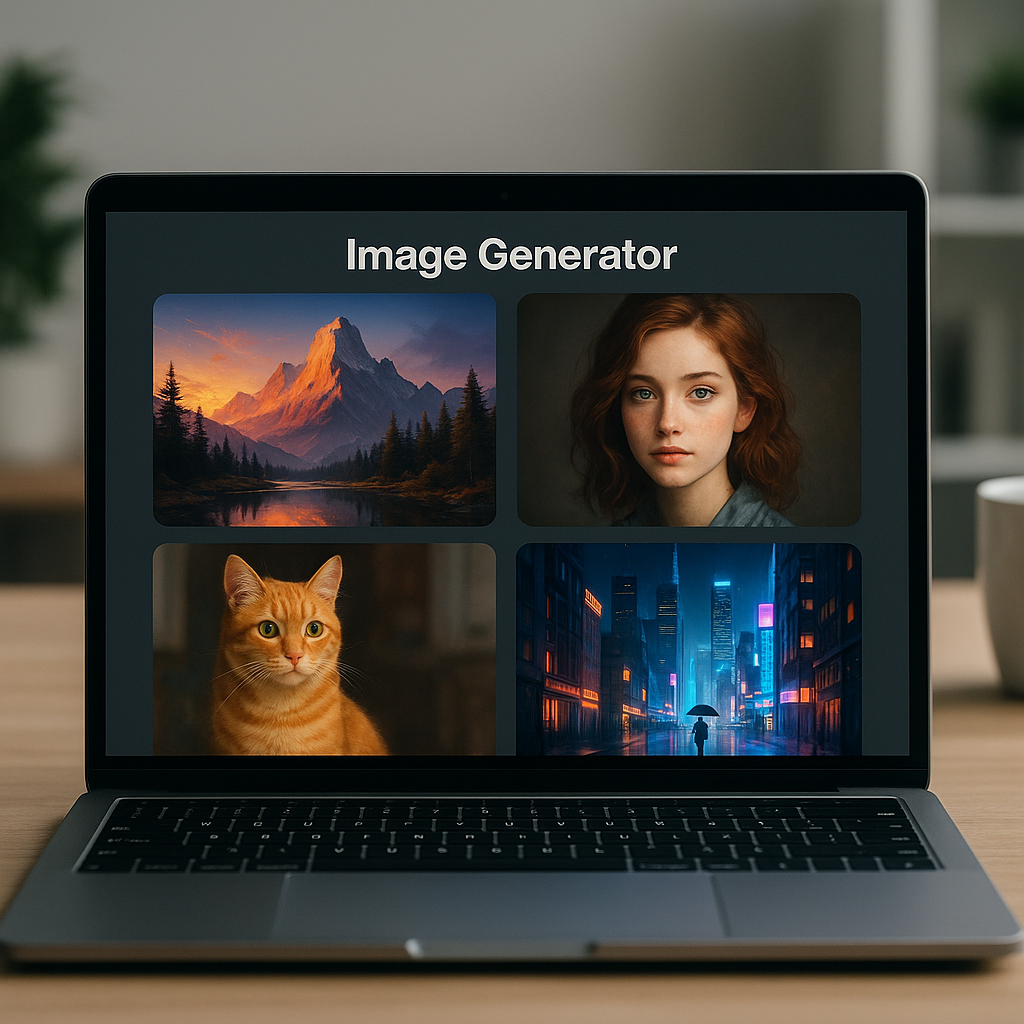
Image Generators
In recent years, image generators have surged into the spotlight, transforming the landscape of digital art and content creation. These innovative tools, powered by artificial intelligence (AI), allow users to create unique images from scratch or manipulate existing visuals with unprecedented ease and speed. As technology advances, image generators are reshaping the way artists, marketers, and everyday users approach creativity and design.
At the core of these image generators lie sophisticated algorithms and machine learning models, often based on neural networks. These systems are trained on vast datasets of images and associated metadata, enabling them to recognize patterns and styles. One of the most notable developments in this field is the Generative Adversarial Network (GAN), which consists of two components—a generator and a discriminator. The generator creates images, while the discriminator evaluates them, providing feedback that helps the generator improve its output. This iterative process results in increasingly realistic and varied images.
Among the most popular image generators are platforms such as OpenAI's DALL-E, Midjourney, and Stable Diffusion. Each of these tools offers unique features and capabilities, appealing to different audiences. DALL-E, for instance, allows users to input descriptive text prompts, generating images that reflect the given description. This functionality has sparked a wave of creativity, enabling users to visualize concepts that may have previously existed only in their imaginations.
Midjourney, on the other hand, has gained traction for its user-friendly interface and ability to produce stylistically cohesive images. It allows users to create artwork by blending various styles and elements, resulting in visually stunning compositions that can serve a multitude of purposes, from personal projects to professional marketing materials. Stable Diffusion stands out for its open-source nature, giving developers and artists the freedom to customize and adapt the technology to suit their needs.
The implications of these tools extend far beyond the realm of artistic expression. In the advertising and marketing sectors, image generators are revolutionizing content creation. Brands can now produce high-quality images tailored to specific campaigns without the need for extensive photography sessions or graphic design expertise. This not only streamlines the creative process but also reduces costs, making it accessible for smaller businesses and startups to compete on a larger scale.
Moreover, the rise of image generators has democratized art in ways previously unimaginable. Individuals without formal training in graphic design can now create visually appealing images with just a few clicks. This shift has led to a surge in user-generated content, with social media platforms flooded with unique visuals created using AI tools. As a result, the barriers to entry for aspiring artists have been significantly lowered, fostering a more inclusive creative community.
However, the proliferation of image generators has not come without challenges. One of the most pressing concerns is the ethical implications surrounding the use of AI in art. Questions arise about copyright, ownership, and the potential for misuse. For instance, if an image generator creates a piece of art that closely resembles the work of a known artist, who holds the rights to that image? These dilemmas have prompted calls for clearer regulations and guidelines to navigate the evolving landscape of AI-generated art.
Furthermore, as these technologies become more accessible, there is a growing concern about the potential for disinformation. The ability to create hyper-realistic images raises the stakes for misinformation campaigns, as it becomes increasingly difficult for the average person to discern between real and fabricated visuals. This phenomenon has significant implications for journalism, politics, and public trust in visual media.
Despite these challenges, the potential of image generators continues to be explored and expanded. In the field of education, for example, these tools can enhance learning experiences by providing students with the ability to visualize complex concepts. Art educators are incorporating AI-generated images into their curricula, encouraging students to experiment with blending traditional techniques and modern technology.
The creative possibilities with image generators are virtually limitless. Artists are using these tools to push the boundaries of their work, blending AI-generated elements with traditional mediums to create hybrid pieces that challenge the definition of authorship and creativity. This intersection of technology and art is leading to new movements and styles, as creators explore the relationship between human input and machine-generated output.
As image generators continue to evolve, so too will their applications across various industries. In film and gaming, for instance, concept artists are utilizing these tools to quickly generate visual ideas, streamlining the pre-production process. The fashion industry is also taking notice, with designers using AI-generated images to conceptualize new collections and marketing campaigns, allowing for rapid iterations and innovative designs.
Looking ahead, the future of image generators appears bright. With advancements in AI and machine learning, the quality and capabilities of these tools are expected to improve significantly. As developers work to create more intuitive interfaces and better algorithms, the accessibility of image generation will continue to expand, inviting even more users into the fold of digital creativity.
In conclusion, image generators represent a remarkable fusion of technology and art, offering exciting possibilities for creators of all backgrounds. While challenges remain concerning ethics, ownership, and misinformation, the benefits of these tools cannot be overlooked. As society grapples with the implications of AI-generated content, the ongoing dialogue will shape the future of creativity in profound ways. As we embrace this new era of digital art, the potential for innovation and expression is limited only by our imaginations.
Recent Posts
Breakthrough in Neural Networks: How New AI Models Revolutionize Global Tech
June 16, 2026
Head-to-Head: Comparing Neural Network Models and Their Impact on AI Work Today
June 16, 2026
New Breakthrough in Image Generators Promises to Revolutionize Artistic Expressi...
June 16, 2026
Maximum Potential
Get the full experience with Pro Plan
INFORMATION